


For the most part, produced using sodium chloride and other substance compounds, salt is found in the seawater and in different types of rock formations. Salt is a natural mineral found almost everywhere on the planet. From the caverns of Pakistan to the beaches in India, salt is omnipresent.
One of the most sought after substances on the planet, salt is not only used for enhancing the flavour of any food, but it is also a crucial element for the body’s and mind’s development. Once, it was so wanted in the human race that it was given as a salary to slaves and workers during the Roman civilization.
Salt is generally utilized for seasoning food to improve its taste and flavor. It is similarly brilliant for preserving food and cleaning because of its antibacterial properties. Various sorts of salt can affect the food distinctively. Hence, choosing the right type of salt for usage is indeed significant. One thing that is vital to note is that the size of the salt grain will affect the strength of the flavour and how much salt is needed in the preparation. Therefore one salt type must not be replaced with another as it will directly impact the end result. Now let’s look at the various types of salts along with their uses and benefits:


Kosher salt
Kosher salt is known for its capacity to draw out the blood from a piece of meat, which is a cycle known as koshering. It is utilized in conventional Jewish food, which requires the blood from meat to be separated prior to being cooked or relieved. In light of its coarse construction, kosher salt is the most proficient of the various sorts of salts for the koshering methodology.
Today, it is the most famous salt among practically all culinary experts in the business. The flexibility of legitimate salt reaches out to pretty much every side of the culinary world: cooking, baking, finishing, and
treatment. Additionally, due to its coarser grains, this salt adds more articulated eruptions of flavour to the dishes, and it’s simpler for sprinkling over the food. Because of the absence of added substances typically found in table salt, kosher salt misses the mark on metallic or unpleasant tasting notes, offering a cleaner and exquisite flavour.


Sea salt
Sea salt is obtained from evaporated ocean water. It is normally acquired in dry environments where there are coves and lakes. Huge salt gems are delivered when the water dissipates from the salt, making the lightest and flakiest sort of salt. The widest assortment of salt shadings is found in sea salt. This sort of salt is viewed as a connoisseur salt and is well known for its applications in a wide range of specialities.
Sea salt has different advantages as well, such as:
- It holds the minerals and supplements from the sea that are lost in refined salts.
- Gives food a more strong mouthfeel.
- Makes greater distinctions of flavour in the food.
- Contains zinc, potassium, and iodine, bringing about a more intricate flavour with minerals.
Smoked salt
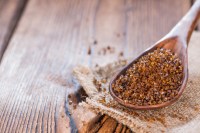
This type of salt is gradually smoked over a fire for fourteen days, giving the meats and vegetables a smoky and woody flavour. Each smoked sea salt is normally unique, relying upon the kind of wood it is smoked with, like hickory, oak, mesquite, and birch.

Hawaiian salt
Originally used to religiously bless tools, homes, and kayaks on the Hawaiian Islands, this salt is currently used to add a last little detail and strong flavour to fish and meat preparations and conventional island dishes like jab and pipikaula. The coarse grains offer a marginally briny type of flavour. One variant of this salt is called magma salt, a sea salt blended in with charcoal and gives a dark tone and a slight touch of sulfur flavour, also known as Hawaiian dark salt.

Celtic salt
Celtic salt is removed from the mineral-rich seawater on the seaside shores of France. It is reaped utilizing the customary Celtic techniques for raking the salt from the lower part of tide pools after it has sunk and gathered minerals. This somewhat clammy craftsman salt holds a saline taste with a mild tint that is ideal for cooking with or serving meats and fish.

Rock salt
Rock salt is a salt that has been removed from underground salt mines through the most common way of mining and squashed afterwards for usage in preparing food. It tends to be found under the rough layers of the earth’s surface and is deductively known as halite. Rock salt has the following benefits:
- It contains more minerals and components found in the human body.
- It adds a dash when used for decorative purposes for rimming drink glasses.
- It gives a flavorful taste and extra surface on bread and other food products.
- It is utilized to fix and eliminate poisons from meats.

Himalayan Pink Salt
It is a variety of salt with a soft hue of pink. Found near the Himalayan
Mountains this salt is well-known for being a healthier and a natural option to common table salt because it contains one-third of sodium per serving compared to our regular table salt. It also contains small quantities of essential minerals such as zinc, calcium, iron, magnesium, and potassium.
This salt has the following benefits:
- It helps the body detoxify.
- It lowers blood pressure.
- It boosts digestion.
- Unlike other salts, it helps hydration.
- Soothes sore muscles.
- Though sourced like rock salt, Himalayan pink salt is technically a sea salt.
- Mix Himalayan salt in coconut or olive oil to exfoliate; it leaves you with a flawless and hydrated complexion.
- Himalayan Pink salt lamps are known to purify indoor air. This reduces moulds and allergies.


Black Salt
Black salt, also called Kala namak in Indian kitchens, has a unique flavour that enhances the taste of the dishes, especially chaats. This salt is popular because of the several health benefits it offers. Though it is
called black salt, the colour of the salt is pinkish-brown.
Its health benefits are:
- Black salt has a lower sodium content as compared to regular salt.
- Black salt also contains lesser flavourings than table salt. Pink and black salt is naturally sourced and packed with minerals but lacks iodine which prevents thyroid-related diseases.
- Hence, it might be healthier for people with high blood pressure or for those who want to reduce their sodium intake.
- Black salt has antioxidant properties.
- It also contains essential minerals essential for our healthy well-being.
- Black salt stimulates bile production. It also helps to control bloating and heartburn.