

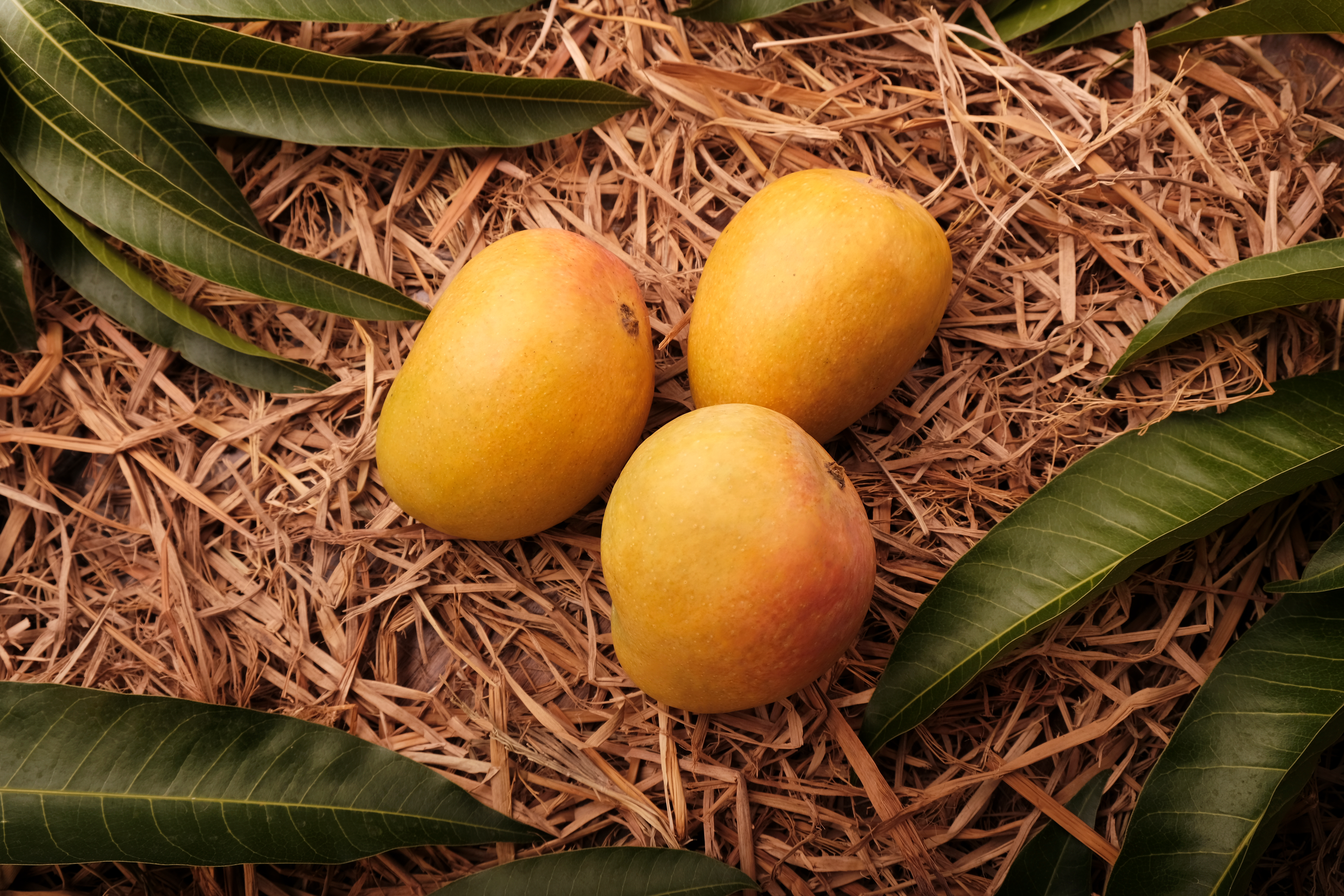
Ever wondered, how and why the ‘Alphonso Mango’ got its name? Given the fact that India is a land of a variety of languages, it is rather peculiar that this mango variety got a rather Westernized name.
The history behind it is as follows, the Alphonso mango gets its name from a rather unique way, it is named after a Portuguese Military General! His name was Afonso de Albuquerque, he played a vital role in establishing Portuguese colonies in India, in the Konkan area of Maharashtra (where Ratnagiri is located) as well as Goa.
It was the Portuguese who introduced the concept of ‘mango grafting’ that gave birth to the creation of a wonder like the Alphonso Mango. The method included grafting varieties of mangoes with prominent features like size, sweetness of fruit, colour etc. and the varieties were grafted together, giving rise to mangoes that included all the prominent features of the initial two variants. These were then named as ‘Alphonso mangoes’.

The Konkan area of Maharashtra including Ratnagiri, Goa and some parts of southern India like Tamil Nadu, Kerala and Karnataka were introduced to this majestic fruit.
Among all the places where these Alphonso mangoes were introduced, they grew best and flourished most in Ratnagiri and then these mangoes also grew to be known as ‘Ratnagiri Mangoes’ or Hapoos as they are called locally.
Why Are Ratnagiri Mangoes So Special?
Ratnagiri mangoes which are also locally known as ‘Hapoos” gained immense popularity for being one of the best mangoes in India. It is considered to be superior as compared to other varieties of mangoes available in India, because of several factors. Starting from the skin, the skin of Ratnagiri mango is delicious ripe yellow-coloured and much thinner, so much so that it can be easily peeled even by hand. The size of the fruit is voluptuous and full. Each mango weighs anything around 200-300g, making it surprisingly larger than other variants. They have a distinct aroma, that will emanate through the room they are stored in. The fruit is a class apart, it has an intense rich and sweet taste as compared to any mango in the country or even in the world. This is because of the high levels of natural chemicals found in the Ratnagiri mangoes, known as myrcene, a terpenoid. The fruit is far fleshier and devoid of threads or fibres seen commonly in many varieties and has a perfect firm consistency. Even the seed is comparatively smaller, giving more scope for the fruit to be fleshy.
It seems like a dessert, like firm pannacotta! The Ratnagiri mangoes are unmatched and far superior to any of their counterparts.
Not to mention the several health benefits that these mangoes provide, like rich in iron, Vitamin A, Vitamin C, Vitamin K, potassium, magnesium and many more.
How Did Ratnagiri Become the Most Popular Place for Mangoes?
Alphonso mangoes were introduced and grown in many parts of India, but it is Ratnagiri mangoes that are known to be superior to all others.
Obviously,, being the best, the price of these mangoes is slightly on the higher side, as compared to others.
Some salient features that make Ratnagiri the heartland of mangoes are because, these mangoes are grown naturally and organically, without the use of any pesticides, insecticides or any harmful treatments like pre-fulling them. These mangoes are free of cultures or ethylene gas treatment as well. The fruit is completely natural and devoid of any harmful chemicals, carbide-free and perfectly safe for consumption.
The coastal region of Ratnagiri with its ample rains, and ample sunshine serves perfect climatic conditions. Also, the soil in Ratnagiri is naturally conducive to the growth of the Ratnagiri mangoes. This is the main reason for the abundance of Alphonso mango production in Ratnagiri.
Its naturally rich flavour, fleshy fruit, aroma and perfect size make it one of the most sought-after mangoes in the world. So much, so that it is ranked as one of the ‘most expensive mangoes’ in the world.
Yet another special feature of the Ratnagiri mangoes is that they are hand-harvested. This means each mango is handpicked and not harvested using machinery, this minimizes the risk of fruits getting damaged while harvesting, giving the best quality freshly picked mangoes.

Consuming a ‘Ratnagiri mango’ is has even featured as one of the ‘1000 things to do in life’ bucket list across the world. The Ratnagiri mangoes also are exported to many parts of the world.
The only flipside to these mangoes is their ‘very short season’, the best Ratnagiri mangoes appear in the market, not before the latter half of April, and last in the market for no more than June. Because of its brief season, people often pay a high price for the Ratnagiri mangoes, and find it totally worth the high price.
Despite its short season, the shelf life of the fruit is long enough and can be consumed for as long as 7-10 days after harvesting. Even if the outer skin begins to appear wrinkled, that does not affect the taste or quality of the fruit.
The Ratnagiri mangoes are a pride of the country, as it is loved and cherished by all across India and even across the world. The government also takes pride in exporting the beloved Ratnagiri mango across the world.
Click Here to Buy Ratnagiri Mangoes
Great Fruit, smart look and Irresistible taste, year by year !!
after reading this im going to order mangoes specially alphanso mangoes .
I will certainly buy Ratnagiri Alfonso mango this season.
Very fresh, Juicy & Sweet Mango. My favourite Alphonso.