

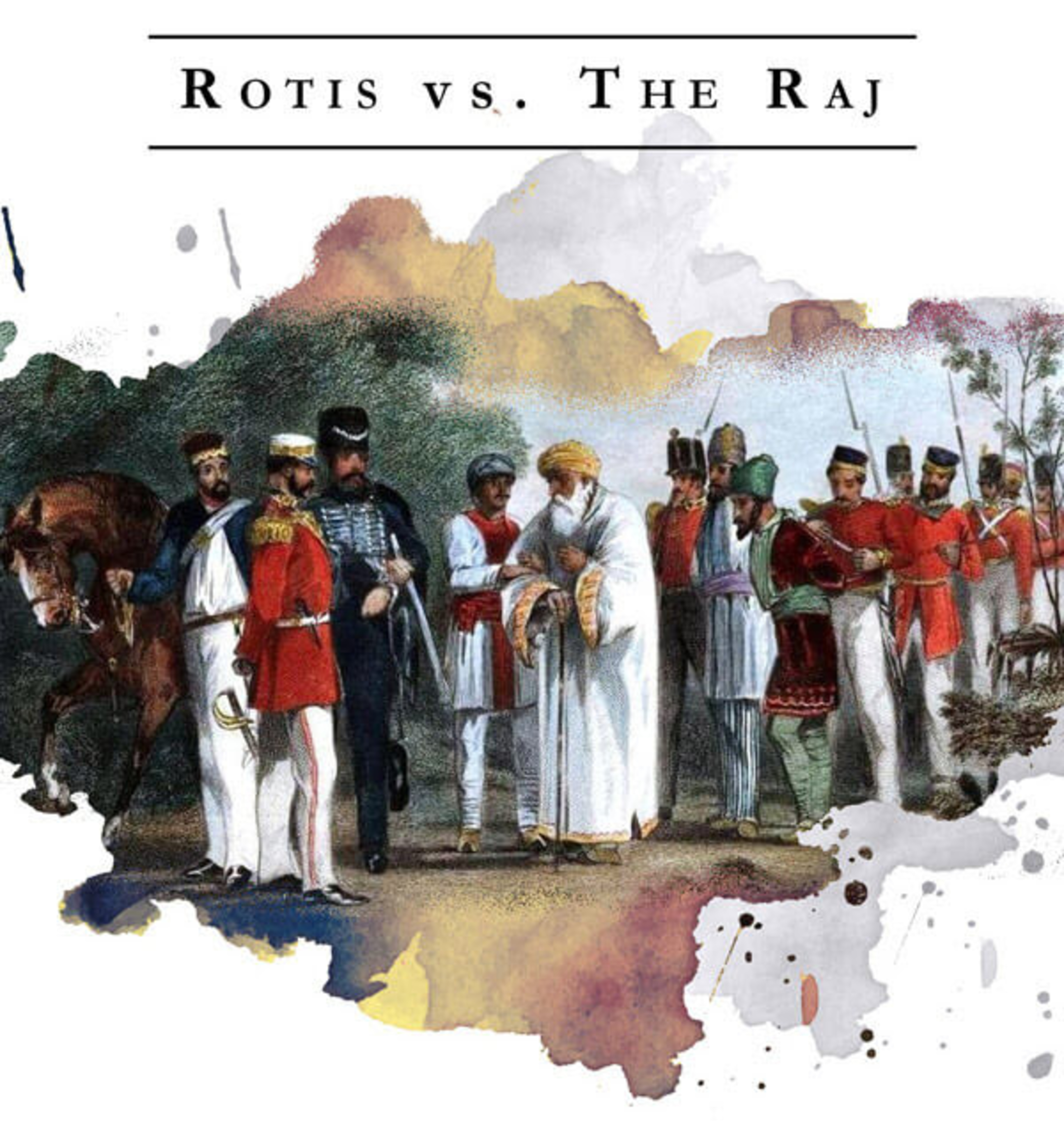
In 1857, an extraordinary and mysterious movement stirred unease and panic among the British rulers in India. This movement, known as the Chapati Movement, involved the distribution of thousands of chapatis across vast regions every night. From Calcutta to Indore and Awadh, runners tirelessly carried these flatbreads to villages, where each household would make more and pass them on. These chapatis travelled up to 300 kilometres each night, swifter than the British mail, leaving the colonial administrators bewildered and suspicious. What secrets did these humble chapatis hold?
The Mystery Unveiled
The British were flummoxed by the chapati phenomenon. They suspected that the chapatis might be engraved or stuffed with secret messages plotting a rebellion. The British authorities seized and scrutinized the chapatis, dissecting them to uncover any hidden conspiracies. To their astonishment, they found nothing. No messages, no hidden symbols—just plain chapatis.
The Theories Behind the Movement
The true purpose of the Chapati Movement remains a subject of debate among historians. Some believe it was a clever ploy to spread panic among the British, making them paranoid about an impending rebellion. Others think it might have played a more significant role in the Revolt of 1857, serving as a covert communication network among Indian revolutionaries. Another theory suggests that the movement was a humanitarian effort, a food chain to support regions afflicted by cholera.
Meet Wheat: The Heart of Chapati

Now that we’ve delved into the historical intrigue, let’s turn our attention to the core ingredient of chapatis: wheat. Wheat is a grain that belongs to the grass family, and it’s a nutritional powerhouse. It consists of 71% carbohydrates, 13% protein (four times more than rice!), 13% water, 1.5% fat, and various phytochemicals. Each grain of wheat comprises three parts:

 Bran: The outer covering or husk, rich in fibre and vitamin B.
Endosperm: The starchy white inner part, packed with carbohydrates and protein.
Germ: The nutrient-dense core, containing healthy fats, oils, and vitamin E.
The Many Forms of Wheat
We consume wheat daily in various forms, each with distinct tastes and nutritional profiles depending on how it’s processed:
|


- Whole wheat grains: When cleaned and broken, they become daliya or goduma.
- Ground and sieved: This form is known as rava or sooji.
- Powdered with bran: This is atta, the flour used to make chapatis.
- Powdered after dehusking and refining: This form is maida, often used in baking.
Choosing the Healthiest Chapati Flour
The healthiest chapatis are made from 100% whole wheat atta. bb Royal atta goes a step further by being fortified with iron, folic acid, and multivitamins to help meet your daily nutritional needs. Here are some options to consider!
#1 bb Royal MP Sharbati Atta

Made from premium Sharbati wheat grown in the Sehore region of Madhya Pradesh, this atta is perfect for soft chapatis and puffy phulkas. Rotis made from Sharbati atta have a sweet, nutty taste and stay fresh for up to 8 hours.
#2 bb Royal Chakki Fresh Atta

Sourced from fine wheat grown by farmers in UP, Rajasthan, and Punjab, this atta is ground using the traditional chakki method. This slow stone-grinding process retains nutrients, especially fibre and vitamin B1. Chapatis made from this atta remain soft and fresh for 5-6 hours.
Try bb Royal Chakki Fresh Atta
#3 bb Royal Multigrain Atta

This atta combines the goodness of chakki atta (90%) with the added nutrition of eight other grains (10%): maize, ragi, amaranthus, horse gram, soybean, Bengal gram, barley, and jowar. This blend, developed by scientists at the Central Food Technological Research Institute (CFTRI), offers a nutritional boost.
 Did you know? Did you know?
To increase your intake of multigrain, you can buy these flours separately and mix them with atta. However, keep in mind that the atta is what keeps the rotis soft; other flours will alter their taste and texture. |
Quality Assurance

Our quality experts travel across the country to source the finest grains directly from farmers. We procure enough to last the entire year and store the grains in temperature- and humidity-controlled warehouses. This ensures that bb Royal atta maintains its quality, unaffected by seasonal fluctuations in crop quality.
The Final Twist
Now that you know what’s inside your chapati, let’s revisit the mystery of the 1857 chapatis. Despite extensive investigations, the British found nothing unusual in the chapatis. The true purpose of the Chapati Movement remains a fascinating enigma. Was it a clever psychological tactic, a covert communication network, or a benevolent food distribution system? The answer is lost in history, but the story continues to intrigue and inspire.
In conclusion, while the Chapati Movement of 1857 remains shrouded in mystery, the significance of wheat and its various forms in our daily diet is clear. Whether you prefer Sharbati atta’s softness, Chakki Fresh atta’s traditional richness, or Multigrain atta’s nutritional boost, understanding what’s inside your chapati can help you make healthier choices for yourself and your family.
fascinating information.
Very interesting to learn this part of food history, was never a part of our history books! Thank you Big Basket.
Wow! Useful information
Thanks for letting us meet with chapati “1857 Legacy will continue”
Thanks for letting us meet with chapatis “1857 historical Legacy will continue”