

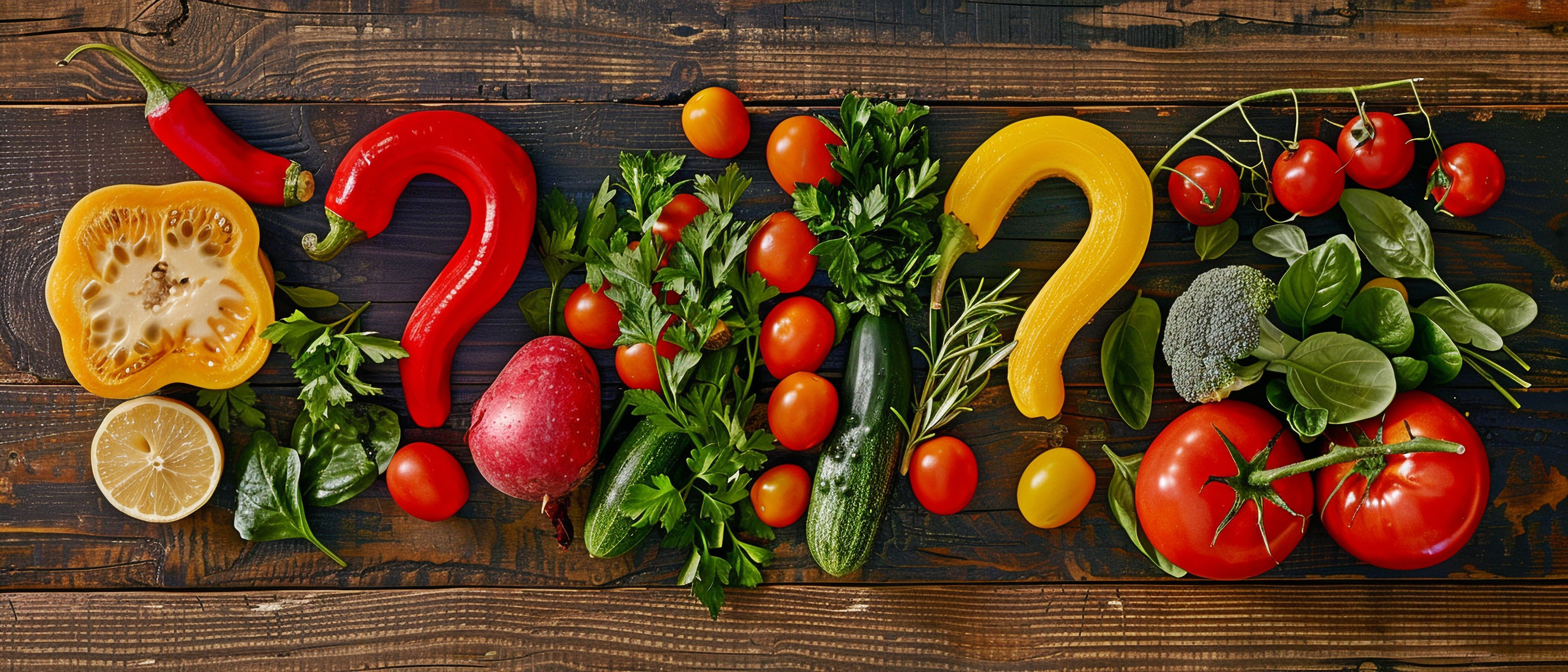
With internet access available to most people, the internet has become a platform with every kind of information. However, just because it is on the internet or a fancy site has published the data, or an attractive advertisement has played it on social media, does not mean the information is factually correct!
It is easy to get misguided with myths and incorrect information floating around on the internet, especially concerning food and health. You need not fall prey to any viral myths, as we break some of these myths.
Myth 1: Detox diets are necessary for your body

Fact: There are many products in the market that advertise consumption of their products or trying a certain type of diet as the only way to detox your body. This is far from the truth. In reality, our body is naturally designed to detoxify itself.
The liver functions in a way that removes harmful toxins from the body and naturally detoxifies from within.
We don’t need any detox diets or products but only need to keep the liver clean and functional by limiting or avoiding the consumption of excessive sugar or alcohol.
Myth 2: Protein supplements are mandatory for everyone

Fact: People who consume a diet that is naturally rich in proteins Eg. A diet rich in fish, eggs, lean meat, tofu, paneer, milk, pulses etc. and are not engaged in intense weight training do not need to consume external protein supplements.
A protein-rich diet provides the body with a good amount of proteins that are required for the body’s natural wear and tear and repair. Protein supplements are essentially a convenient way to get the required proteins for your body and help in muscle growth.
Myth 3: Fats are bad for you

Facts: Some fats are essential for the normal functioning of the heart, brain and overall well-being. In simpler words, fats are of two types: good fats and monounsaturated fats. The other type is, ‘bad fats’ which are, saturated fats and trans fats.
The ‘good fats’ are essential to maintain a healthy cholesterol level in the blood, and help maintain good heart health. Good fats are available in, nuts, avocados, olive oil, oily fish, full-fat milk products etc.
Bad fats cause cholesterol to accumulate inside your blood vessels, increasing your risk of heart disease, it also leads to obesity and increased chances of cancer. It is found in palm oil, lard, bakery products, fried foods, pork etc.
Myth 4: Rice makes you fat

Fact: Rice like any other grain is not bad for you. In fact, rice is low in fats and can provide a good amount of energy to the body.
There is no need to villainize rice, which is a staple diet in many parts of the country. While rice itself is a good source of carbohydrates, just like any other food, too much of anything is bad.
Consuming a limited quantity of rice is not bad, you can make it better by adding vegetables and protein to it.
Myth 5: Egg yolk is unhealthy

Fact: An egg in its entirety is good for you. The egg yolk is high in tryptophan and Tyrosine along with amino acids that are in fact good for your heart health. The yolk contains ‘good fats’ and also, Vitamin A, D, E, K, Vitamin B12 and Vitamin K. It is also rich in folate, iron and riboflavin. Egg yolks can be safely consumed.
But once again, moderation is key as overdoing anything can never be good for the body.
Myth 6: Microwaving food destroys its nutrients

Fact: This is yet another misleading viral myth that has spread false information! Cooking any food in any way tends to reduce its nutritive value. Cooking in water also reduces the food’s nutrition. That does not mean we stop using water in cooking or eat all foods in their raw form.
Microwaving food in fact preserves most of its nutritive content as the cooking process involves little or no water and is a faster method of cooking. So fewer nutrients are destroyed as compared to other forms of cooking.
Myth 7: Fresh produce is always better than frozen produce

Fact: It is always very easy to simply assume that frozen produce is old and nutritionally poor, while fresh produce is always better.
It is true that fresh produce retains a lot of its nutrition intact, but with time the nutritive value may decline gradually, especially as it lies in your fridge.
However, frozen fruits and vegetables are packed fresh and often retain the nutritive value that they did when the produce was fresh. This is true for fruits and vegetables that are packed and frozen by themselves. However, frozen produce with additional sugars and salts may not retain its original nutrition.
And so it is safe to consume your choice of fruits and vegetables when they are not in season but are available in frozen form.
Myth 8: You need 8 glasses of water a day

Fact: This is a very commonly known norm. However, there is very little scientific research that backs this claim.
The fact is that there is no fixed amount of water intake that applies to each person. For some, drinking 8 glasses may be too much, while it may be too little for others.
This varies depending on age, health, dietary calorie intake, overall health, temperature of surroundings etc.
Of course, not drinking enough water may cause mild dehydration, but drinking exactly 8 glasses a day is also not the exact solution. One needs to be mindful of drinking enough water and pay attention to one’s thirst. But there are no hard and fast rules with regard to this exact mentioned amount of water.
Awesome!!!! Facts n clear instructions. Very nice.
Thank you so much 👍