

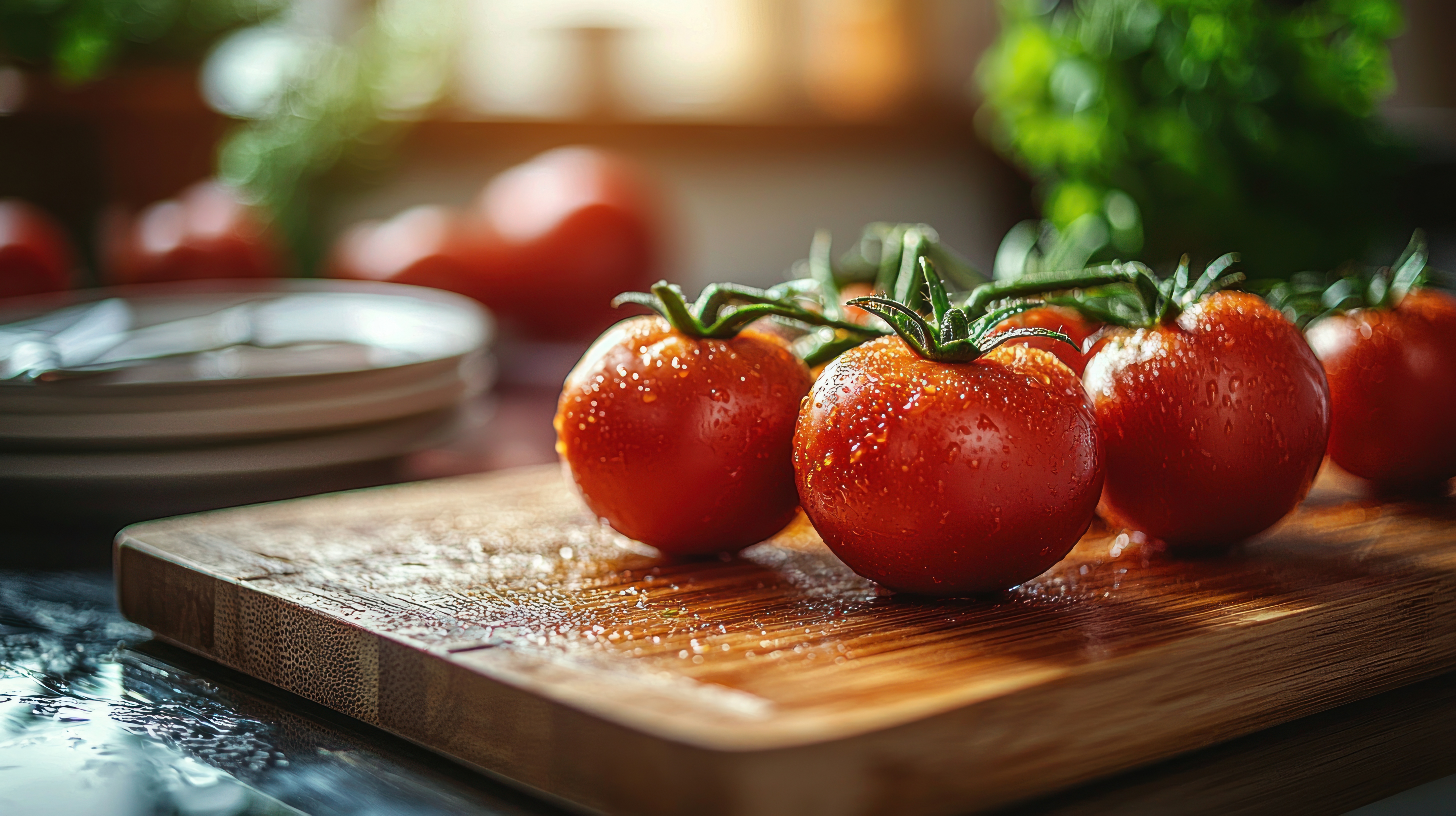
With the onset of monsoon, the risk of contamination in fresh produce increases significantly. From leafy greens to root vegetables, most items brought home during this season are likely to carry more than just nutrients—they may also be laced with mud, pesticides, and harmful microorganisms.
The primary concern stems from the environmental conditions brought on by the rains. High humidity, stagnant water, and damp soil create ideal conditions for the growth and spread of bacteria, fungi, and parasites. Additionally, to combat crop damage during this period, there is often an increased reliance on chemical pesticides, further compounding the hygiene risk.
This blog outlines essential practices for washing vegetables during the monsoon—ensuring that what reaches your kitchen is thoroughly cleaned, safe, and fit for consumption.
Understanding the Risks
Vegetables harvested during the monsoon season are especially prone to contamination. The combination of wet soil, inadequate drainage in agricultural fields, and frequent handling during transport increases the likelihood of exposure to harmful agents. These may include:
- Bacterial and fungal spores
- Soil-borne parasites
- Pesticide and chemical residue
- Worms or larvae, particularly in leafy greens and cauliflower
Consuming unwashed or poorly washed vegetables during this time can lead to foodborne illnesses, gastrointestinal infections, and in some cases, long-term health issues.
Step-by-Step Guide to Washing Vegetables Properly
To ensure safe consumption, follow these cleaning methods diligently:
1. Initial Rinse Under Running Water

Begin by thoroughly rinsing all vegetables under clean, running water. This step helps remove loose dirt, surface-level pesticides, and some microbial presence. Avoid soaking vegetables at this stage, as stagnant water can reintroduce contaminants.
Note: For leafy greens, gently separate the leaves to ensure water reaches all parts.
2. Soaking in Salt or Vinegar Solution

After the initial rinse, soaking vegetables in a natural cleansing solution is advisable. You may choose one of the following:
- Salt Water: Dissolve 1 tablespoon of salt in 1 litre of water. Soak the vegetables for 10–15 minutes. This helps draw out hidden insects and remove certain microbial layers.
- Vinegar Solution: Mix 1 part white vinegar with 3 parts water. Soaking vegetables—especially those with smooth surfaces like tomatoes and bell peppers—can help eliminate pesticide residue and kill bacteria.
Avoid using strong chemical disinfectants, especially if they are not food-grade, as they may leave behind harmful residues.
3. Cleaning Leafy Greens Separately

Leafy vegetables such as spinach, coriander, and fenugreek require special attention. These often trap mud and tiny insects between the leaves. After the salt/vinegar soak:
- Rinse each leaf individually if possible.
- Swirl the greens in clean water and lift them out instead of draining, to leave the dirt behind.
- Pat dry with a clean kitchen towel or allow them to air dry before storing.
4. Handling Root Vegetables

Items like potatoes, carrots, beets, and turmeric often come with heavy soil deposits. For these:
- Scrub the surface using a brush under running water.
- If the skin is to be retained, soak briefly in warm salt water to loosen debris.
- Dry completely before storing to prevent fungal growth.
Safe Storage After Cleaning
Once cleaned, vegetables must be stored properly to retain freshness and avoid post-wash contamination.
- Dry thoroughly: Moisture promotes microbial growth. Use a clean cloth or allow air drying.
- Store in breathable packaging: Paper towels or perforated storage bags help regulate humidity.
- Avoid airtight plastic: Especially for leafy greens, which spoil faster in sealed environments.
Frequently Asked Questions
Q: Should I use packaged vegetable wash solutions?
A: Commercial vegetable washes may be effective, but check labels for food-safe, non-toxic ingredients. Homemade salt or vinegar solutions are usually sufficient and safer for routine use.
Q: Is hot water better for cleaning vegetables?
A: No. Hot water can damage the texture and nutrient profile of most vegetables. Use room temperature or lukewarm water for effective cleaning.
Q: Can I wash and store vegetables in advance?
A: While leafy greens can be washed and stored if dried thoroughly, most vegetables are best washed just before use to maintain texture and shelf life.
Final Thoughts
The monsoon season, while beneficial to agriculture, also presents clear hygiene challenges when it comes to fresh produce. By following proper washing techniques and storage practices, you significantly reduce the risk of foodborne illness. This is not merely a matter of habit—during the monsoon, it becomes a vital part of kitchen hygiene.
Make informed choices. Prioritise cleanliness. Let what reaches your plate nourish you safely.
Very nice guide lines provided