

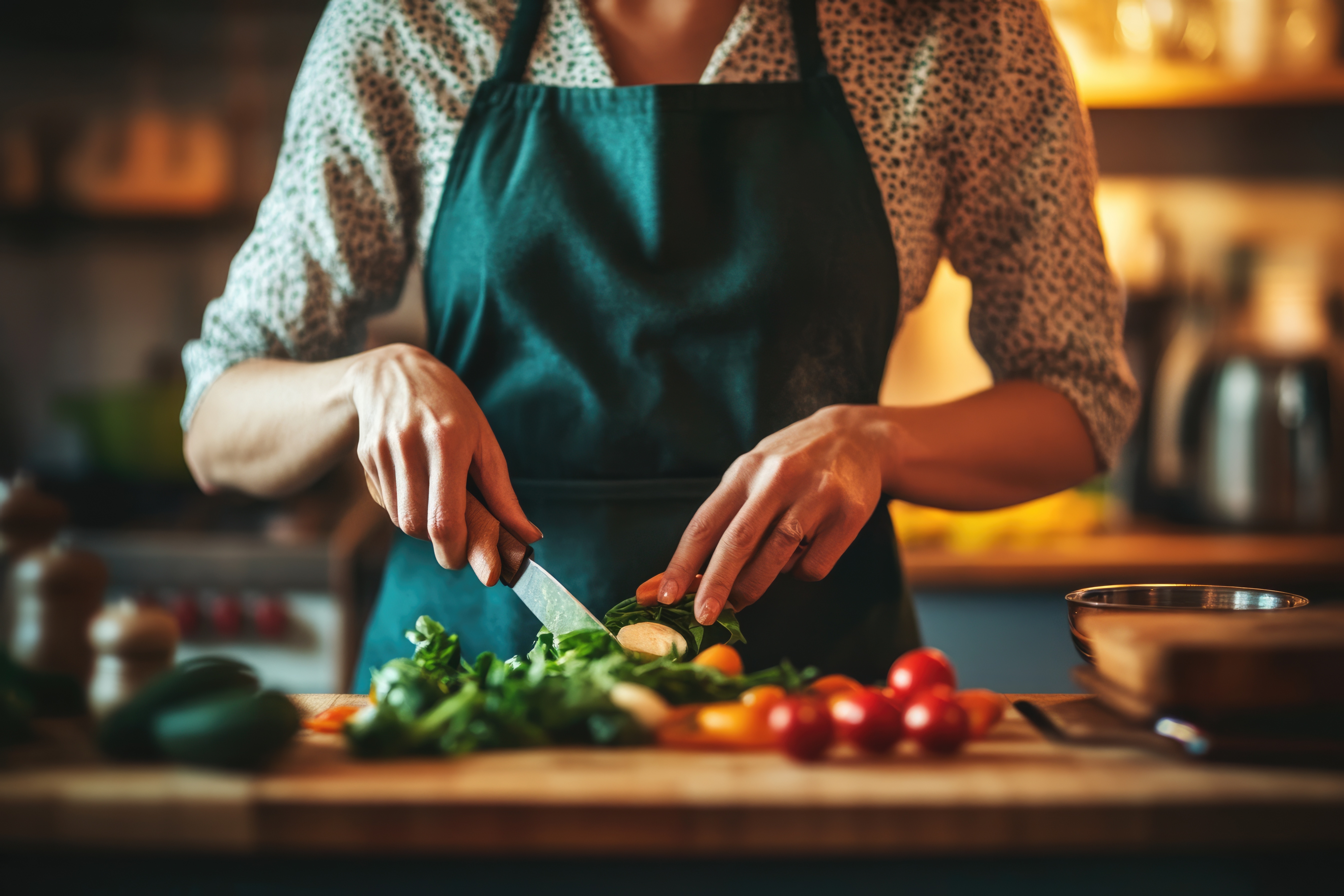
Prepping vegetables in advance can feel like winning the weeknight dinner game. But let’s face it—no one likes pulling out a container of chopped capsicum only to find it limp, soggy, or worse, slimy. The truth is, pre-cut vegetables are more vulnerable to spoilage. Exposure to air, moisture loss, and oxidation can degrade their texture, nutrition, and flavour faster than whole produce.
So, how do you extend their shelf life without compromising taste and quality? Here’s a no-fluff guide to doing it right.
1. Choose Your Containers Wisely
Not all storage containers are created equal. For maximum freshness:
- Go airtight: Oxygen speeds up deterioration. Use BPA-free airtight containers or zip-lock bags with the air pressed out.
- Glass>Plastic: Glass containers are non-porous, odour-resistant, and help keep veggies crisp longer.
- Paper towels are your friend: Line containers with dry paper towels to absorb excess moisture, which prevents sogginess and microbial growth.
👉 Pro Tip: Use compartmentalised containers to separate veggies that release more water (like tomatoes) from those that don’t (like bell peppers or carrots).
2. Know Which Veggies Can Be Cut Ahead
Some vegetables handle pre-cut storage better than others.
Best for pre-cut storage (lasts 3–5 days with proper care):
- Carrots
- Bell peppers
- Cabbage
- Cauliflower
- Broccoli
- Beans
Handle with care (consume within 1–2 days):
- Tomatoes (they go mushy)
- Cucumbers
- Zucchini
- Leafy greens like spinach or coriander
👉 Avoid pre-cutting high-moisture veggies like mushrooms or eggplant unless you’re using them the same day.
3. Store by Category, Not All-in-One
It’s tempting to throw everything into a single container for convenience. Don’t.
Veggies have different moisture levels and ethylene sensitivities. For example, onions and garlic can hasten spoilage in nearby produce. Instead, store veggies in separate containers to prevent cross-contamination and reduce the risk of one spoiled piece ruining the batch.
4. Use Water Smartly
- Carrots, celery, and radishes: Store cut sticks in a jar of cold water to keep them crunchy. Change the water daily.
- Leafy greens: Wash, dry thoroughly (spin-dry if needed), then wrap loosely in paper towels and place in a loosely closed bag or container.
- Cauliflower and broccoli: A slightly damp paper towel placed inside the container helps retain just enough moisture to prevent drying.
5. Keep an Eye on Temperature Zones
The fridge isn’t one-size-fits-all.
- Crisper drawers are designed to control humidity, perfect for chopped greens and moisture-sensitive vegetables.
- Store chopped veggies at 4°C (39°F) or slightly below to slow down microbial activity without freezing.
👉 Never store cut vegetables on the fridge door; it’s the warmest spot due to frequent opening and closing.
6. Label Everything
Use masking tape or labels to note the date you chopped the veggies. Even with perfect storage, pre-cut vegetables shouldn’t sit for more than 5 days (most are best within 2–4). Rotate older batches to the front and use them first.
7. Consider Quick Pickling or Blanching
If you’ve prepped too much, don’t let it go to waste.
- Quick pickle cucumber slices, onions, or carrots to extend their shelf life and add a tangy kick to meals.
- Blanch beans, broccoli, or carrots briefly in boiling water, then store them refrigerated or frozen. This halts enzymatic spoilage and locks in nutrients.
In Summary
Pre-cut veggies can be a lifesaver during busy weeks, but only if stored with care. The golden rules? Keep them cold, dry (or properly hydrated, depending on the vegetable), separated, and sealed. With a little prep and the right containers, your chopped veggies can stay vibrant, crisp, and ready to cook—no waste, no wilt, no regrets.
0 comments on “How to Store Pre-Cut Veggies Without Losing Freshness”