

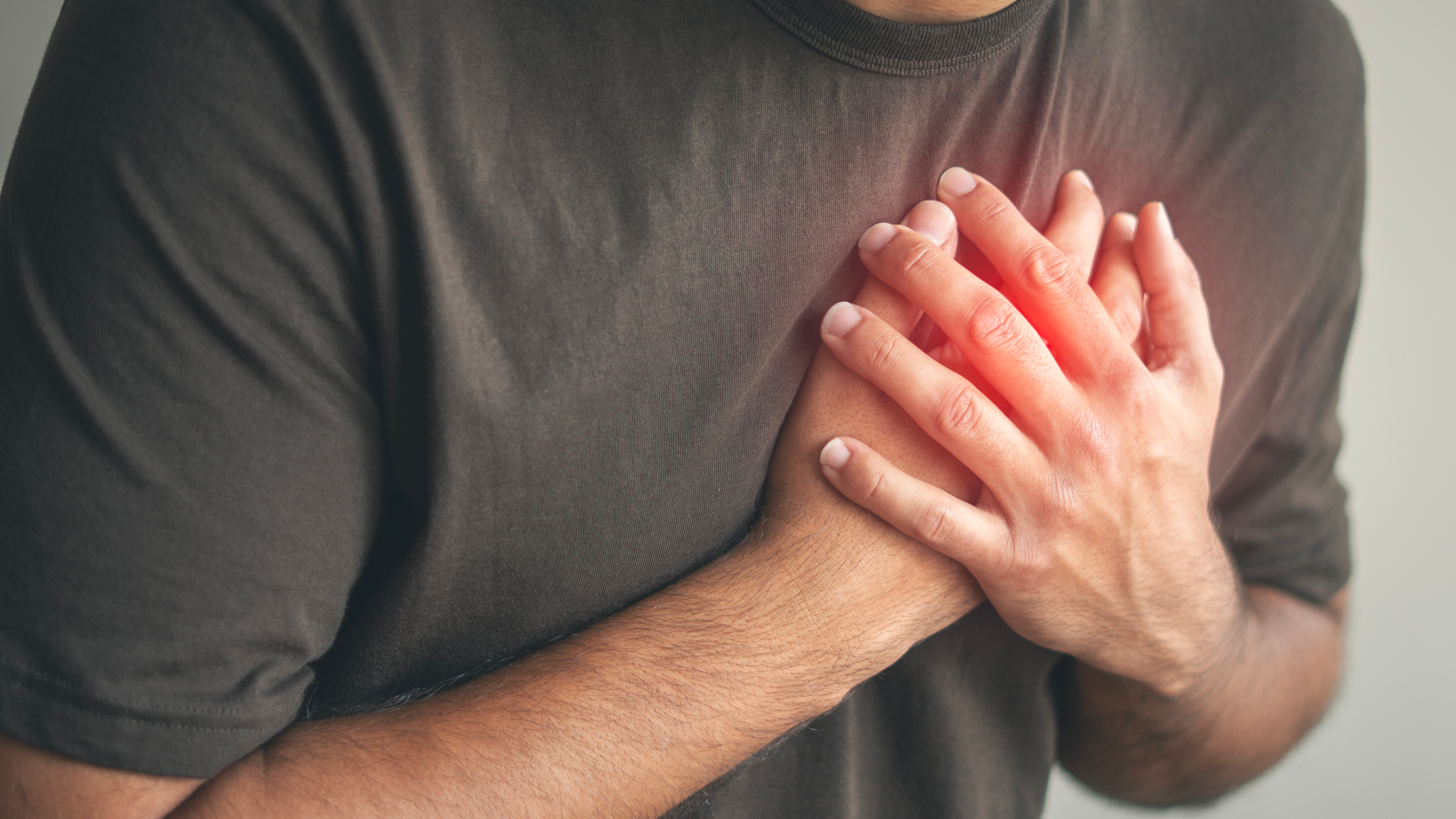
Most men live life in “keep going” mode — long workdays, high stress, late nights, quick meals, and barely any time to slow down. In the middle of all this, the heart quietly takes the hit. That’s why heart disease remains one of the biggest health risks for men today. The tricky part? It often develops silently, with no obvious warning until things get serious.
From stress and belly fat to poor sleep and family history, many risk factors slip under the radar. But paying attention early can change everything. With a few simple habits and regular checkups, men can protect their hearts, boost their energy, and stay healthier for the long run. Your heart deserves that care.
Why Heart Health Matters So Much for Men
Men tend to develop heart problems earlier than women. Stress, long working hours, poor sleep, smoking, and unhealthy eating patterns hit men harder because they’re often ignored or brushed off.
Plus, many men grow up with the mindset of “manage it later,” or “I’m fine, it’s just tiredness.” But the heart doesn’t wait. It reacts to your everyday habits — good or bad.
Taking care of your heart isn’t about fear. It’s about staying strong, active, and healthy for the long run.
The Sneaky Risk Factors Men Often Overlook
The culprits behind poor heart health are rarely a surprise, but they can creep up on you without obvious symptoms.
-
The Silent Killers (High Blood Pressure & Cholesterol): High blood pressure (hypertension) and high LDL (“bad”) cholesterol are often called the silent killers because they usually have no symptoms until they cause a major event like a heart attack or stroke. Many men assume they’re fine because they feel fine. This is why regular screening is non-negotiable.
-
The Stress Squeeze: Modern life, career pressure, and the tendency to internalise stress can seriously damage your heart. Chronic stress raises your blood pressure and increases levels of cortisol, a hormone that can promote plaque buildup in your arteries. Stress doesn’t just make you feel bad; it hurts your heart.
-
The Belly Bulge (Visceral Fat): It’s not just about the number on the scale. Fat stored deep around your organs (visceral fat), often appearing as a “beer belly,” is metabolically active and dangerous. It releases inflammatory compounds that significantly increase your risk of heart disease and type 2 diabetes.
-
The Smoke Screen: Yes, we know smoking is bad, but it bears repeating: smoking is one of the most damaging things you can do to your cardiovascular system. It narrows your blood vessels and makes your blood more likely to clot.
-
The Missing Z’s (Poor Sleep): Getting consistently poor or too little sleep (under 7 hours) impacts your body’s ability to regulate hormones that control blood pressure and inflammation. Think of good sleep as necessary maintenance for a healthy heart.
Early Warning Signs You Must Never Ignore
When it comes to your heart, the “tough it out” approach is lethal. Seek medical attention immediately if you experience:
-
Chest Discomfort (Angina): This might not be a sharp pain. It can feel like pressure, squeezing, fullness, or aching in the centre of your chest that lasts for more than a few minutes, or goes away and comes back.
-
Pain in Other Areas: Discomfort that radiates to one or both arms (often the left), the jaw, neck, back, or stomach.
-
Shortness of Breath: Feeling winded, either with or without chest discomfort.
-
Cold Sweats, Nausea, or Lightheadedness: These can accompany chest symptoms
1. High Blood Pressure (The “Silent Killer”)
-
The Issue: High blood pressure (hypertension) damages your arteries over time, making them less elastic and promoting plaque buildup. This forces your heart to work harder.
-
Why It’s Ignored: It typically has no symptoms until severe damage occurs. A man who feels fine can still have critically high blood pressure.
2. High LDL Cholesterol
-
The Issue: High levels of LDL (Low-Density Lipoprotein, the “bad” cholesterol) directly cause plaque to build up in your arteries (atherosclerosis), narrowing them and restricting blood flow.
-
Why It’s Ignored: Like blood pressure, high cholesterol has no physical symptoms. The only way to know is through a routine blood test (lipid panel).
3. Belly Fat (Visceral Fat)
-
The Issue: This is fat stored deep around your abdominal organs. It’s much more dangerous than subcutaneous fat (the fat under your skin) because it’s metabolically active, releasing inflammatory compounds that significantly increase heart disease and diabetes risk.
-
Why It’s Ignored: Men often dismiss a “beer belly” as normal aging or temporary weight gain, not realizing it’s a critical danger indicator. A waist circumference greater than 40 inches for men is a significant red flag.
The Hidden Lifestyle Toll
These are everyday issues that men often minimise, assuming they’ll catch up on sleep or “de-stress” later.
4. Chronic Stress and Anger
-
The Issue: Long-term work pressure and unmanaged emotional stress (especially anger and hostility) constantly raise your stress hormones (like cortisol), which elevates blood pressure and heart rate, and can promote inflammation and plaque rupture in your arteries.
-
Why It’s Ignored: Stress is often seen as a necessary badge of honour for professional success, rather than a quantifiable threat to the heart.
5. Poor Sleep Quality or Quantity
-
The Issue: Consistently getting less than 7 hours of quality sleep disrupts the bodily processes that regulate blood pressure, blood sugar, and inflammation. Lack of sleep is independently linked to higher cardiovascular risk.
-
Why It’s Ignored: Sleep is often the first thing sacrificed for work, family, or personal time, seen as a luxury rather than a biological necessity for heart repair.
6. Erectile Dysfunction (ED)
-
The Issue: ED is often called “the canary in the coal mine” for heart disease. Because the arteries supplying the penis are much smaller than those supplying the heart, damage from plaque buildup often shows up there first, years before it causes a heart attack.
-
Why It’s Ignored: Men often feel embarrassed to discuss ED or assume it’s purely a hormonal or age-related issue, missing the opportunity to use it as an early warning sign for a serious underlying vascular problem.
7. Low Testosterone (“Low T”)
-
The Issue: While often associated with sex drive, low testosterone levels have been increasingly linked to an increased risk of heart disease and type 2 diabetes.
-
Why It’s Ignored: The focus is typically on symptoms like fatigue or low libido, without connecting it to broader cardiovascular health.
0 comments on “Men’s Heart Health: Risk Factors You Shouldn’t Ignore”