

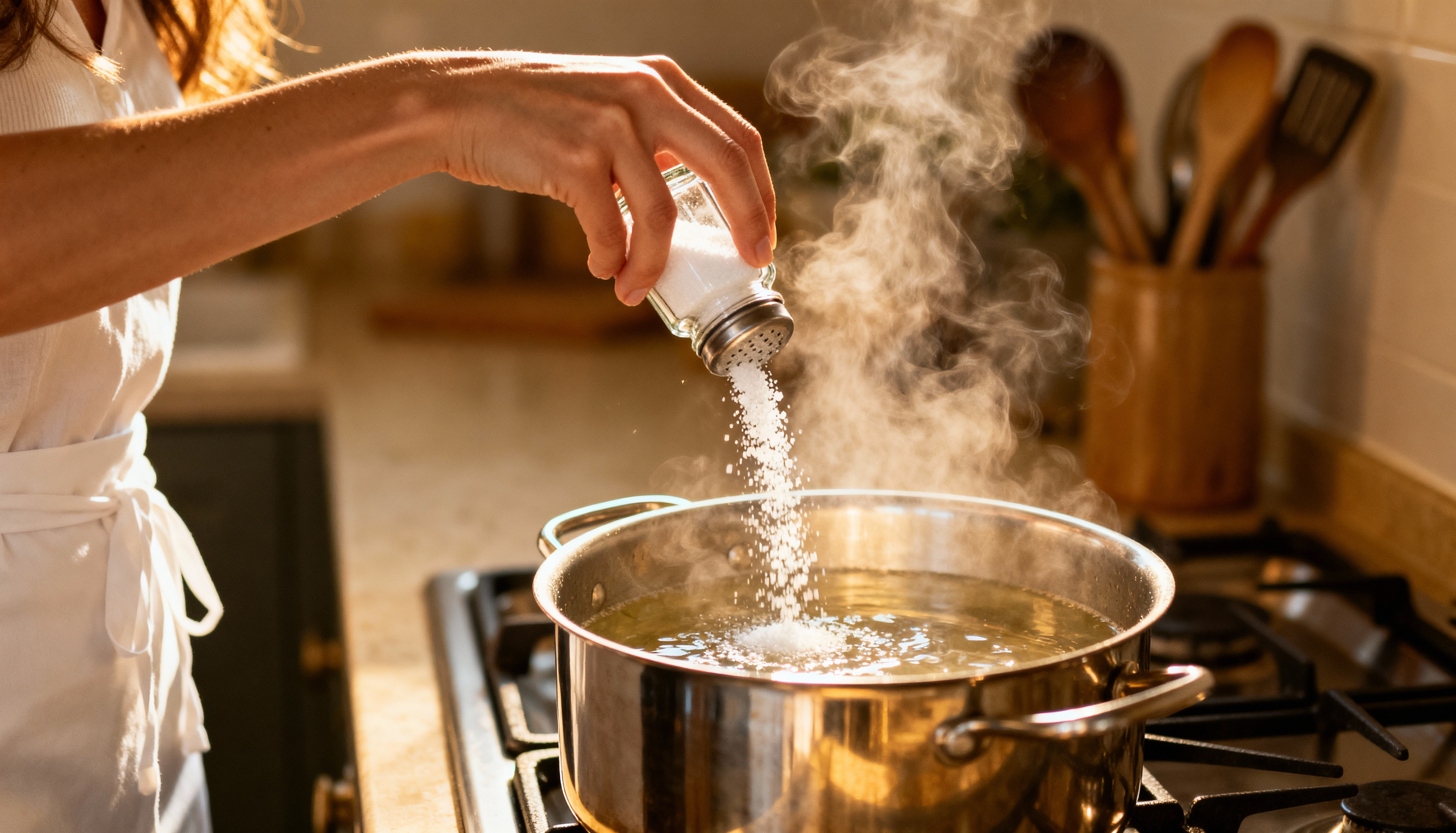
Salt. That tiny crystalline ingredient that seems innocent but quietly lurks in almost everything you eat. From the crunchy papads and tangy pickles to your favourite packaged snacks, salt is everywhere—and often in amounts you don’t even realise.
But why should you care? Let’s dive in.
Why Salt Is a Sneaky Culprit
Salt is essential for life. Your body needs sodium to maintain fluid balance, support nerve function, and help muscles work properly. Sounds good, right? But here’s the twist: most of us consume way more than the recommended 5 grams (about 1 teaspoon) per day. Too much salt can:
- Raise blood pressure
- Increase risk of heart disease and stroke
- Causes bloating and water retention
- Lead to kidney problems
And the sneakiest part? You’re not always aware you’re consuming it.
Hidden Salt: Where It Hides
Salt loves to hide where you least expect it. Pickles and chutneys, while delicious, are often packed with salt. Your favourite papads and namkeens crunch with sodium. Packaged foods like instant noodles, chips, and ready-to-eat meals silently pile up your daily intake. Even sauces, dressings, and bread can contribute more sodium than you think. Even your morning bread could have more salt than you’d expect!
It’s not that these foods are evil—they’re convenient and flavourful—but awareness is key. Once you spot where salt hides, you can make smarter choices.
How Salty Are Your Everyday Foods?
Here’s a quick snapshot of common foods and just how much salt they add to your day—no table needed:
-
Packaged chips (30 g): Around 0.6–1 g of salt — on the higher side.
-
Instant noodles (1 pack): A major sodium hit at 3–4 g — very high, almost your full day’s limit.
-
Pickles (2 tbsp): Packed with 1–2 g of salt — also high.
-
Bread (1 slice): Surprisingly contains 0.2–0.3 g, making it a medium contributor.
-
Home-cooked dal (1 cup): Roughly 0.5 g, and since it’s homemade, you can easily reduce it — a low contributor.
Seeing these numbers makes it clear: you’re probably consuming more salt than you realise.
Smart Swaps: Reduce Salt Without Losing Flavour
Cutting down on salt doesn’t mean your food has to taste bland. There are plenty of natural and flavorful alternatives that can make your dishes pop:
-
Herbs and Spices: Fresh or dried herbs like basil, oregano, thyme, rosemary, coriander, dill, and spices like cumin, paprika, black pepper, and chilli flakes can add depth and aroma.
-
Citrus Zest and Juice: Lemon, lime, or orange juice/zest brighten flavours and gives a tangy kick that reduces the need for salt.
-
Garlic and Onion: Fresh garlic, roasted garlic, onion powder, or caramelised onions can bring rich, savoury notes.
-
Vinegars: Apple cider, balsamic, or rice vinegar add acidity that enhances flavour without sodium.
-
Umami Boosters: Ingredients like mushrooms, tomatoes, nutritional yeast, low-sodium soy sauce, miso, or Parmesan cheese deliver that savoury depth you often crave from salt.
-
Seaweed: Nori or kelp flakes are naturally salty and work well in soups, salads, or rice dishes.
-
Spice Blends: Try homemade or low-sodium seasoning mixes—think smoked paprika + garlic powder + black pepper—for instant flavour.
Tip: Start by substituting half of the usual salt with these alternatives. Gradually, your taste buds will adjust, and you’ll find your meals naturally more flavorful without relying on excess sodium.
The Takeaway
Salt isn’t evil—it’s a kitchen essential. But like any silent villain, its power lies in disguise. Being mindful, experimenting with herbs and spices, and gradually reducing intake can protect your health without sacrificing taste.
Remember: flavour is about creativity, not just sodium.
0 comments on “The Silent Villain in Your Kitchen”