

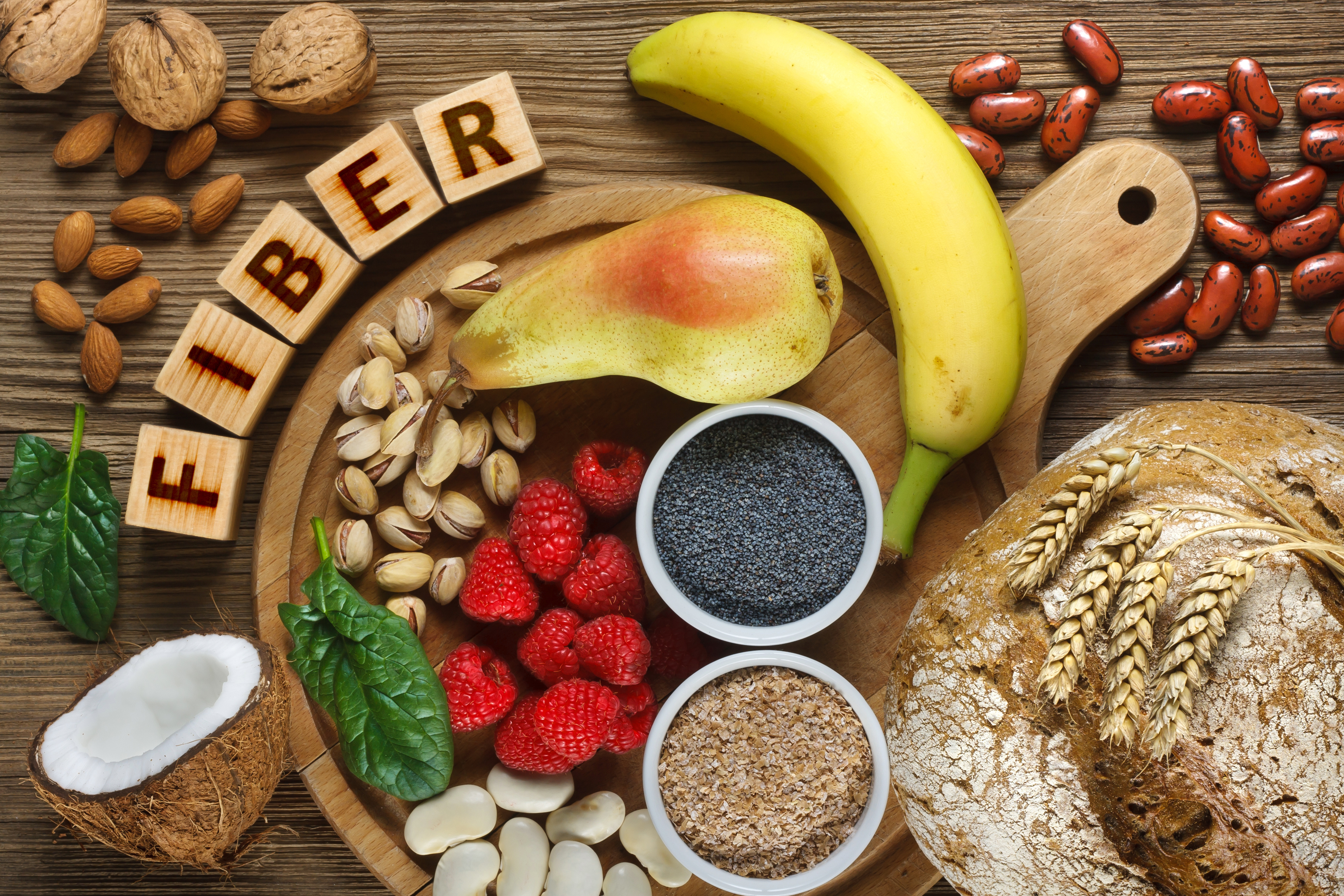
Bloating after meals. Energy dips mid-afternoon. A stomach that just feels “off” more days than not. Sound familiar? Most experts point to one simple reason: we’re not eating enough fibre. The fix now has a name: fibre-maxxing. It means intentionally eating more fibre every day to support better digestion, steady energy, and even mood. No supplements. No complicated meal plans. Just real, whole food.
So What Is Fibre-Maxxing, Really?
The goal is simple—aim for around 25–30 grams of dietary fibre a day. Yet, most adults eat only half that. This gap matters because fibre feeds the good bacteria in your gut. When those bacteria thrive, they support immunity, reduce inflammation, and keep your digestion running smoothly.
The payoff is real: research links adequate fibre intake to better blood sugar control, lower cholesterol, and a reduced risk of lifestyle diseases.
Your Pantry Already Has Everything You Need
Fibre-maxxing doesn’t require anything exotic. The best sources are already staples in the Indian kitchen.
- Pulses: Rajma, chana, masoor dal, moong — one cup of cooked rajma alone gives you 11–13g of fibre. Running low? Restock your dals and pulses.
- Vegetables: Methi, drumstick, raw banana, yam, green peas. Top up your basket with fresh, fibre-rich vegetables.
- Whole grains: Swap maida for atta, and bring in jowar, bajra, ragi, or oats. Replenish your supply of wholesome millets and grains.
- Fruits & seeds: Guava, pear with skin, banana, sabja seeds, flaxseeds, chia. Refill your kitchen with fibre-packed fruits and seeds.
If this list looks familiar, it should. Traditional Indian cooking was already built around these foods. Fibre-maxxing is simply getting back to that.
What a High-Fibre Day Actually Looks Like
Thirty grams of fibre doesn’t require a diet overhaul. It just looks like this — simple, familiar meals you’d happily eat any day of the week.
Morning: Daliya with milk and banana, or multigrain rotis with methi/peas subzi.
Mid-morning: A guava or pear — skin on.
Lunch: Rajma or chana with brown rice or jowar roti, small cucumber-tomato salad.
Evening: Roasted chana or curd with sabja seeds.
Dinner: Masoor or moong dal, whole wheat rotis, bhindi or drumstick.
How to Start Without Overdoing It
The only real rule is to start slowly. Adding too much fibre too fast can cause bloating, and your gut genuinely needs a few weeks to adjust. As you build up, try to eat a mix of both soluble fibre — think oats, dal, and apples — and insoluble fibre from whole grains and vegetables. Drink plenty of water alongside, because fibre needs hydration to do its job properly. And think variety over quantity. The more different plant foods you include throughout the week — even herbs and spices count — the better it is for your gut.
Good For Your Gut. Good For Your Mind.
A healthy, fibre-fed gut doesn’t just improve digestion — it has a real connection to how you feel mentally too. So every small swap counts more than you realise. More dal, more whole grains, a fruit with the skin on, flaxseeds in your curd. Start there. Stay consistent. Your gut — and your mood — will thank you.
0 comments on “Fibre-Maxxing & Next-Gen Gut Health”