

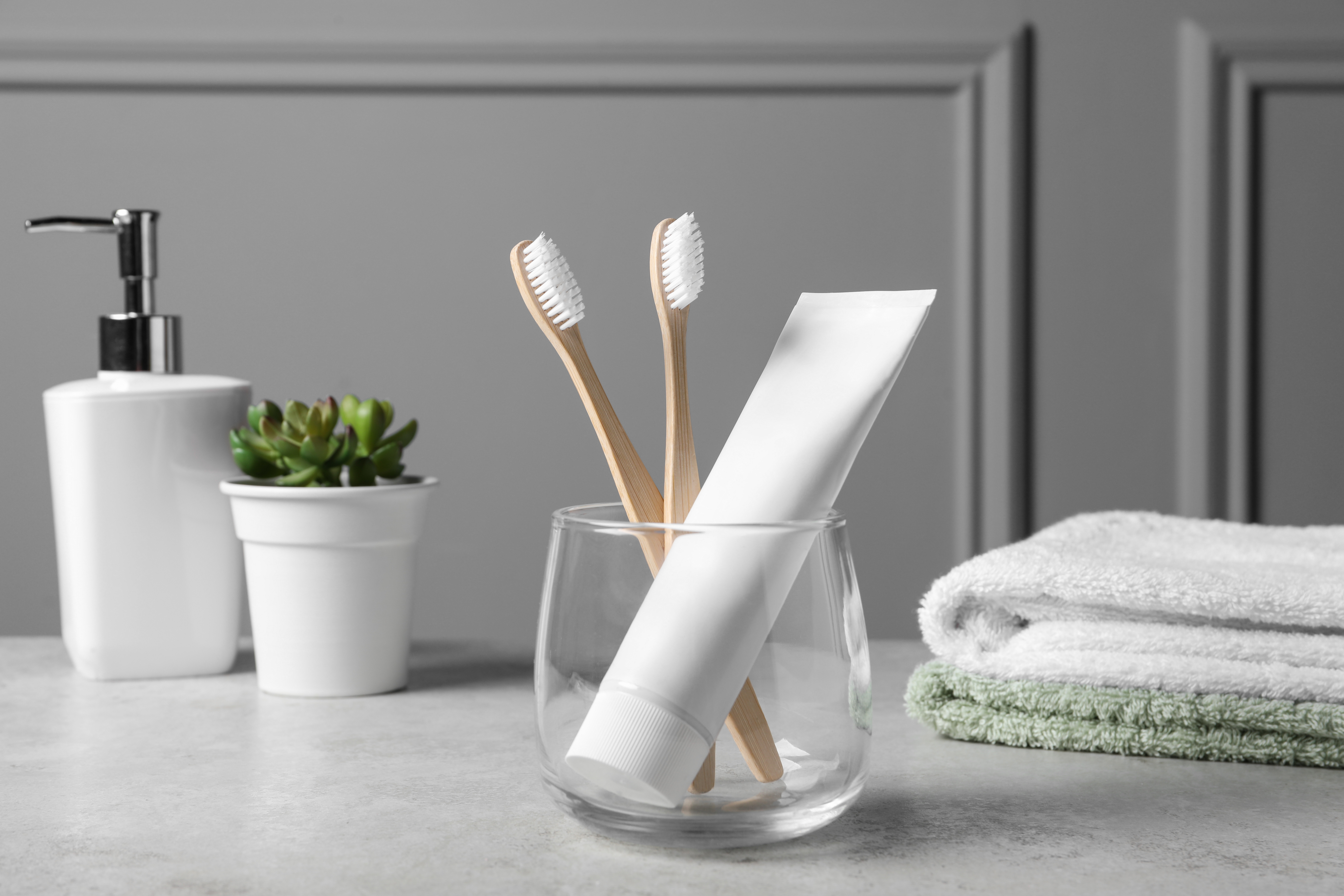
Taking care of your oral health is a crucial aspect of your overall well-being. The foundation of a healthy dental routine starts with selecting the right toothpaste and toothbrush. With so many options available on the market, it can be overwhelming to make the right choice. In this blog, we will guide you through the process of selecting the most suitable toothpaste and toothbrush for your specific needs.
I. Choosing the Right Toothpaste:

- Consider Your Dental Needs: The first step in choosing the right toothpaste is to consider your specific dental needs. Are you looking for a toothpaste that focuses on preventing cavities, gum health, sensitivity, whitening, or fresh breath? Identifying your primary concern will help you narrow down your options.
- Look for Fluoride: Most dentists recommend toothpaste that contains fluoride. Fluoride helps strengthen tooth enamel and prevents tooth decay. It’s an essential ingredient for maintaining good oral health.
- Check for ADA Approval: The American Dental Association (ADA) evaluates and approves toothpaste brands that meet specific quality and safety standards. Look for the ADA seal on the toothpaste packaging to ensure you’re choosing a reputable product.
- Consider Special Features: If you have specific oral health issues, such as sensitive teeth or gum problems, there are toothpaste options designed to address these concerns. Opt for toothpaste that caters to your unique needs.
- Avoid Harsh Abrasives: Some toothpaste may contain harsh abrasives that can damage tooth enamel. Choose a toothpaste with gentle abrasives to avoid enamel erosion.
II. Selecting the Right Toothbrush:

- Opt for Soft Bristles: Soft-bristle toothbrushes are recommended by most dentists. They effectively clean your teeth without causing damage to your gums and enamel. Medium or hard bristles can be abrasive and harmful in the long run.
- Consider Brush Head Size: The size of the toothbrush head matters. A smaller head allows for better manoeuvrability and access to all areas of your mouth, including hard-to-reach spots.
- Electric or Manual? Electric toothbrushes can be more effective at removing plaque and preventing gum disease, but a good-quality manual toothbrush used with proper technique can also provide excellent results. Choose the type that suits your preferences and budget.
- Replace Regularly: Toothbrushes should be replaced every three to four months or sooner if the bristles are frayed. An old toothbrush can be less effective at cleaning your teeth.
- Seek Recommendations: Ask your dentist or dental hygienist for toothbrush recommendations tailored to your specific dental needs. They can provide valuable guidance based on your oral health.
Choosing the right toothpaste and toothbrush is a crucial step in maintaining good oral health. Consider your individual dental needs, look for essential ingredients, and seek professional advice if necessary. Remember that a consistent and proper oral care routine, along with regular dental check-ups, is key to a healthy and beautiful smile.
0 comments on “Oral Care 101: Choosing the Right Paste & Brush”