

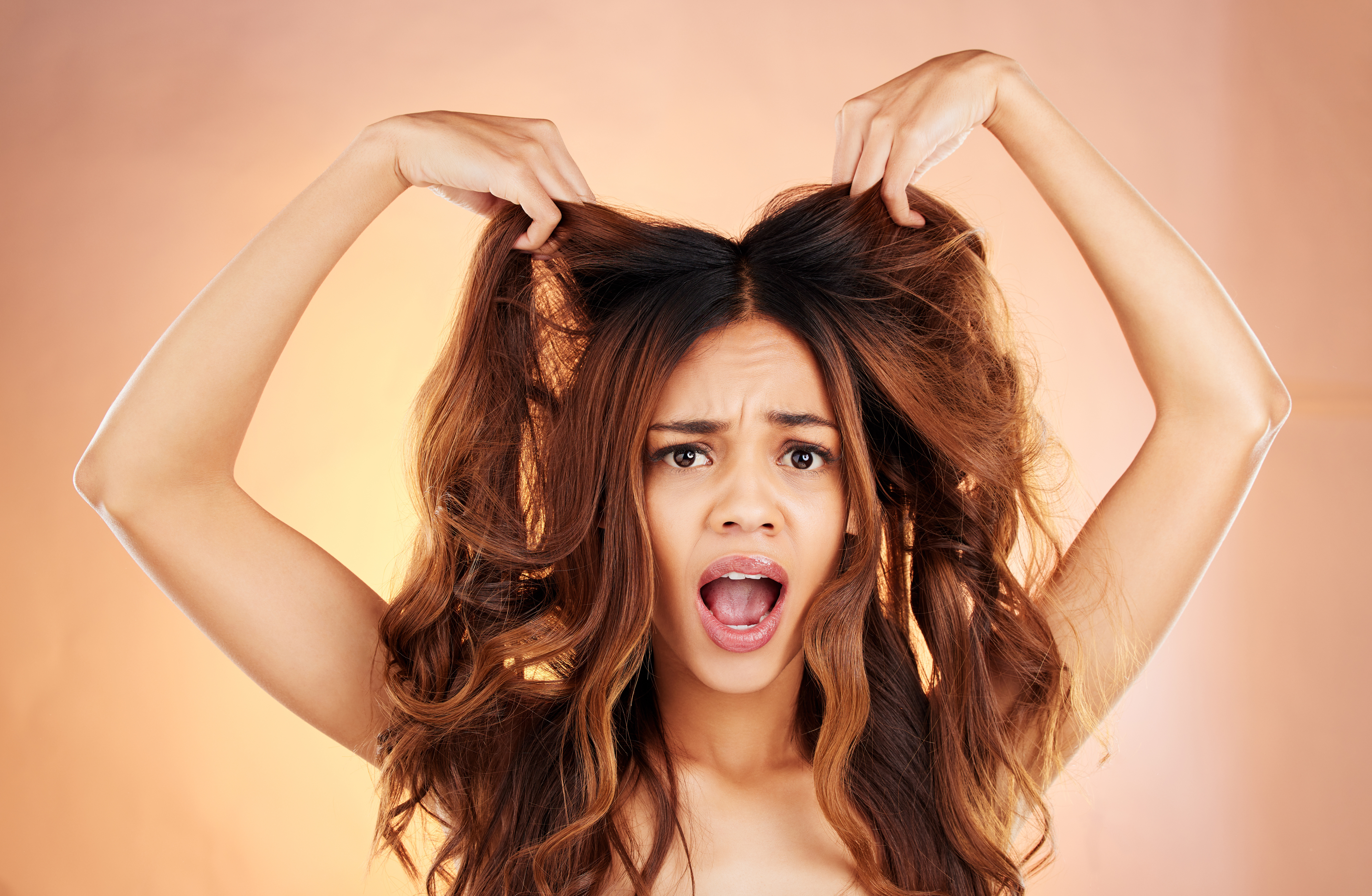
As the winter chill sets in, many of us experience an unwelcome companion – frizzy hair. While winters are all about sassy overcoats and stylish scarves, the colder months bring unique challenges to hair care, leading to increased frizz and dryness. This is why it is essential to remember that when the season changes, your haircare routine must change too.
So come then, let’s delve into the top five reasons why your hair tends to get frizzy during winter and explore effective strategies to combat the winter frizz. Don’t worry, we’ve done all the groundwork. All you need to do is get cosy, sit back with that hot cup of coffee and read through.
Now first things first. Ever wondered why hair gets frizzy in winter?

Hair tends to get frizzy in winter due to the combination of low humidity and cold temperatures. The dry air lacks the moisture needed to keep the hair cuticle smooth, causing it to rise up and resulting in frizz. Indoor heating systems further contribute to this issue by reducing humidity levels. Additionally, static electricity, more common in dry winter air, can lead to hair standing on end and intensifying frizz.
While it may sound tedious, simple tips can help you combat winter frizz. Here’s how you can tackle each of the woe-causing factors with ease.
To combat winter frizz, it’s essential to maintain moisture in the hair and minimise static friction.
#1. Low Humidity Levels
One primary culprit behind winter frizz is the decrease in humidity levels. Cold air holds less moisture, and as a result, the hair cuticle tends to rise, making it more susceptible to frizz.
 Pro tip:
Combat this by incorporating hydrating products into your hair care routine. Opt for a moisturising conditioner to infuse your locks with much-needed moisture.
#2. Static Electricity
Static electricity is another common winter woe that contributes to frizzy hair. The cold, dry air generates static, causing your hair to stand on end.
Pro tip:
To tackle this issue, consider applying a small amount of leave-in conditioner can help neutralize the electrical charge and keep your hair smoother.
#3. Indoor Heating
The artificial heating systems we rely on indoors during winter can be harsh on our hair. Central heating often leads to a decrease in humidity levels, robbing our hair of essential moisture.
Pro tip:
To counteract this, invest in a humidifier for your living space. This simple addition will reintroduce moisture into the air, preventing your hair from becoming overly dry and prone to frizz. And of course, don’t forget to use hair serum in your hair care routine.
#4. Lack of Sun Exposure
The reduced exposure to sunlight during winter means your hair may not receive the same natural oils it gets during other seasons. This can result in a lack of shine and increased frizz.
Pro tip:
Combat this by incorporating hair oil into your routine. It not only adds shine but also provides essential nutrients to your hair, promoting overall health.
#5. Woolen Fabrics and Friction
Winter clothing, especially those made from wool, can create friction against your hair, leading to increased frizz.
Pro tip:
Opt for silk or satin-lined hats and scarves to minimise friction. Additionally, avoid over-brushing your hair, as excessive brushing can contribute to friction-induced frizz. Also, use a hair mask for nourished hair.
Bonus Pro-tips:
 Reduce the use of heat-styling tools as they can contribute to dryness. If you must use them, apply a heat protectant to shield your hair from damage.
Avoid overwashing as this can strip your hair of natural oils, contributing to frizz. Wash your hair with a sulfate-free shampoo less frequently to retain essential oils.
Finish your shower with a rinse of cold water to help seal the hair cuticle, making it smoother and less prone to frizz. If cold water is unthinkable during winters, opt for lukewarm water versus the scalding hot water you’d normally use during winters.
Opt for protective hairstyles like braids or buns to minimize exposure to the harsh winter elements and reduce friction.
Invest in anti-frizz hair products, such as serums or creams, to tame frizz and add shine without weighing down your hair.
Schedule regular hair trims to get rid of split ends, which can contribute to frizz. This promotes healthier, more manageable hair.
Understanding the reasons behind winter frizz is the first step towards managing and preventing it. By changing your haircare routine to suit the season, you can keep your hair smooth and frizz-free even in the coldest months. With a thoughtful winter hair care routine, you can slay the coldest of months with the sleekest of hair.
0 comments on “Frizy Winter Hair? Time to Say Goodbye!”