Litchi: The Alligator Strawberry

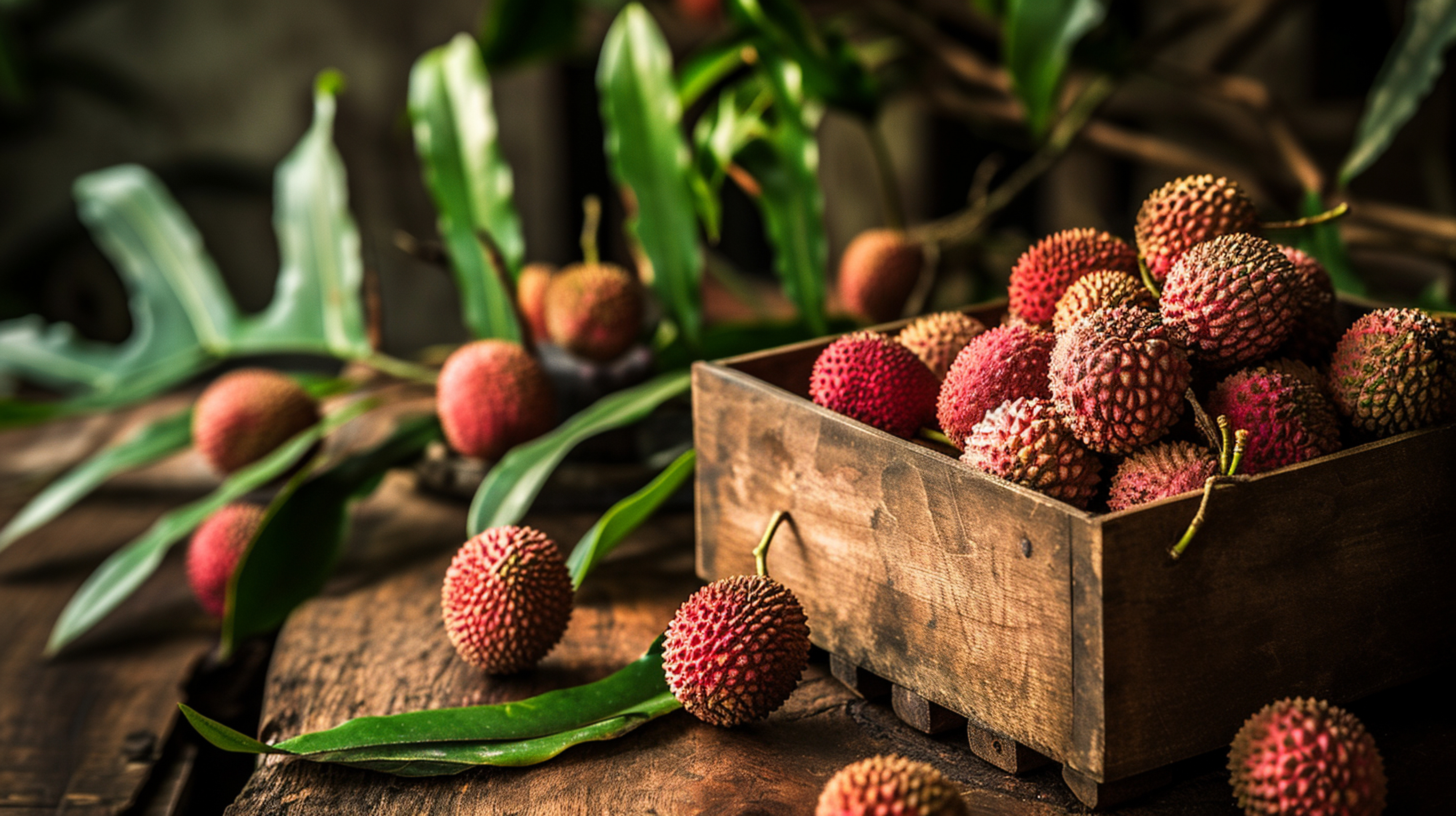
Litchi, scientifically known as Litchi Chinensis, is a tropical fruit from the soapberry family. This small, round fruit with rough, red skin is often called the “alligator strawberry” due to its bumpy texture. Native to China, litchi has a floral and sweet taste reminiscent of grapes. It’s not just a treat for the taste buds but also a nutritional powerhouse, rich in vitamins and minerals like Vitamin C, potassium, and copper.
Litchi also contains beneficial plant compounds such as epicatechin and rutin, which are known to protect against heart disease, cancer, and diabetes. However, litchi should be eaten fresh as they spoil quickly. Despite their benefits, overconsumption can lead to side effects like loose motions or an itchy throat, and eating unripened litchi can cause hypoglycemia. It’s always wise to consult a doctor before including litchi in your diet, especially for those on medication, pregnant women, and breastfeeding mothers.
| Rich in |
|
Vitamin C & antioxidants |
| Bonus |
|
Early studies say it boosts liver function |
| Best way to eat |
|
Eat it fresh (but not on an empty stomach or while fasting) |
Add to Basket
Rambutan: The Hairy Wonder

Rambutan, a close relative of litchi, stands out with its hairy, red exterior. The name rambutan comes from the Malay word for hair, aptly describing its unique appearance. This exotic fruit offers numerous health benefits, such as aiding in weight loss, improving digestion, and boosting immunity. Rambutan is rich in vitamins A and C, iron, calcium, and fibre, making it a superfood for overall wellness.
Rambutan’s creamy, sweet flesh with a hint of sourness makes it a versatile ingredient in Asian desserts, smoothies, puddings, and even savoury dishes like curries and salads. Its refreshing juice is a popular addition to cocktails, providing a unique, floral flavour. However, due to its glycemic index, it’s advisable to consult a doctor before consuming rambutan, particularly for pregnant or lactating women.
| Rich in |
|
Vitamin C, fibre & minerals |
| Bonus |
|
Known to aid digestion & control blood sugar |
| Best way to eat |
|
Eat it freshly peeled |
Add to basket
Longan: The Dragon’s Eye

Longan, often referred to as litchi’s little brother, is a small, round fruit with a smooth, yellowish-brown shell that hardens with age. Its name means “dragon’s eye” in Chinese, inspired by its black seed visible through the translucent flesh. Longan is native to South Asia and is celebrated for its sweet, juicy taste and numerous health benefits.
Packed with carbohydrates, protein, Vitamin C, and essential minerals, longan helps prevent inflammation, treat anaemia, reduce stress and boost libido. It’s also known for enhancing memory and learning, offering anti-cancer and anti-ageing effects. The seeds of longan have antifungal properties and are used in mouthwashes to combat oral infections. In the culinary world, longan adds a delightful sweetness to desserts, puddings, jellies, and salads.
| Rich in |
|
Vitamin C, magnesium & antioxidants |
| Bonus |
|
Believed to boost memory and immunity |
| Best way to eat |
|
Fresh or dried |
Add to Basket
Mangosteen: The Queen of Fruits

Mangosteen, often dubbed the “Queen of Fruits,” is renowned for its exquisite taste and rich nutritional profile. Unlike litchi, rambutan, and longan, mangosteen belongs to the Garcinia family. Native to Malaysia, this fruit has a thick, inedible purple rind and juicy, segmented white flesh with a sweet and tangy flavour.
Mangosteen is a non-climatic ripener, meaning it doesn’t ripen after being harvested. It is high in carbohydrates, vitamins B1, B2, B9, copper, manganese, and fibre. The fruit is known for its numerous health benefits, including improving urinary tract infections, treating diarrhoea, reducing menstrual issues, and enhancing mental health. Its juice is gaining popularity as a health drink, while the fruit, bark, and rind are used in traditional medicine to treat various conditions.
Despite its benefits, mangosteen should be consumed in moderation. Pregnant and lactating women, as well as individuals with bleeding disorders or those who have recently undergone surgery, should avoid mangosteen due to its blood-thinning properties.
| Rich in |
|
Vitamin C, fibre & xanthones |
| Bonus |
|
Known to combat inflammation & bacteria |
| Best way to eat |
|
Fresh, chilled, or freeze-dried |
Add to Basket
While litchi, rambutan, longan, and mangosteen share some similarities as tropical fruits, each brings its unique flavour, texture, and health benefits to the table. From the floral sweetness of litchi to the creamy richness of rambutan, the juicy delight of longan, and the tangy umami of mangosteen, these fruits offer a diverse range of tastes and nutritional advantages. However, it’s essential to consume them in moderation and seek medical advice if you have any health concerns. Enjoy these exotic fruits as part of a balanced diet to savour their unique qualities and health benefits.



Very well compiled and very informative. One addition I would like to make is that, before cosuming litchis , they should be dipped in water for atleast 2 hours along with it’s stem, this will eliminate throat and stomach problems. Another advice: break litchi from it’s stem, only before cosuming it.
Another point regarding Rambutan and Mangosteen, their sell is quite difficult to remove, and one may need a knife.
I love how detailed the comparisons between these exotic fruits are! Litchi and rambutan always confused me, but now it’s much clearer. Thanks for breaking it down so well.