When you throw something away, do you pause for a second to consider its destination? In an age where waste piles up at an alarming rate, it’s more important than ever to understand the true impact of proper waste segregation. It’s not just about being organised or following rules; it’s about being part of a global effort to preserve the planet, save resources, and promote a cleaner environment. But what exactly is waste segregation, and why does it matter so much?
The Basics of Waste Segregation: A Simple Yet Powerful Act
At its core, waste segregation is the process of separating different types of waste materials into distinct categories—often into biodegradable, recyclable, and non-recyclable groups. Imagine your trash as a puzzle that needs to be pieced together carefully. When each waste item is placed in the right bin, it can be processed in a way that’s most beneficial to the planet.

Did you know?
Around 40% of global waste is recyclable, yet only about 9% actually gets recycled. Just imagine the possibilities if every item were properly segregated from the start!
Waste Is a Resource, Not Just Trash

Most people view waste as something to get rid of. But in reality, waste can be an untapped resource. Recycled paper, glass, metals, and plastics can all be repurposed, saving resources, and energy, and reducing the need for landfills. Recycling aluminium, for example, uses 95% less energy than producing new aluminium from raw materials. So, every time you segregate waste correctly, you’re effectively saving energy and conserving natural resources.
 Interesting Fact:
It takes around 450 years for a single plastic bottle to decompose in a landfill. But by recycling it, that bottle can be reborn into something useful—whether it’s a park bench, clothing, or even a new bottle!
The Global Impact: Why It Goes Beyond Your Bin
Proper waste segregation is not just an individual choice—it has a ripple effect. Waste segregation contributes directly to reducing pollution, saving landfill space, and lowering carbon footprints. When items are sorted correctly, they avoid ending up in landfills or the ocean, where they can have devastating environmental effects, from harming wildlife to polluting water systems.
 Guess what? Guess what?
In some countries, waste segregation is so important that individuals are fined for not doing it properly! In Singapore, you could be penalised up to S$500 if you dispose of waste incorrectly. It’s a clear signal that waste segregation is more than just a good habit; it’s an essential part of maintaining a healthy planet. |
The Circular Economy: Closing the Loop

Segregating waste isn’t just about cleaning up; it’s about building a circular economy. This concept revolves around reusing and recycling resources to keep them in use for as long as possible. Think of it as a continuous loop, where materials are reused, remade, and transformed rather than tossed away. With proper waste segregation, materials are cleaner and easier to recycle, ultimately reducing the demand for new raw materials.
The Benefits You Didn’t Know About
- Reduces Pollution: Proper segregation helps reduce the amount of waste that ends up in rivers, oceans, and the air, which is crucial for preventing pollution.
- Saves Money: Recycling can often save cities money by reducing the amount of waste that needs to be incinerated or sent to landfills.
- Promotes Innovation: More waste segregation leads to increased demand for new technologies to process waste, encouraging innovation in waste management.
What You Can Do Right Now

So, what’s your role in all of this? It starts with a little awareness and a lot of action. Begin by identifying the different types of waste in your home—food scraps, recyclables like paper and plastic, and non-recyclables. Educate your family, friends, or colleagues about the importance of segregation, and make it fun! You can even turn waste segregation into a challenge, seeing who can collect the most recyclables each week.
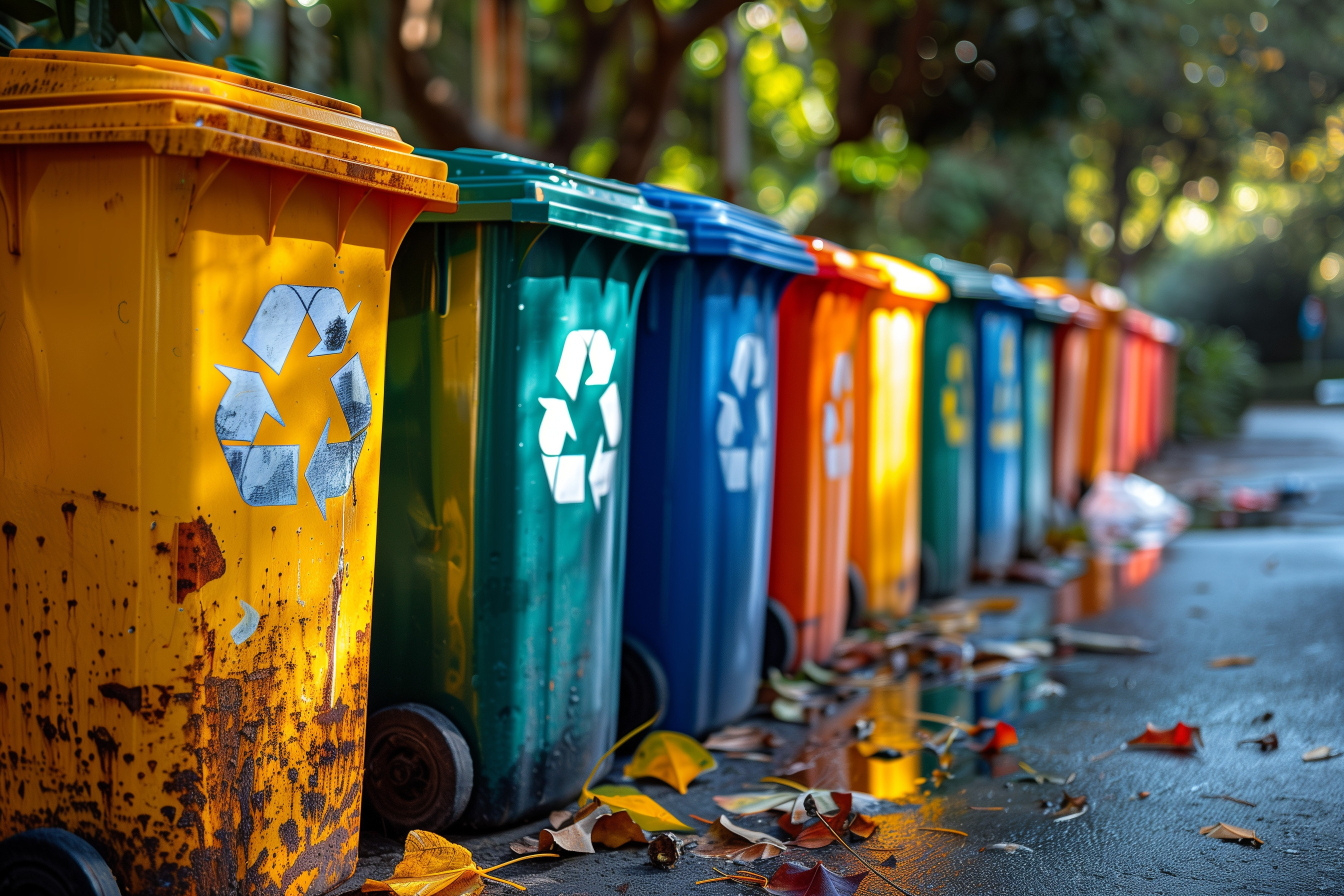
Pro Tip: Label your bins clearly with coloured tags or signs to make it easy for everyone to sort their waste correctly. The simpler it is, the more likely people are to follow through!
Conclusion: Waste Not, Want Not
Waste segregation is no longer just a nice-to-have—it’s a must-do. As we continue to tackle environmental challenges, each step we take matters. By putting in the effort to segregate waste properly, we’re not only improving the efficiency of recycling systems but also contributing to a more sustainable, eco-friendly world. It’s not a hard habit to form, and the benefits? Well, they’re immeasurable. Let’s take responsibility for the waste we create and transform it into a force for good.
Remember, the secret to proper waste segregation is simple: it’s about making informed, conscious choices every day that lead to a cleaner, greener planet. Ready to be a part of the solution? Your bin awaits.
If you like this post, a share would be epic!


Great article, thanks for sharing 😃