

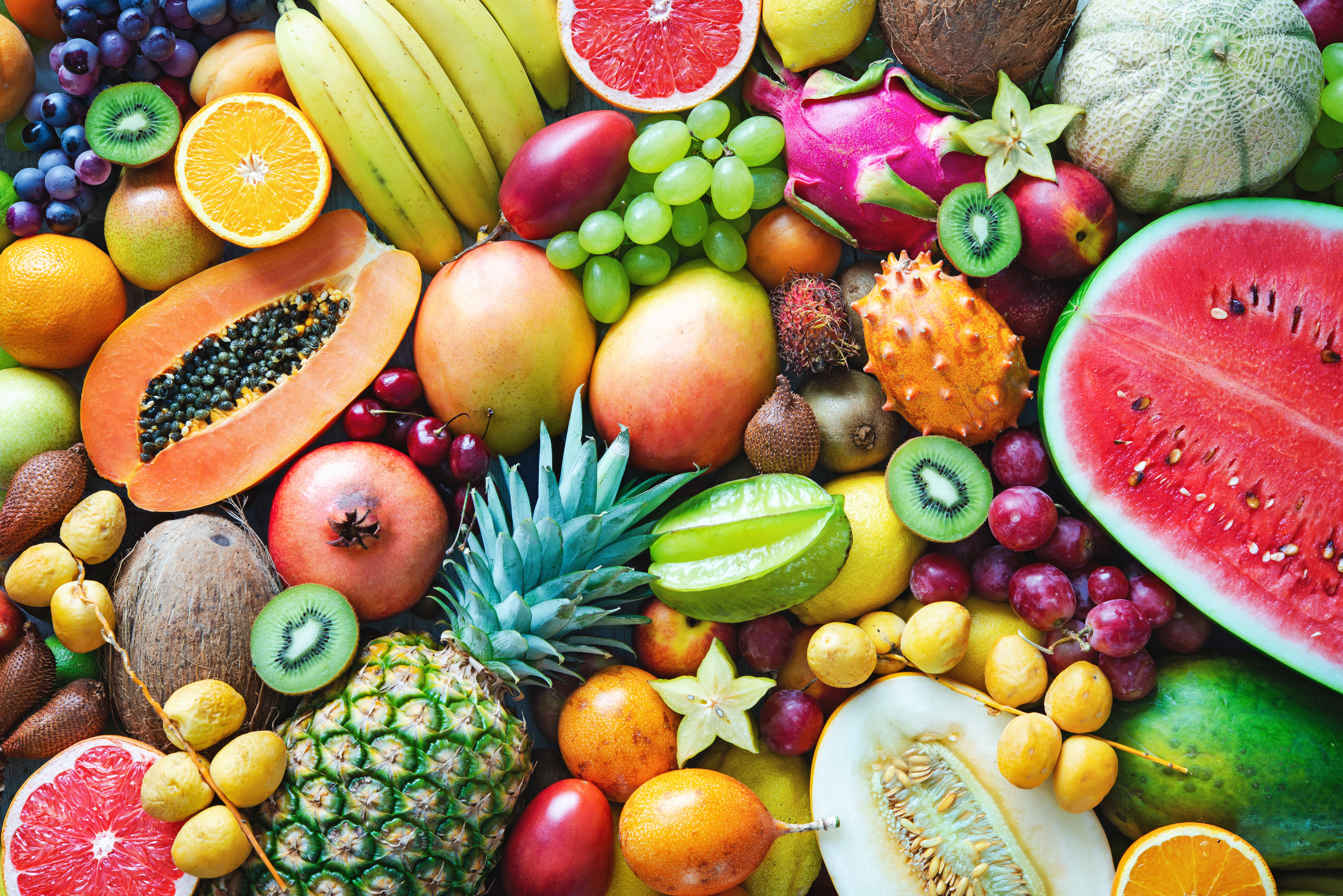
When we hear the word “sugar,” our minds often race to processed desserts and calorie-laden indulgences. But what happens when this sugar comes wrapped in nature’s packaging—like fruits? Many health-conscious individuals have begun to question whether fruits are as healthy as they appear, particularly due to their high sugar content. Let’s break down the myths and facts about sugar in fruits to set the record straight.
🍎 Myth #1: “Fruit sugar is just as bad as table sugar.”
Fact: The sugar in fruit—mainly fructose and glucose—comes bundled with fibre, water, vitamins, minerals, and antioxidants. Unlike refined sugar, which offers empty calories, fruit delivers a slow and steady energy release due to its fibre content. That means your blood sugar doesn’t spike as sharply as it does with processed sweets.
🍌 Myth #2: “Bananas and mangoes have too much sugar and should be avoided.”
Fact: While tropical fruits like bananas, mangoes, and grapes do have slightly more natural sugar than others, that doesn’t make them harmful. Their nutritional payoff—especially in potassium, vitamin C, and B6—makes them highly beneficial. Unless you have a specific medical condition (like uncontrolled diabetes), there’s no need to eliminate them from your diet.
🍇 Myth #3: “People with diabetes shouldn’t eat fruits at all.”
Fact: People with diabetes can eat fruits—but wisely. Whole fruits with a low to moderate glycemic index (like apples, pears, berries, guava, or oranges) are good options. What matters is portion control and avoiding fruit juices or dried fruits with added sugar. Whole fruits help improve insulin sensitivity thanks to their fibre and polyphenol content.
🍉 Myth #4: “Dried fruits are just as healthy as fresh fruits.”
Fact: Dried fruits like raisins or dates are calorie-dense and high in natural sugar per gram, as they lose water content but retain all the sugar. Some are even sweetened during processing. While they’re nutritious in moderation, they don’t replace the hydration, fibre bulk, or volume of fresh fruits. Think of them as concentrated versions—great for a quick energy boost but not a free-for-all snack.
🍓 Myth #5: “All fruits are equal when it comes to sugar.”
Fact: Not quite. Different fruits have different sugar levels and types. For instance:
-
Berries (strawberries, raspberries, blueberries) – low in sugar, high in antioxidants
-
Apples and oranges – moderate sugar, high fibre
-
Grapes and lychees – higher sugar per gram
-
Avocados and tomatoes – technically fruits, but with negligible sugar
So, the “fruit equals sugar” mindset is far too simplistic.
🌿 The Bigger Picture
Instead of fearing fruit, think about what else comes with it. Fruit sugar doesn’t exist in isolation—it’s part of a larger nutritional package. Plus, fruit consumption has been linked with reduced risks of heart disease, obesity, certain cancers, and better gut health.
If you’re watching your sugar intake:
-
Pair fruits with protein (like nuts or yoghurt) to slow digestion.
-
Choose whole fruits over fruit juices or smoothies.
-
Stick to 2–4 servings a day, depending on your activity level and health goals.
✅ Bottom Line
Fruits are not the villains in your diet. Demonising natural sugar without context leads to unnecessary restrictions and confusion. Instead, embrace fruits as allies in your wellness journey—packed with nutrients, fibre, and natural sweetness, your body knows how to handle them.
0 comments on “Sugar in Fruits: Myths vs Facts”