

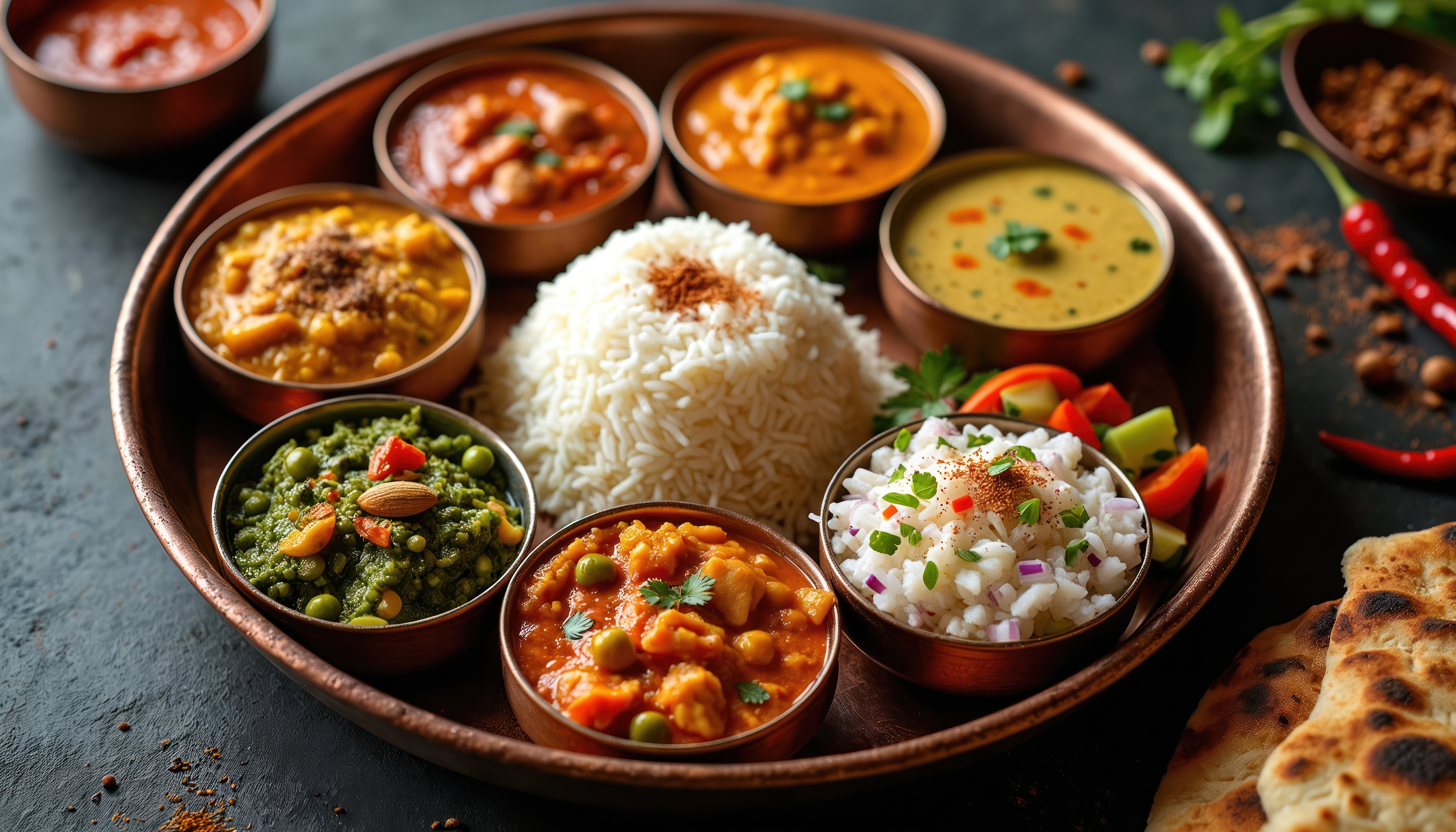
For years, most of us believed that rice or roti with dal made a complete, balanced meal. It’s comforting, familiar, and a staple across Indian homes—yet it’s not enough. Dal alone can’t meet your protein needs, nor does this classic combo deliver essential micronutrients like iron, calcium, healthy fats, or Vitamin B12. The result? Quick hunger, low energy, nutrient gaps, and sluggish metabolism.
The truth is simple: your thali needs more colour, more variety, and a few smart additions to become truly balanced.
The Nutrition Myth: What’s Missing?
The common belief is that since dal (lentils/pulses) are rich in protein and roti (wheat) or rice are rich in carbohydrates, you’ve got a complete meal. The truth is that a seemingly simple plate is missing two critical components, especially for Indians who are overwhelmingly prone to deficiencies:
1. The Missing Protein Punch (Quantity and Quality)
While dal contains protein, the quantity is often insufficient for an entire meal, especially for active individuals. For example, a typical serving of cooked dal might only provide 7-10 grams of protein. An average adult needs significantly more than that per meal to optimise muscle maintenance, satiety, and metabolism.
Furthermore, plant-based proteins are often “incomplete,” meaning they lack one or more of the nine essential amino acids. The combination of dal and wheat/rice does help, as the limiting amino acids complement each other, but the overall density of protein remains low.
2. The Micronutrient Gap
This is where the traditional plate truly falls short. Where are your healthy fats? Where are the vitamins and minerals that fuel everything from your immune system to your brain health?
A plate of just carbs and a little protein lacks the essential Omega-3s, Vitamin D, Iron, and Vitamin B12—all common deficiency areas in the Indian population. Without an intentional focus on vegetables and healthy fats, your dal and roti meal becomes an energetic but nutrient-poor foundation.
🎨 The 4-Pillar Model for a Balanced Plate
To address these gaps, we need to transform the traditional plate using a simple 4-pillar model. Think of your plate as a clock face, divided into four intentional sections:
Pillar 1: The Complex Carb Base (40% of the Plate)
This is the energy core. It should be rich in fibre for sustained energy, blood sugar control, and gut health.
-
Upgrade your staples: Move away from refined white rice and maida-based products.
-
Opt for: Ragi roti (finger millet), whole wheat chapati (preferably made with multigrain atta), brown rice, jowar roti (sorghum), or a large bowl of complex carbohydrates like rajma (kidney beans) or chana (chickpeas) that offer both fibre and protein.
Pillar 2: The High-Quality Protein Source (30% of the Plate)
This pillar must be dense in protein—the true star of the meal for satiety and muscle health. While your dal can remain, it needs an intentional friend or a complete replacement for a few meals a week.
-
Maximise: 1-2 fist-sized servings of high-quality protein.
-
The Go-To List:
-
Vegetarian: Tofu/Paneer scramble, a bowl of thick Greek yoghurt (dahi), high-protein dal like moong or masoor cooked thick, a serving of besan cheela (chickpea pancake), or sundal (dry lentil salad).
-
Non-Vegetarian: Egg curry (2 eggs), chicken breast/thigh (curried or dry), fish like salmon or mackerel (excellent for Omega-3s).
-
Pillar 3: The Fibre-Rich Vegetable Component (25% of the Plate)
This is the micronutrient powerhouse. This portion is non-negotiable and should fill nearly a third of your plate. These foods provide the Iron, Vitamin K, and antioxidants you need.
-
Always Include: A large serving of a vegetable preparation. It can be a dry sabzi (spinach, gourds, cauliflower), a mixed vegetable sambhar, or a simple raw salad.
-
Focus on Diversity: Don’t eat the same vegetable every day. Prioritise green leafy vegetables (spinach, fenugreek leaves) and vibrant colours (carrots, tomatoes, bell peppers). A fresh cucumber and tomato salad with a squeeze of lime is a simple winner.
Pillar 4: The Essential Healthy Fats & Micronutrient Booster (5% of the Plate)
This is the smallest but most critical pillar, essential for absorbing fat-soluble vitamins (A, D, E, K) and providing anti-inflammatory benefits.
-
Add Ins: A teaspoon of high-quality Ghee on your roti or rice, a handful of nuts/seeds (akhrot, flaxseeds, sunflower seeds) in your dal or sabzi, or a simple garnish of coconut shavings, peanuts, or ground sesame seeds.
-
Bonus: A spoonful of fresh curd (dahi) or raita is a great source of probiotics and adds a cooling element, helping with nutrient absorption.
🥗 A Week of Balanced Plates
Putting this into practice doesn’t mean sacrificing the flavour or convenience of Indian cooking. It simply means being smarter about the combinations:
| Traditional Meal (Needs Upgrade) | Balanced 2025 Plate | Key Upgrade |
| Lunch: Plain white rice + thin toor dal | Lunch: Brown rice + thick moong dal + a generous serving of stir-fried bhindi (okra) | Thicker Dal, Brown Rice, Added Veggie |
| Dinner: Two rotis + a potato sabzi | Dinner: One jowar roti + paneer bhurji + a side salad of grated carrot and cucumber | Potato Swapped for Protein (Paneer), Carb Reduced, Raw Salad Added |
| Breakfast: Poha (flattened rice) | Breakfast: Poha cooked with a handful of peanuts, shredded paneer, and a generous amount of chopped vegetables (peas, carrots) | Protein and Veggies Added |
Embrace this 4-pillar model today. By making these small, intentional shifts—thickening your dal, prioritising protein density, and dramatically increasing your vegetable intake—you transform a good meal into a great one. You’re not just eating; you’re fueling your body with everything it needs to thrive in 2025 and beyond.
Your dal is comforting, but your balanced plate is powerful. Start building it today.
0 comments on “Your Dal Isn’t Enough: How to Build a Balanced Indian Plate”