

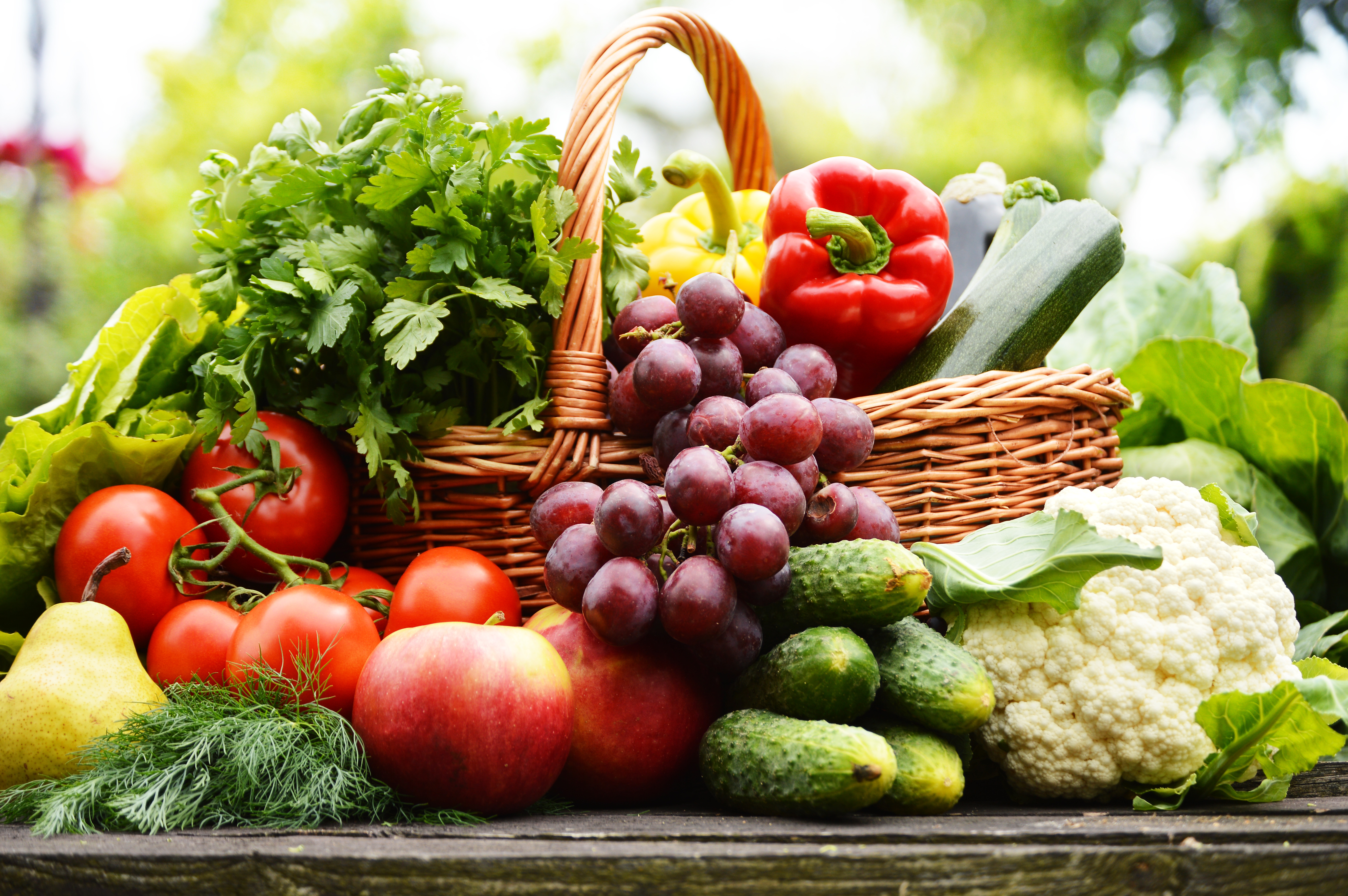
In a world where strawberries are available in December and watermelons sit on supermarket shelves well into autumn, it’s easy to forget that food once had a rhythm—a season. But behind the convenience of year-round availability lies a deeper truth: our bodies, the environment, and even local economies thrive when we align our plates with nature’s calendar.
Seasonal eating isn’t a fleeting food trend. It’s a mindful return to the way our ancestors lived—one harvest at a time. And it holds more value today than ever before.
1. Better Taste, Real Freshness
Let’s start with the obvious: flavour. Seasonal produce is harvested at its peak—when it’s naturally ripe, full of juice, and rich in taste. A tomato picked in peak summer carries an intensity and sweetness you won’t find in its winter-grown counterpart from a hothouse or cold storage.
Why? Seasonal fruits and veggies don’t sit on a ship or in refrigerated trucks for weeks. They spend more time on the plant and less time in transit, so what you’re tasting is freshness in its purest form.
2. Higher Nutritional Value
It’s not just about taste. Seasonal produce is nutritionally superior, too. When fruits and vegetables are allowed to mature naturally in their ideal growing conditions—right temperature, soil health, sunlight exposure—they develop a richer profile of vitamins, minerals, and antioxidants.
Think of winter squash, which comes into season during colder months—it’s loaded with beta-carotene, crucial for immune support. Or leafy greens in spring, rich in folate and vitamin C, when your body needs a detox boost. Nature gives us what we need when we need it.
3. Better for the Planet
Out-of-season produce requires artificial manipulation—heated greenhouses, forced lighting, or chemical preservatives—to mimic natural growing conditions. Add to that the fuel and refrigeration needed for global transport, and you’ve got a heavy environmental footprint for that one bell pepper.
Seasonal eating lowers your carbon footprint. It reduces the need for long-haul transportation, energy-intensive storage, and packaging. Supporting local, seasonal food means you’re contributing less to greenhouse gas emissions—and more to sustainable, regenerative agriculture.
4. Support for Local Farmers
When you eat with the seasons, you’re likely buying local. That’s a direct line to the people who grow your food. Local farmers benefit from a steady demand for what grows naturally, reducing their dependency on synthetic methods or genetically modified crops.
This also fosters a stronger consumer-producer relationship. Whether you’re shopping at a weekend farmers’ market or through a local grocery that sources regionally, your money is cycling back into your community, not into global freight systems.
5. Saves You Money
Out-of-season produce comes at a cost—not just environmentally, but financially. Items shipped from afar or grown in artificial environments are expensive to produce and store. That cost gets passed on to you.
Seasonal produce, on the other hand, is abundant, harvested in bulk, and often cheaper. Less need for preservatives, less packaging, and lower transport costs mean better prices at checkout. Eating seasonally allows you to enjoy high-quality, fresh ingredients while stretching your grocery budget further.
6. Reintroduces Variety into Your Diet
Strawberries every day of the year might sound appealing, but it’s also monotonous. Seasonal eating introduces natural rotation into your meals. You eat mangoes when they’re at their juiciest, gorge on fresh greens in spring, and embrace hearty roots in winter.
This encourages you to try new recipes, experiment with ingredients you may not have cooked with, and stay nutritionally diverse. It’s a built-in system for both curiosity and health.
Seasonal Fruits and Vegetables in India
| Season | Fruits | Vegetables |
|---|---|---|
| Spring (Mar–May) | Watermelon, Musk melon, Pineapple, Papaya, Guava | Cucumber, Bottle gourd, Pumpkin, Bitter gourd, Ridge gourd |
| Monsoon (Jun–Sep) | Jamun, Mango, Lychee, Chikoo, Peach | Corn, Ash gourd, Snake gourd, Cluster beans, Tinda |
| Autumn (Oct–Nov) | Custard apple, Pomegranate, Apple, Banana, Pear | Sweet potato, Brinjal, Yam, Carrot, Knol khol |
| Winter (Dec–Feb) | Oranges, Grapes, Kiwi, Strawberries, Amla | Spinach, Methi, Mustard greens, Radish, Turnip |
A Return to Simplicity—with Impact
Seasonal eating isn’t about restriction—it’s about rhythm. A way to realign your eating habits with the natural cycles of the earth, to taste more, waste less, and live better.
When you tune into the seasons, you start to notice food differently. You eat tomatoes because it’s summer, not because they’re always there. You look forward to citrus in the winter and fresh corn in the monsoon. That anticipation isn’t just poetic—it’s practical. It’s how we were meant to eat.
Click here to buy fruits and vegetables from bigbasket
0 comments on “Nature’s Timing, Your Table: Why Seasonal Eating Truly Matters”