

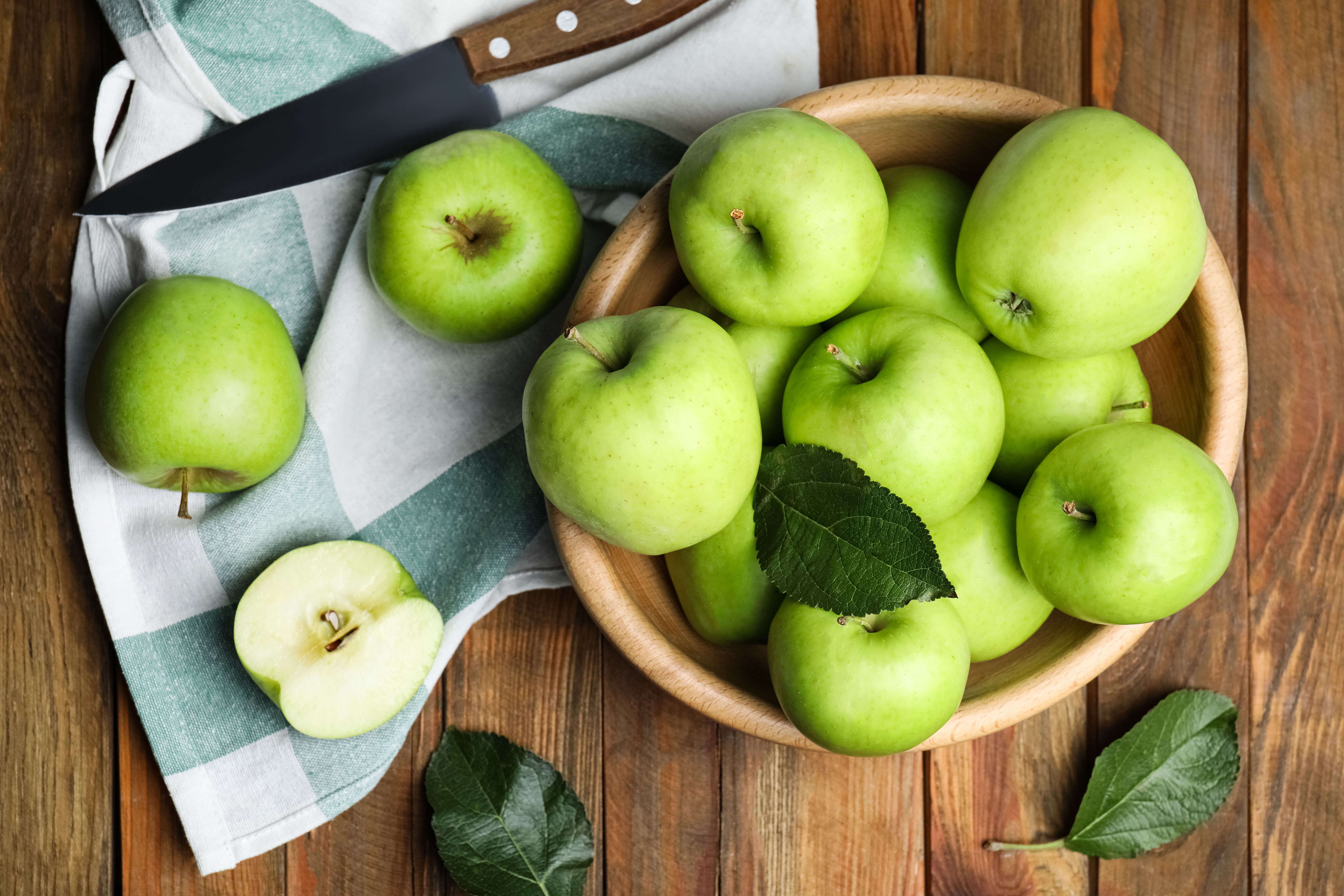
Once upon a tart—there was a fruit so crisp, so sharp in taste, it made its mark around the world. In India, we often reach for bright red apples from Himachal or Kashmir. But it’s the green apple, with its striking hue and tangy punch, that has become a favourite for salads, smoothies, and skincare rituals alike. Ever wondered where it came from, and why it’s so different from desi apples? Let’s uncover the fascinating backstory of the green apple—especially the popular Granny Smith—and how this tart fruit found its way into Indian kitchens.
A Happy Accident from Australia
The green apple we know today didn’t originate in India—it was discovered by accident in Australia in the 1860s. The story goes back to Maria Ann Smith, an English immigrant living near Sydney. She was known for growing apples and tossing out leftover fruit scraps in her backyard.
One day, from those scraps, a seedling sprouted, bearing apples that were bright green, tart, and firmer than usual. These apples didn’t bruise easily, lasted longer in storage, and tasted great in pies and preserves. After Maria’s passing, the variety was named Granny Smith in her honour.
Over time, the Granny Smith apple became a global sensation, exported to Europe, the U.S., and eventually introduced to India as an exotic variety, especially in premium supermarkets and gourmet recipes.
Green Apples in the Indian Market
Unlike the native red apples from Himachal Pradesh and Jammu & Kashmir, green apples in India are usually imported from countries like the USA, Australia, New Zealand, or Italy. However, due to growing demand, a few Indian farmers—especially in Himachal—have started experimenting with growing these apples in local conditions.
Today, you’ll find green apples:
- In upmarket fruit stalls and supermarkets
- In salads at cafes and restaurants
- As a staple in detox diets and weight-loss smoothies
- And surprisingly, in DIY skincare routines, thanks to their high antioxidant content
What Makes Green Apples Different?
Let’s break down what sets green apples apart from our regular red ones:
- Tangy Taste: Their sharp, tart flavour is due to malic acid, which is more prominent in unripe or less sweet apples.
- Tougher Skin: Green apples are firmer, making them ideal for baking, slicing, or juicing.
- Low in Sugar: They have less natural sugar compared to sweet red apples—ideal for diabetics and weight watchers.
- Stays Fresh Longer: Their resistance to browning means they stay fresher even after slicing.
Health Benefits of Green Apples
In Indian households, we’re always looking for fruits that support good health. Green apples fit right in:
- Improves Digestion: Thanks to their pectin content, green apples help regulate digestion and promote gut health.
- Controls Sugar Spikes: Their low glycemic index makes them suitable for diabetics when eaten in moderation.
- Aids Weight Loss: High in fibre, low in calories, and keeps you full—perfect for a mid-morning snack.
- Good for Skin: Rich in vitamin C and antioxidants, they help fight free radicals and support a glowing complexion.
- Hydration Support: With over 85% water content, they help beat dehydration, especially during India’s scorching summers.
Desi Twists on Green Apples
While green apples are often associated with salads or pies, Indians have found creative ways to enjoy them:
- Green Apple Chaat: Toss chopped green apples with chaat masala, lime juice, kala namak, and mint—a refreshing snack!
- Green Apple Pachadi (South India): A tangy twist to the traditional dish, perfect as a side for rice.
- Green Apple Pickle: Inspired by raw mango pickle, this version uses green apple, mustard seeds, and red chilli for a spicy kick.
Green Apple Trivia You Might Not Know
- The first Granny Smith apple was grown in 1868 from discarded fruit scraps.
- Apples belong to the Rosaceae (rose) family.
- The apple tree that bore the first green apple was discovered behind a creek, growing wild!
- A medium-sized green apple has around 4 grams of fibre—that’s 15% of your daily requirement.
- In India, green apples are usually more expensive due to import duties and shipping costs.
Conclusion
The green apple’s tart tale began far from India—but it’s become a global favourite that sits proudly alongside our local fruits. Whether you’re biting into one raw, blending it into a smoothie, or turning it into chaat, the green apple brings more than just crunch—it brings history, health, and a hint of international flair to your plate.
So the next time you’re shopping for apples, go ahead—pick the tart one. It has a juicy story to tell.
0 comments on “Once Upon a Tart: The Origin Story of Green Apples”