Food & Nutrition

Do You Really Need Multigrain Atta? The Truth No One Shares

Health gurus swear by it. Multigrain atta has become the gold standard for home cooks aiming for a “healthier” lifestyle. But before you swap out your trusted whole wheat atta (chakki atta) for the latest blend, let’s pause. Is this trendy, multi-ingredient flour truly the nutritional powerhouse it claims to be, or is it just another marketing marvel?

We’re cutting through the hype to reveal what multigrain atta actually is, how it’s made, and—most importantly—what the ingredient list won’t tell you.

🤔 What Exactly is Multigrain Atta?

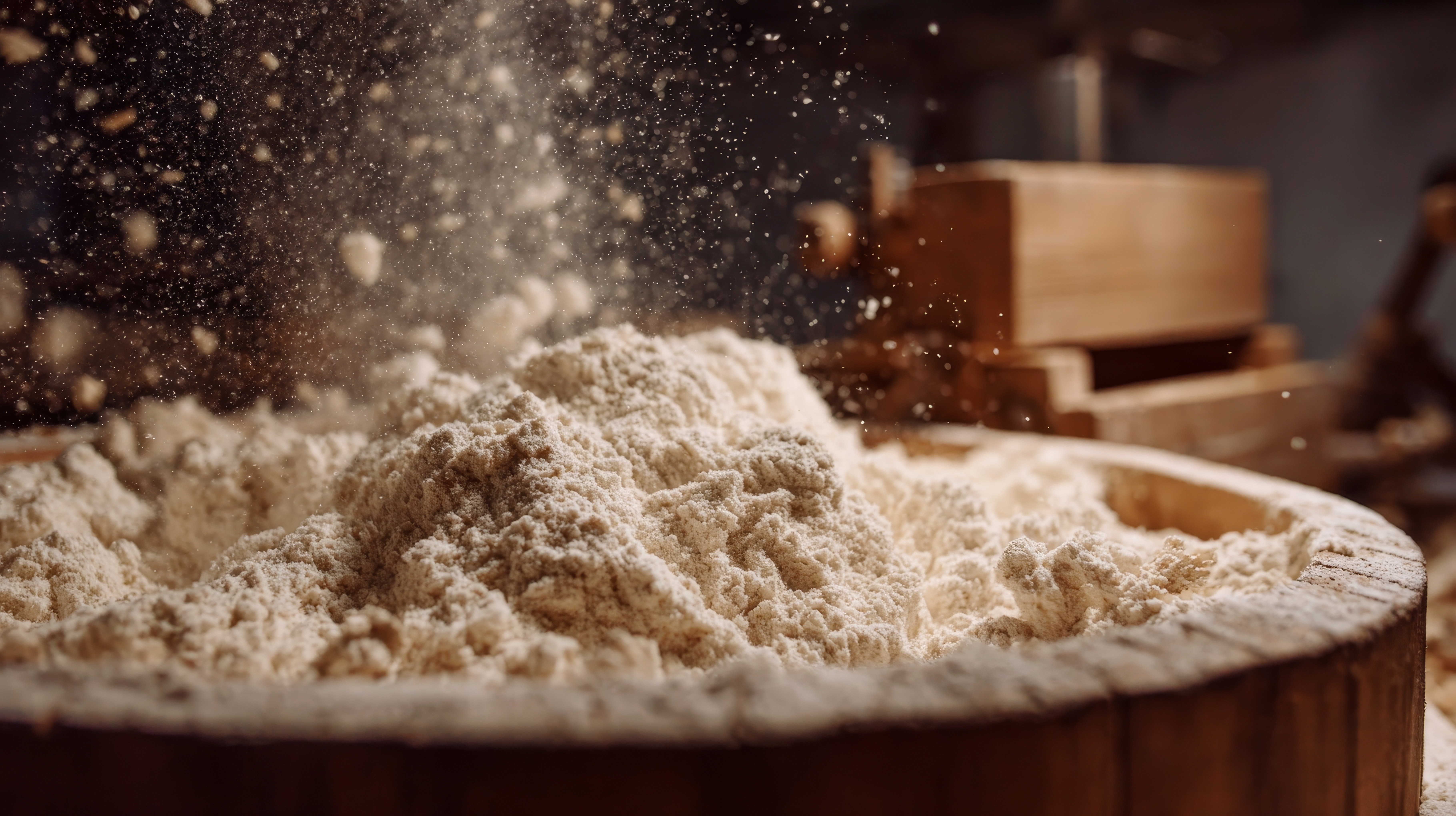
In simple terms, multigrain atta is a flour blend made by mixing more than one type of grain—hence the name “multi-grain.”

The base of any atta (flour) blend in India is almost always wheat. Multigrain atta then incorporates flours from other cereals and pulses to enhance its nutritional profile.

How Is It Made?

The process is straightforward:

  1. Selection: A mix of grains is chosen. Common additions include oats, barley (jau), maize (makki), sorghum (jowar), finger millet (ragi), and various pulses/legumes (chana, soy).
  2. Milling: All the selected grains are cleaned and then milled together, or sometimes milled separately and then blended, to form a fine atta (flour).
  3. Packaging: The resulting flour is packaged and labelled as “multigrain.”

🧐 The Misconceptions vs. The Reality

Rather than using a table, here are the common claims — and what they actually mean:

Misconception 1: “It’s 100% whole grain.”

Reality: Not always. Some blends contain refined wheat flour (maida) or processed flours. Unless the packaging explicitly says 100% whole grain, assume it’s a mix.

Misconception 2: “It has much more fibre than whole wheat.”

Reality: Only if high-fibre grains are added in meaningful quantities.
If the blend is 90% wheat and 10% millets/oats, the fibre difference is minimal.

Misconception 3: “It’s a miracle food for weight loss.”

Reality: No single flour causes weight loss.
Multigrain atta can help you feel fuller because of its higher fibre and protein—leading to reduced calorie intake. That’s the real benefit.

💡 The Real Nutritional Upside (The Unseen Benefits)

When formulated correctly, multigrain atta does offer genuine nutritional advantages, but the key is diversity:

🌾 Enhanced Fibre and Protein

The added grains (especially oats, barley, and millets) introduce different types of dietary fibre that whole wheat may lack. This supports better gut health and helps regulate blood sugar levels. The inclusion of pulses like soybean or chana often boosts the overall protein content of the blend, which is crucial for satiety and muscle repair.

✨ A Broader Spectrum of Micronutrients

This is where the multi-grain advantage truly shines. Different grains offer different vitamins and minerals:

  • Ragi (Finger Millet): High in calcium.
  • Jowar/Bajra (Sorghum/Pearl Millet): Good sources of iron and B vitamins.
  • Oats/Barley: Provide heart-healthy beta-glucans.

By mixing grains, you inherently broaden your micronutrient intake compared to consuming just one type of grain.

🤫 What No One Tells You About Multigrain Atta

This is the insider knowledge that often gets lost in the marketing noise:

1. The Proportion Rule

This is the most critical fact: The first ingredient listed is the dominant ingredient. Most multigrain attas list “Wheat” or “Whole Wheat Flour” first, followed by a long list of other grains. In many commercial blends, the “multi-grains” make up a very small percentage—sometimes as little as 5% to 15% of the total blend. If the percentage of added healthy grains is low, the nutritional benefit is minimal.

2. The Wheat vs. Multigrain Trade-Off

  • Whole Wheat Atta (Chakki Atta): This is made by grinding the entire wheat kernel (bran, germ, and endosperm). It is naturally high in fibre (around 10-12g per 100g) and is a complete whole grain.
  • Multigrain Atta: It offers more protein and a wider range of micronutrients than whole wheat, but the total fibre might not be significantly higher unless the added grains are high in fibre and added in a substantial amount.

In essence, high-quality whole wheat atta is often nutritionally superior to a poor-quality, wheat-dominant multigrain blend.

3. The Taste and Texture Compromise

Adding high-fibre grains like millets can make the dough harder to knead and the resulting rotis less soft and more likely to tear. To counteract this, some commercial brands may add agents or slightly processed flours, impacting the “whole grain” integrity.

✅ Who Should Choose Multigrain Atta?

While everyone can benefit from a diverse diet, multigrain atta is particularly beneficial for:

  • People with Low Dietary Diversity: If your diet consists almost entirely of wheat and rice, switching to multigrain atta is a great, easy way to introduce the benefits of millets, oats, and barley.
  • Those Needing a Protein Boost: Individuals who struggle to meet their daily protein requirements (vegetarians, older adults) can benefit from blends that incorporate soy or chana flour.
  • People with Specific Micronutrient Deficiencies: If a doctor or nutritionist recommends increasing a specific nutrient (like iron or calcium), a blend rich in the corresponding millet (like ragi for calcium) can be helpful.

❌ Who May Not Need It?

  • If you already follow a balanced diet that regularly includes a variety of whole grains, millets, and pulses (like oats for breakfast, millets in other meals, or regular dal), a good-quality whole wheat atta is perfectly sufficient and often more cost-effective.
  • The bottom line? Read the ingredient list on the product page. If wheat is the overwhelming majority, and the price is significantly higher, you might be better off sticking to a high-quality, 100% whole wheat atta and adding diversity to your diet through other meals.

🛒 Ready to explore the best choice for your kitchen? Find your perfect Multigrain Atta today!

0 comments on “Do You Really Need Multigrain Atta? The Truth No One Shares

Leave a Reply

Discover more from Bigbasket Lifestyle Blog

Subscribe now to keep reading and get access to the full archive.

Continue reading