

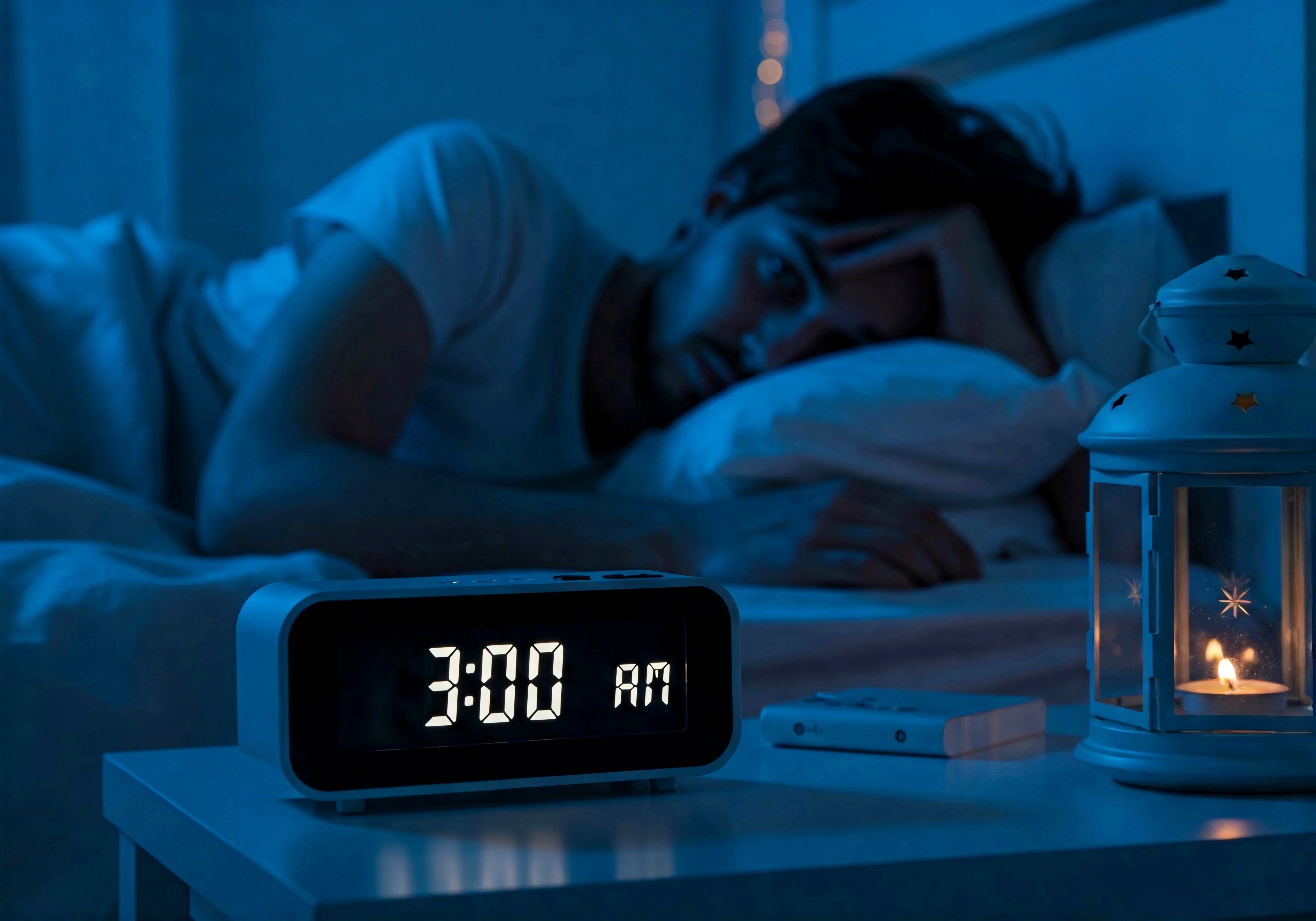
Ever find yourself wide awake at 3 AM, scrolling your phone, staring at the ceiling, or questioning life choices? Don’t worry—you’re not cursed. Your brain is just playing a little chemical tug-of-war, and serotonin is one of the key players. Let’s break down why your sleep sometimes takes a night off and how this “happy hormone” ties into the mystery of your 3 AM wake-up calls.
First things first: What is serotonin?
Serotonin is often nicknamed the “feel-good chemical” because it regulates mood, appetite, and even digestion. But here’s the fun twist—it’s also tightly connected to your sleep. In fact, serotonin is like the backstage manager for your body clock, deciding when it’s time to chill, when to feel drowsy, and eventually when to drift into dreamland.
Think of it this way: serotonin sets the stage, but melatonin (the actual sleep hormone) steals the show. Without serotonin, melatonin doesn’t get the cue to rise.
So why 3 AM?
Here’s where things get interesting. Waking up in the middle of the night—especially around 3 AM—isn’t random. It often connects to:
-
The circadian rhythm shift – Your body temperature dips, melatonin production starts to drop, and serotonin isn’t always there to smooth the transition back into deep sleep.
-
Cortisol creeping in – Around 2–4 AM, your stress hormone cortisol begins to rise, preparing your body for the day ahead. If serotonin is low, cortisol takes centre stage too quickly—cue the “why am I awake?” moment.
-
Brain overdrive – Serotonin affects how calm or restless your thoughts are at night. When levels aren’t balanced, you may wake up with a racing mind.
The serotonin-sleep paradox
Here’s the fun contradiction: serotonin both promotes sleep and keeps you awake. Sounds messy, right? But it’s all about timing.
- Daytime: Serotonin keeps you alert, focused, and upbeat.
- Nighttime: Your brain uses serotonin to create melatonin, which helps you fall and stay asleep.
Too little serotonin? You may struggle to doze off or wake too often. Too much at the wrong time? Your brain feels too “switched on” to rest.
Common reasons serotonin misbehaves at night
1. Diet gaps – Serotonin is made from tryptophan (an amino acid found in foods like eggs, nuts, and dairy). Without enough of these in your diet, production takes a hit. Try adding fresho! brown eggs or bb Royal almonds to your daily meals for a natural serotonin boost.
2. Stress overload – Chronic stress drains serotonin stores while spiking cortisol. The combo is basically insomnia’s BFF. Soothe stress with a calming cup of chamomile & lavender herbal infusion.
3. Screen time – Blue light tricks your brain into thinking it’s still daytime, suppressing melatonin and throwing off the serotonin-to-melatonin handoff.
4. Caffeine & alcohol – Both mess with serotonin activity. That “nightcap” may help you doze off, but it often wakes you around—you guessed it—3 AM. Swap your late coffee for chamomile tea.
How to keep serotonin on your side
Here’s the good news: you don’t have to be at the mercy of brain chemistry. Small daily tweaks can help your serotonin work with your sleep, not against it.
- Load up on tryptophan-rich foods – Think oats, bananas, and seeds.
- Get morning sunlight – Natural light helps your body release serotonin during the day and convert it into melatonin at night.
- Move your body – Exercise (even a 20-minute walk) naturally boosts serotonin.
- Practice a wind-down ritual – Reading, journaling, or meditating helps signal serotonin to switch gears for sleep. Set the mood with scented candles.
- Limit screens before bed – If you can’t, at least use blue-light filters or night mode.

Did you know? |
When to check in with a pro
If those 3 AM wake-ups become the norm, it could be more than just a serotonin slip. Conditions like sleep apnea, anxiety, or even depression can mess with this delicate chemical balance. A sleep specialist or doctor can help figure out if there’s more at play.
Bottom line
Serotonin is both your daytime cheerleader and your nighttime assistant. But when it doesn’t play nice—whether due to stress, diet, or lifestyle—you might find yourself having nightly meet-and-greets with your ceiling fan at 3 AM.
The fix isn’t about chasing perfect sleep chemistry but nudging your body back into rhythm with simple, consistent habits. So the next time you’re awake at 3 AM, don’t blame fate—blame biochemistry. And maybe take it as a sign to add more bananas, sunlight, and screen-free evenings into your day.
Thank You