Food & Nutrition

Is Ghee Really Healthier Than Oil? Here’s the Breakdown

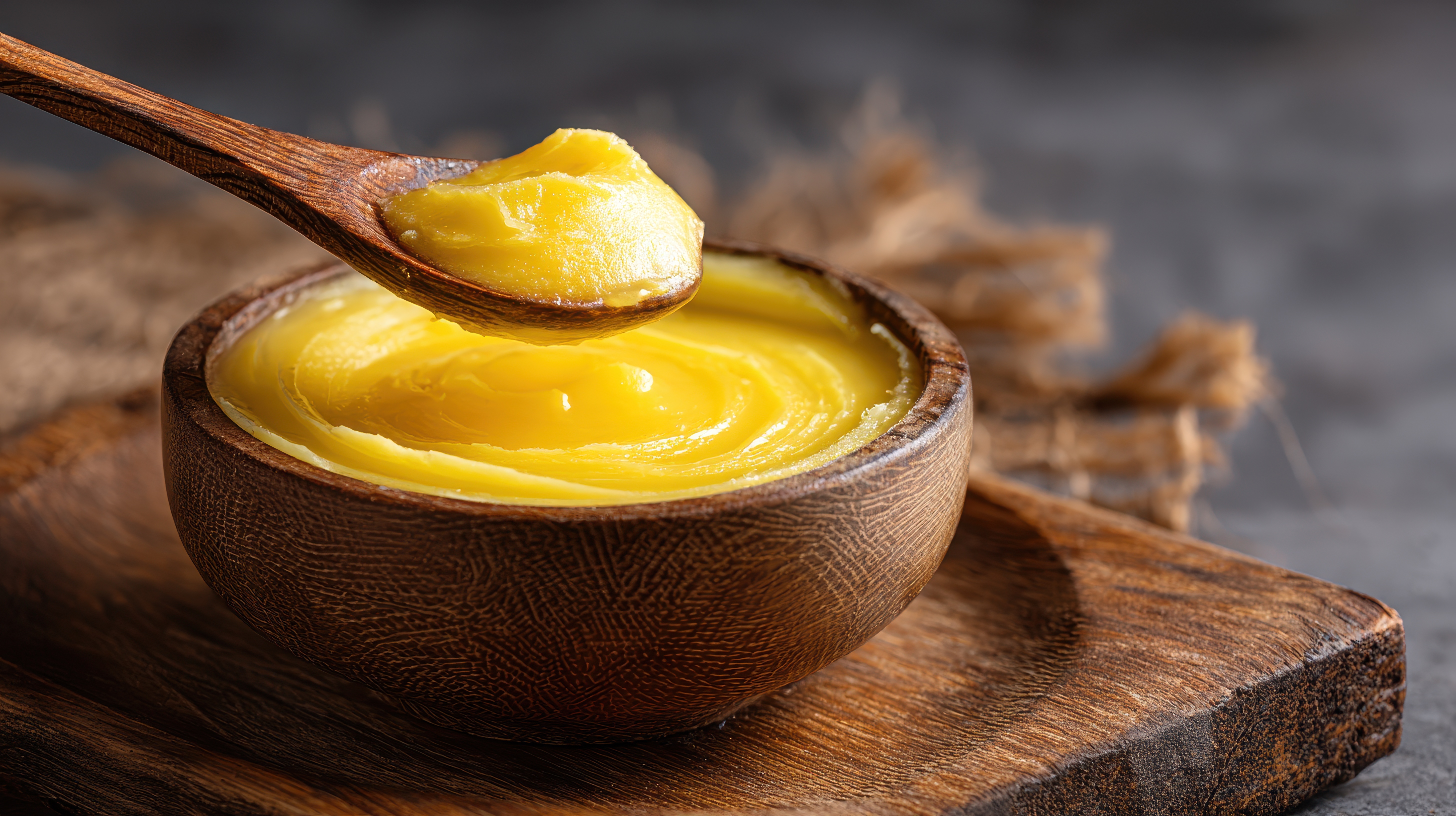
The debate has simmered in kitchens and health forums for decades: Is ghee—that golden, fragrant clarified butter integral to South Asian cuisine—truly a superior choice over your everyday cooking oil?

It’s easy to be confused. One moment, coconut oil and olive oil are hailed as heart-healthy heroes; the next, traditional wisdom champions ghee for its digestion benefits and rich flavour. Both are fats, both are essential for cooking, and both have passionate advocates. To settle this, we need to move past the marketing hype and look at the simple science behind these two kitchen staples.

🔬 The Science of Production: How They’re Made

Understanding how ghee and oil are produced reveals their fundamental differences:

Cooking Oils (vegetable, seeds & nuts): These are typically extracted from plant sources (seeds, fruits, nuts).

  • Refined oils (e.g., canola, soybean): Go through extensive processing, often involving heat and chemicals, to remove impurities, neutralise flavour, and create a high-volume, shelf-stable product.
  • Unrefined oils (e.g., Extra virgin olive oil): Are minimally processed, often just cold-pressed, retaining more nutrients, flavour, and antioxidants.

Ghee (Clarified Butter): It starts as butter. The butter is slowly heated until the water evaporates and the milk solids (lactose and casein protein) separate and caramelise at the bottom. The resulting golden liquid is strained, leaving behind pure fat.

The Key Takeaway: Ghee is essentially pure fat derived from butter, with the milk proteins removed. Oils are fats extracted from plants, often with varying degrees of processing.

📊 Fat Composition: Saturated vs. Unsaturated

This is where the biggest differences sit — especially for heart health.

Ghee’s Fat Profile

  • Primarily saturated fat (around 60–65%)

  • Contains beneficial compounds like butyric acid and CLA (Conjugated Linoleic Acid), both linked to gut support and metabolism

Cooking Oils’ Fat Profile

  • Mostly unsaturated fats, including:

    • Monounsaturated fats (MUFAs) — e.g., oleic acid in olive oil

    • Polyunsaturated fats (PUFAs) — like omega-3s and omega-6s in seed and nut oils

Why it matters:
Ghee’s high saturated fat means moderation is essential, especially for those managing cholesterol. Oils, particularly MUFA- and PUFA-rich ones, are more heart-friendly when replacing saturated fats.

🔥 The Smoke Point Showdown

The smoke point is the temperature at which a fat starts to break down and smoke, releasing harmful free radicals and a burnt flavour. Cooking above the smoke point degrades the fat and can be unhealthy.

High Smoke Point (Ghee): Ghee has a smoke point of approximately 485°F (250°C). This makes it extremely stable and ideal for high-heat cooking methods like deep frying, stir-frying, and roasting.

Varying Smoke Points (Oils):

  • Refined oils: High smoke point, often suitable for frying.
  • Unrefined oils: Lower smoke point (≈ 375°F), best reserved for low-to-medium heat cooking, dressings, and finishing dishes.

✅ When is Ghee Healthier?

Ghee has a distinct edge in a few scenarios:

  1. High-Heat Cooking: Due to its superior smoke point, using ghee prevents the creation of harmful compounds that occur when low-stability fats are overheated.

  2. Lactose Intolerance: Since the milk solids are removed, ghee is virtually free of lactose and casein, making it a better option than butter for most people with dairy sensitivities.

  3. Traditional Wisdom: In Ayurveda, ghee is valued for its fat-soluble vitamins (A, E, and K) and its ability to help absorb nutrients.

Click here to buy ghee

When are Oils Better?

Oils, particularly those rich in unsaturated fats, win out in other key areas:

  • Heart Health: Oils high in monounsaturated fats (MUFAs) like olive oil and polyunsaturated fats (PUFAs) like avocado oil and walnut oil have been shown to help lower bad LDL cholesterol when used in place of saturated fats.

  • Omega Fatty Acids: Plant-based oils are the primary source of essential fatty acids (omega-3s and omega-6s) that the body cannot produce on its own.

  • Cold Dishes & Flavour: EVOO offers powerful antioxidants and a distinct flavour that’s perfect for finishing salads and vegetables.

Click here to buy healthy cooking oils

🚫 Common Myths Debunked

Myth 1: Ghee is a “superfood” that you can eat in unlimited quantities.
Fact: Ghee is calorie-dense pure fat. While nutritious, it must be consumed in moderation, just like any other fat, to manage overall calorie and saturated fat intake.

Myth 2: All cooking oils are unhealthy because they are processed.
Fact: Minimally processed, cold-pressed oils like extra virgin olive oil, avocado oil, and flaxseed oil retain significant nutritional value and are excellent additions to a healthy diet.

🎯 The Clear Takeaway

Neither ghee nor oil is definitively “healthier.” They are two different, valuable fats that offer distinct benefits.

  • Choose ghee for its stability in high-heat cooking and its unique supply of butyric acid and fat-soluble vitamins, especially if you follow a traditional Indian diet.
  • Choose unsaturated oils for their benefits to heart health and for incorporating essential omega fatty acids into your diet.

The most heart-healthy approach is one of moderation and variety: limit your total fat intake to control calories, prioritise unrefined oils and ghee over highly refined vegetable oils, and savour the flavour and benefits that both ghee and oil bring to the table.

0 comments on “Is Ghee Really Healthier Than Oil? Here’s the Breakdown

Leave a Reply

Discover more from Bigbasket Lifestyle Blog

Subscribe now to keep reading and get access to the full archive.

Continue reading