

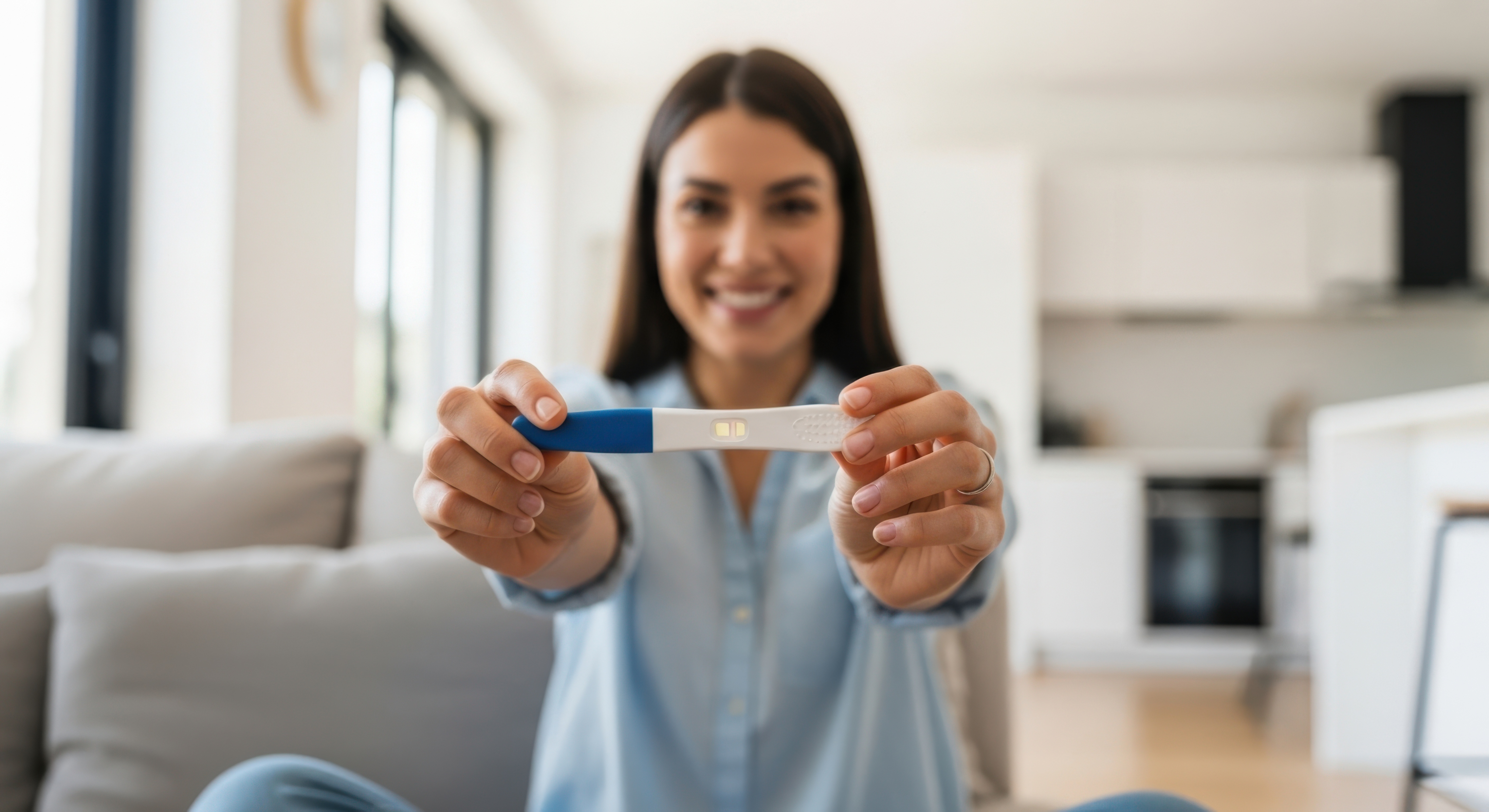
When you’re trying to conceive, it often feels like you need a complicated medical plan, but the truth is, some of the most powerful tools for boosting fertility are the simple, everyday habits you control.
For both men and women, optimising lifestyle choices can significantly improve the quality of eggs and sperm, balance hormones, and create a healthier environment for conception.
Here’s a breakdown of the lifestyle habits that truly matter for fertility.
🥗 Diet and Nutrition: Fueling the Factory
What you eat directly impacts the building blocks of reproduction.
-
Focus on Nutrient Density (for Women): A diet rich in whole foods, similar to the Mediterranean diet, is strongly linked to better fertility outcomes. Prioritise antioxidants (berries, leafy greens) to protect egg quality from free radical damage, and ensure adequate intake of folate and B vitamins for cell development.
-
Prioritise Zinc and Folate (for Men): These are crucial for sperm production, morphology (shape), and motility (movement). Found in foods like lean meats, seeds, nuts, and legumes.
-
Mind Your Fats: Cut back on trans fats (found in many processed, fried, and packaged foods), which are consistently linked to ovulation problems. Instead, focus on omega-3 fatty acids (found in fish, flaxseeds, and walnuts), which help improve blood flow to the reproductive organs and reduce inflammation.
-
Balance Blood Sugar: High consumption of refined carbohydrates and sugar can disrupt insulin levels, which in turn throws off reproductive hormones like estrogen and testosterone. Choose complex carbohydrates (whole grains, vegetables) to maintain stable blood sugar.
💪 Movement and Weight: The Golden Zone
The goal isn’t extreme fitness; it’s balance.
-
Maintain a Healthy BMI: Being significantly underweight (low body fat can stop ovulation entirely) or overweight (excess fat can lead to hormone imbalances like high estrogen) can disrupt the menstrual cycle. For men, obesity can negatively affect sperm quality due to increased scrotal temperature and hormone changes.
-
Moderate Exercise is Key: Regular, moderate exercise (like brisk walking, yoga, or swimming) helps manage stress, maintain a healthy weight, and improve insulin sensitivity.
-
Avoid Over-Training: For women, excessive, high-intensity exercise (like training for a marathon) can stress the body and suppress ovulation. Listen to your body and prioritise recovery.
😴 Sleep and Stress: Calming the System
Chronic stress and poor sleep are powerful disruptors of the hormonal axis that controls reproduction.
-
Prioritise 7-9 Hours of Sleep: Sleep deprivation increases cortisol (the stress hormone), which can interfere with the production of key reproductive hormones like FSH and LH, potentially disrupting ovulation.
-
Find Effective Stress Management: Whether it’s meditation, gentle movement, spending time in nature, or therapy, finding ways to truly lower your daily stress load is essential. Chronic stress can negatively impact sperm production in men and ovulation in women.
-
Limit Blue Light: The light emitted by phones and tablets before bed suppresses melatonin, a hormone that regulates the sleep-wake cycle and has been shown to be present in ovarian fluid, suggesting a role in egg protection.
🚭 Toxins and Environmental Factors: Clear the Clutter
Simple actions to reduce exposure to harmful substances can make a difference.
-
Quit Smoking and Limit Alcohol: Smoking is toxic to both eggs and sperm, damaging their DNA and significantly reducing fertility rates in both partners. Excessive alcohol consumption can also impair fertility and should be minimised or eliminated during the trying-to-conceive phase.
-
Manage Caffeine Intake: High levels of caffeine (over two cups of coffee daily) have been linked to an increased risk of miscarriage and may delay conception. Moderate intake is generally considered safe.
-
Avoid Environmental Disruptors: Minimise exposure to Endocrine-Disrupting Chemicals (EDCs) found in certain plastics (BPA, phthalates), pesticides, and cleaning products, as these chemicals can interfere with natural hormone function.
0 comments on “Fertility 101: The Lifestyle Habits That Really Matter”