

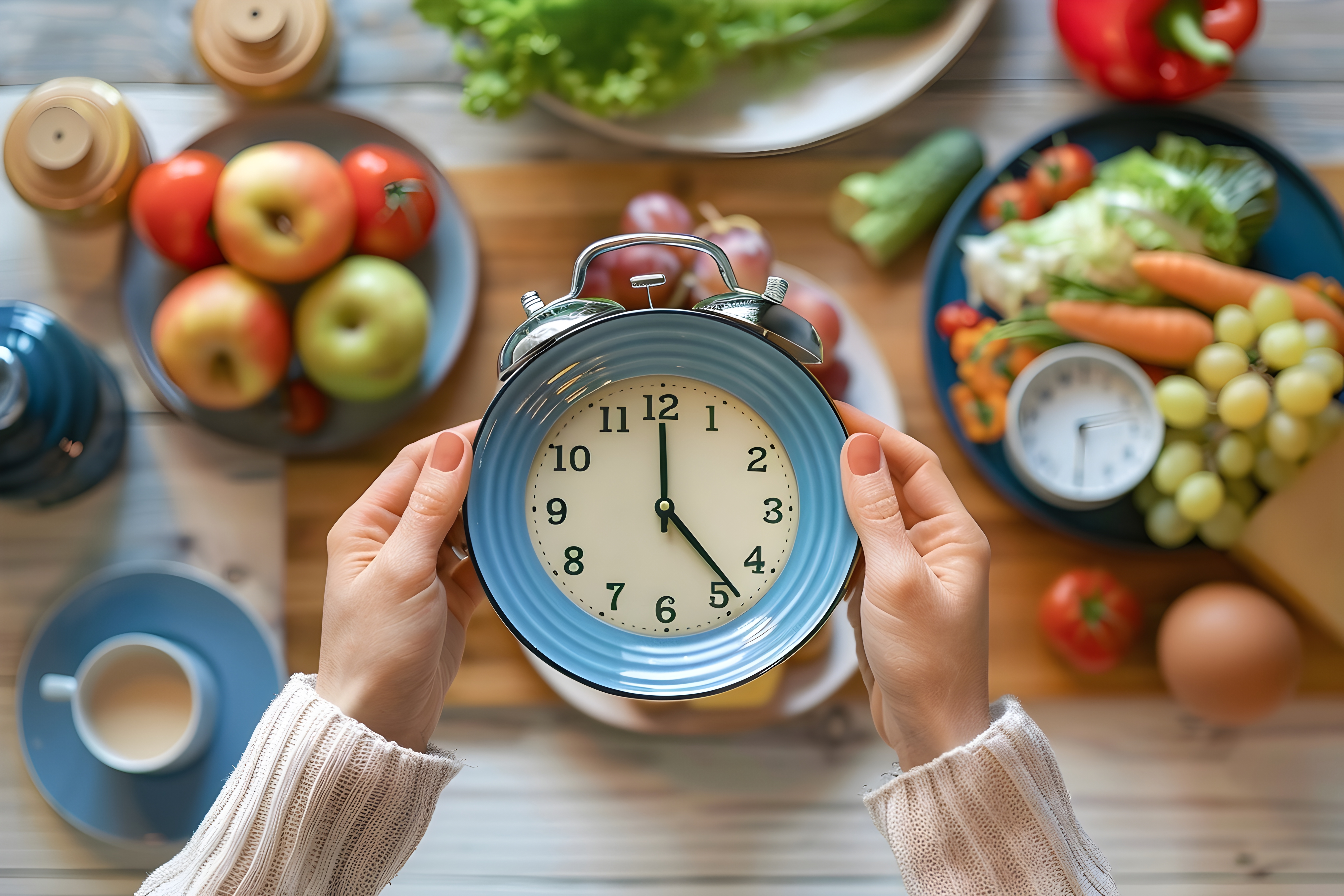
Ever felt mysteriously tired at 3 PM, had insomnia at midnight, or struggled with digestive issues in the morning? According to Traditional Chinese Medicine (TCM), your body follows a 24-hour energy cycle, often called the Chinese Body Clock. Each two hours is linked to a specific organ and its peak activity, influencing energy, mood, digestion, and even immunity. Understanding this rhythm isn’t just a fascinating wellness insight—it can help you optimise your day, boost energy, and align your habits with your body’s natural flow. To make it practical, here’s how you can follow your body clock and support each organ with everyday products and self-care routines.
3 AM – 5 AM
Lungs (Breath and Renewal)
This is your body’s natural detox window. The lungs are most active now, helping expel carbon dioxide and refresh your system. Even if you’re asleep, deep breathing and oxygen exchange are working to rejuvenate your energy for the day ahead.
Tip: Try deep breathing exercises or a gentle morning stretch. If you want a small boost, a humidifier or essential oil diffuser can keep your airways clear.
5 AM – 7 AM
Large Intestine (Detox & Elimination)
The large intestine reaches peak activity, making it the ideal time for elimination. Proper bowel movements during this period help set the tone for energy, digestion, and nutrient absorption throughout the day.
Tip: Hydration is key—start with a warm glass of water or herbal detox tea. You can also include a fibre-rich breakfast bowl to support your gut naturally.
7 AM – 9 AM
Stomach (Fuel Up)
Your stomach is primed to digest food efficiently, so breakfast is crucial now. Eating a balanced meal ensures sustained energy, prevents mid-morning fatigue, and prepares your body for optimal nutrient absorption.
Tip: Start your day with a wholesome breakfast like oatmeal, smoothie bowls, or a protein-rich shake.
9 AM – 11 AM
Spleen (Energy Transformation)
The spleen is the powerhouse that converts nutrients into energy and helps maintain immunity. During this window, your productivity, focus, and metabolic efficiency are at their peak.
Tip: Nourish your spleen with wholesome foods like legumes, leafy greens, and whole grains. A smart water bottle or insulated lunch container keeps your meals fresh and encourages mindful eating.
11 AM – 1 PM
Heart (Vitality & Circulation)
Heart energy is at its strongest just before lunch. Circulation, warmth, and emotional balance are supported during this period, making it ideal for social interactions, light activity, or creative work.
Tip: Take a brief walk, stretch, or practice mindfulness to maintain heart health. Wearable fitness trackers can help monitor activity without adding stress.
1 PM – 3 PM
Small Intestine (Assimilation & Focus)
After lunch, the small intestine works to absorb nutrients efficiently. Mental clarity may improve as the body focuses on assimilation, so this is an excellent period for light tasks or learning.
Tip: Avoid heavy, greasy meals; instead, opt for a balanced lunch with proteins, carbs, and vegetables.
3 PM – 5 PM
Bladder (Detox & Hydration)
Energy often dips mid-afternoon, and the bladder works to expel excess water and toxins. Staying hydrated helps flush out waste and keeps metabolism running smoothly.
Tip: Sip water or herbal teas and keep your bladder healthy. A stylish water bottle or tea cup can make this habit enjoyable and convenient.
5 PM – 7 PM
Kidneys (Energy Storage & Repair)
Kidneys store vital energy (Qi) and support adrenal function. Early evening is the time for replenishment and restoring energy for the night.
Tip: Gentle exercise, stretching, or yoga supports kidney function. Supplements like mineral-rich powders or adaptogens can be integrated to maintain vitality.
7 PM – 9 PM
Pericardium (Circulation & Relaxation)
The pericardium supports emotional balance and cardiovascular health. This is a natural wind-down period where stress reduction and mental calm are most effective.
Tip: Dim lights, play calming music, or enjoy a cup of herbal tea. Meditation apps or relaxing essential oils can complement your routine without being repetitive.
9 PM – 11 PM
Triple Burner (Metabolism & Recovery)
The “San Jiao” system coordinates metabolism and distributes energy throughout the body. During this period, your body transitions toward rest and repair, preparing for deep sleep.
Tip: Keep a consistent bedtime routine. Weighted blankets or sleep masks can improve sleep quality and support metabolic balance.
11 PM – 1 AM
Gall Bladder (Decision-Making & Detox)
The liver-gall bladder system works on bile and fat metabolism during deep sleep. Proper rest ensures detoxification and supports liver function.
Tip: Avoid late-night snacking to prevent overloading the liver. Herbal tonics designed for liver support can be incorporated if needed.
1 AM – 3 AM
Liver (Regeneration & Detox)
Peak liver detoxification occurs while you sleep, repairing cells and metabolising toxins. Quality sleep is essential to allow the liver to restore energy and cleanse effectively.
Tip: Prioritise 7–8 hours of uninterrupted sleep. Comfortable bedding or sleep-friendly room settings can enhance rest naturally.
The Takeaway
Your body runs on a precise 24-hour rhythm, and aligning your lifestyle with the Chinese Body Clock can boost energy, mood, and overall wellness. Whether it’s hydrating during the bladder cycle, nourishing your spleen mid-morning, or winding down for liver repair at night, small adjustments can create noticeable improvements. Pair these habits with quality wellness products—like herbal teas, diffusers, blenders, or ergonomic aids—to support each organ system naturally and effortlessly.
By syncing your habits with your body’s internal clock, you’re not just following tradition—you’re optimising your life for health, focus, and vitality. Start paying attention to the clock inside you, and you may find yourself more energetic, balanced, and in tune with your body than ever before.
0 comments on “Chinese Body Clock: Your 24-Hour Guide”