

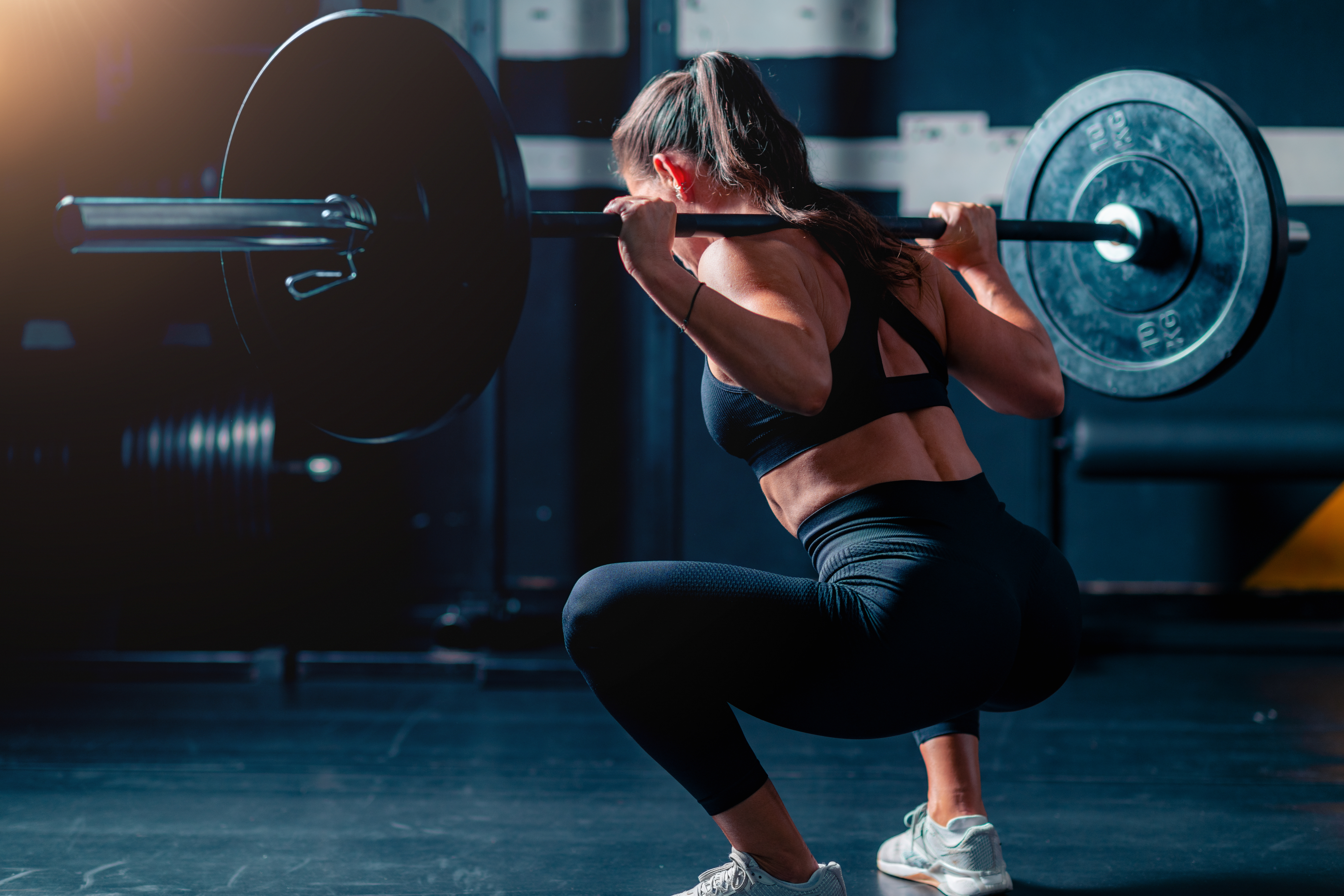
For decades, fitness culture focused relentlessly on one goal for women: skinny. We were taught to prioritise cardio, chase the smallest size possible, and fear the “bulk” that comes from lifting weights.
That narrative is finally changing. Women today are embracing a new goal: strong.
Building and maintaining muscle mass isn’t just about looking toned; it’s one of the most powerful and proactive steps you can take for your long-term health, vitality, and independence. It’s time to trade the fear of “getting bulky” for the power of becoming resilient.
🦴 The Bone Density Lifeline
This is perhaps the single most important reason women need muscle, particularly as they approach and move through menopause.
When you lift weights or perform strength training, you place stress on your bones. This stress signals to your body that your bones need to be stronger, which increases their density. This mechanism is crucial because:
-
Menopause and Bone Loss: Estrogen levels decline significantly during menopause, leading to accelerated bone loss. This makes women highly susceptible to osteopenia and osteoporosis (brittle bones).
-
Preventing Fractures: Strong bones drastically reduce the risk of fractures later in life, particularly hip fractures, which can severely compromise independence and quality of life.
Simply put, the stronger you are today, the more protected your skeleton will be for the next fifty years.
🔥 The Metabolism Multiplier
Muscle is metabolically active, meaning it requires energy (calories) to maintain, even when you are just sitting still.
-
Muscle vs. Fat: A pound of muscle burns significantly more calories at rest than a pound of fat.
-
Boosted Resting Metabolism: By increasing your overall muscle mass, you effectively raise your Basal Metabolic Rate (BMR). This makes it easier to manage your weight, maintain your current size, and consume adequate nutrition without constantly feeling restricted. You become a more efficient calorie-burning machine, even on the couch!
🛡️ Injury Prevention and Longevity
Strength training isn’t just for athletes—it’s for daily life.
-
Better Balance and Stability: Strong muscles, particularly in your core and legs, improve balance and coordination, making you less likely to fall (a critical factor in ageing).
-
Joint Protection: Strong muscles act as natural shock absorbers and stabilisers for your joints. They help keep knees, hips, and shoulders aligned, mitigating common aches and pains and reducing the risk of injuries like ACL tears or rotator cuff issues.
-
The “Everyday” Strength: Think about carrying groceries, lifting a child, or opening a heavy jar. These tasks require functional strength. Muscle mass gives you the power to handle the demands of everyday life effortlessly and gracefully.
🧠 The Mental & Hormonal Benefits
The advantages of strength training extend far beyond the physical:
-
Improved Mood and Confidence: The process of setting a lifting goal and achieving it—whether it’s squatting your body weight or doing your first unassisted pull-up—is an incredible boost to self-efficacy and confidence.
-
Blood Sugar Control: Muscle tissue helps your body absorb glucose from the bloodstream, improving insulin sensitivity. This is vital for preventing and managing Type 2 diabetes.
How to Start Building Your Power
Shed the fear of getting “too big.” Gaining significant bulk is extremely difficult for women due to lower levels of testosterone; it takes years of heavy, focused training and a high-calorie diet. Your muscles will get denser, firmer, and stronger—not massive.
Start Here:
-
Lift Heavy-ish: To build muscle, you need to challenge it. If you can easily complete 15-20 repetitions, the weight is too light. Aim for a weight where you can only complete 8 to 12 repetitions with good form before fatigue sets in.
-
Focus on Compound Moves: Prioritise exercises that use multiple joints and muscle groups simultaneously, such as squats, deadlifts, lunges, push-ups, and rows. These are the most effective uses of your training time.
-
Prioritise Protein: Muscle is built from protein. Ensure you are getting adequate protein (about 20-30 grams) in every meal, especially after a resistance workout.
-
Be Consistent: Aim for 2-3 full-body strength training sessions per week. Consistency over intensity is the key to long-term gains.
Stop chasing tiny. Start chasing strong. Building muscle is an investment in your health that will pay dividends for the rest of your life, giving you the power and confidence to live fully, without limits.
Takeaway
0 comments on “Strong, Not Skinny: Why Women Need Muscle More Than Ever”