

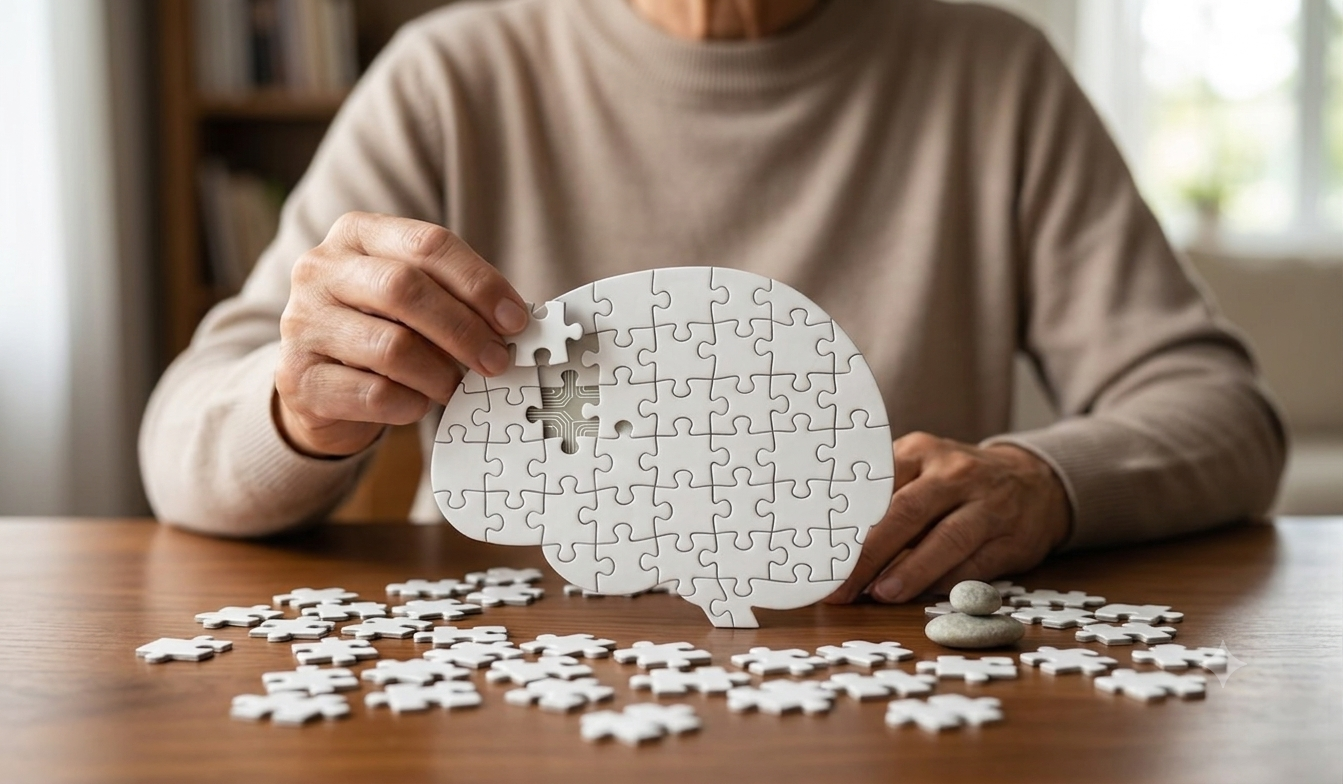
What if the biggest sign that an older loved one is struggling isn’t sadness at all? It could be a favourite hobby left untouched, fewer phone calls, restless nights, or simply saying, “I’m fine,” a little too often.
Mental health matters at every age, and growing older does not automatically mean living with depression, anxiety or loneliness. In fact, depression is not a normal part of ageing. Yet mental health concerns in older adults can be overlooked because the signs may appear differently than expected.
Why Mental Health in Older Adults Matters

Later life can bring major changes—retirement, bereavement, health concerns, reduced mobility or living alone. These experiences can affect emotional well-being and may increase the risk of depression, anxiety and social isolation.
According to the World Health Organization, around 15% of adults aged 70 and above live with a mental disorder, with anxiety and depression among the most common. Loneliness and social isolation are also important risk factors for mental health conditions in later life.
The good news? With the right care, older adults can improve their emotional well-being and quality of life.
Why Older Adults May Not Talk About It
Recognising mental health concerns can sometimes be difficult because an older person may not openly say they are struggling.
Some may worry about becoming a burden on their family, while others may believe feeling lonely, low or less energetic is simply a part of getting older. Mental health may also have been a less openly discussed topic when they were younger.
Instead of waiting for them to ask for help, pay attention to changes in their usual behaviour. A person who was once eager to meet friends, cook, garden or pursue a favourite hobby may slowly stop doing those things without explaining why.
Signs of Mental Health Struggles in Seniors

Mental health symptoms in older adults aren’t always obvious. Instead of saying they feel depressed, an older adult may complain about physical discomfort or gradually withdraw from everyday life.
Look out for changes such as:
- Loss of interest: No longer enjoying hobbies, outings or favourite activities.
- Changes in sleep: Sleeping too much, too little or waking unusually early.
- Low energy: Persistent tiredness or slowing down.
- Changes in appetite: Eating noticeably more or less than usual.
- Social withdrawal: Avoiding family, friends or conversations.
- Mood changes: Persistent sadness, anxiety, irritability, hopelessness or emotional numbness.
- Difficulty concentrating: New or noticeable problems with memory, focus or decision-making.
One change alone does not necessarily mean someone has a mental health condition. However, noticeable or persistent changes deserve attention, especially when several occur together.
How to Support an Older Loved One

Sometimes support begins with something surprisingly simple: showing up.
Instead of asking, “What’s wrong with you?”, try, “You don’t seem quite yourself lately. How are you feeling?” Listen without rushing to offer solutions or dismissing their concerns.
A few everyday habits can also support healthy ageing and mental wellness:
- Keep regular contact through calls, visits or shared meals.
- Encourage gentle physical activity when medically appropriate.
- Help them stay connected to hobbies, friends and community activities.
- Maintain a comfortable daily routine.
- Encourage medical or professional help when symptoms persist.
- Make space for conversations about grief, loneliness and life changes.
The goal isn’t to take over their life. Whenever possible, involve them in decisions and support their independence.
Feeling heard, respected and included can be just as important as practical help. Simple routines and shared activities can also bring comfort, purpose and a sense of familiarity to their day.
Alongside emotional support, everyday essentials can make care more comfortable and convenient—explore our range of elderly care essentials.

Looking after an older adult means caring for more than their physical needs. Their emotional well-being, independence and sense of connection matter too.
Most importantly, don’t assume that persistent sadness, loneliness or withdrawal is simply “part of getting older.” Recognising the signs early, starting a conversation and seeking appropriate support can help an older person feel heard, valued and cared for.
And sometimes, the most powerful form of elderly care is simply making sure they know: they don’t have to go through it alone.
You may also like:
0 comments on “Mental Health Awareness in Later Life: Signs and Support”