

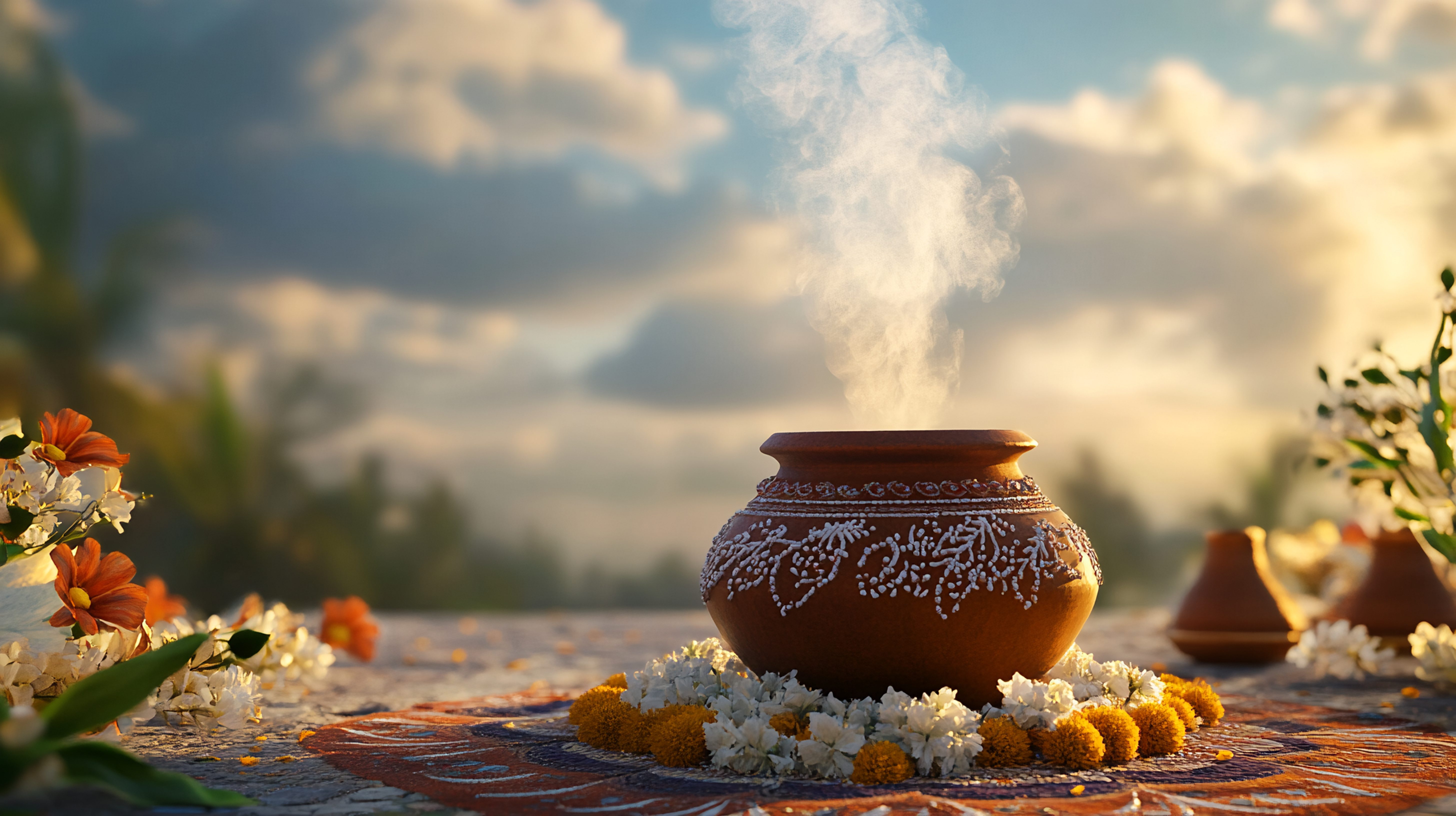
As winter sets in, the natural need for foods to keep warm increases. Grains, fruits, vegetables, and spices grow, adapting to their respective regions. The so-called ‘local food’ comes to light. Amidst this natural cycle, the country’s farmers reap the benefits that they sow. And, that became a tradition turned festival over the years. The harvest festival! In India, it is one of the key celebrations which vary from state to state. How? It depends solely on the ingredients grown during that season and the particular region.
Back in the day, once the harvest was collected, the farmers and their families would come together to thank the natural elements and the deities for the bountiful harvest. They commemorated it by preparing various delicacies and sharing them with each other. This turned into a grand festivity over the years and became a part of our culture. The festivals were named differently across the country, namely – Sankranti, Pongal, Lohri, Bihu, etc., and came along with their local traditions.
Today, we bring you the tastes of various regions and their local harvest.
1. Aate ki Pinni

Let’s boost the warmth of your body with Aate ki pinni made from wholesome ingredients. This sweet dish from Punjab is tasty and healthy. It’s a celebratory dish made especially during the harvest festival.
Prep Time: 10 minutes
Cook Time: 60 minutes
Origin: Punjab
Serves: 20 pieces
Ingredients 1 cup=100 gms
- 2 cups wheat flour
- 1-2 cups ghee
- 1/4 cup edible gum
- 1 cup sugar
- 2 tbsp cashews
- 2 tbsp walnuts
- 2 tbsp almonds
- 2 tbsp raisins
- 1 tbsp melon seeds
- 1-2 tsp cardamom powder
- 1 tsp ginger powder
Method
Prepping the edible gum:
- Take a small pan and bring to heat in a low to medium flame
- Add 3/4 cup ghee and heat
- Add the edible gum to it and gently sauté till the crystals start to puff
- Transfer to a plate and let it cool. Then grind it to powder
Pinni dough:
- Take a large heavy-bottomed pan and place over medium flame. Pour the remaining ghee into it
- Once the ghee melts, add wheat flour and mix
- Sauté and continue to mix till the colour of the mixture turns golden brown. Over time, the wheat dough will hold shape and the ghee starts to separate
- Mix it well again and move it to a plate. Set it aside to cool
- Use a mixer or a hand blender to powder the sugar and set it aside
- Chop all the dry fruits into small pieces and set aside
- When the dough becomes warm enough to hold, sprinkle the cardamom powder and ginger powder. Mix and let them blend in
- Add the prepared edible gum to the dough and mix again
- Lastly, toss in the powdered sugar and chopped dry fruits. Combine it well into the dough
Creating the shape:
- Take a scoop of the dough and press it between your fingers and palm, creating a long oval-like shape (pinni). Smoothen the shape out and arrange it on a large plate or tray
- Repeat for the rest of the dough. You can serve it immediately or you can let it rest and serve it later
2. Parippu Vada
 Parippu vada, also called aam vada is a popular festive snack or accompaniment in the southern part of India. It brings a lot of flavours together and combines them to perfection when fried. You can make a spicier version of the same by adding more green chillies or an extra teaspoon of red chilli powder.
Prep Time: 15 minutes + 2 hours (for soaking)
Cook Time: 30 minutes (depends on the frying)
Origin: Tamil Nadu
Serves: 20
Ingredients:
- 2 cups chana dal
- 1 onion (finely chopped)
- 3 green chilli (finely chopped) Adjust based on spice preference
- 1-inch ginger (finely chopped)
- 1/2 cup mint leaves (finely chopped) – optional
- 10 curry leaves (finely chopped)
- 1 tsp asafetida
- Salt to taste
- Oil to fry
Method
- Wash the chana twice and drain the excessive water. Pour fresh water to the same level as the dal. Cover it and let it soak for 2 hours
- As the chana soaks, chop and prep all the required ingredients
- After 2 hours, drain the remaining water and spread out the dal on a cotton cloth or a tray. Then dab it dry to an extent
- Take a large mixer and grind the dal coarse. Do not make it into a paste
- Toss in all the other ingredients except oil to the ground dal and gently mix together
- Grease a large plate/tray or line it with butter paper. Take small scoops and make 1-2-inch balls. Gently flatten it and arrange it on the plate/tray. If your dough isn’t holding shape, you can heat the oil first and then shape them one by one and start to fry immediately. This is to make sure that the fritters/vadas don’t break while frying
- Take a flat/round-bottomed pan and pour in the oil required for frying
- Place it on medium to high flame and bring it to heat
- Once it heats, reduce to between low and medium flame. Do a test by dropping a pinch of the dough to see if it starts to splatter and fry. This way, you will neither undercook nor burn the fritters
- Fry all the fritters/vadas till golden in small batches based on the size of your pan. Make sure not to fry too many together as they might take a lot of time and cook unevenly
- You can deep fry the same if you prefer it to be crispy. Deep frying is to fry the fritters twice. The first fry should turn light brown. Then you set them aside till the whole batch is done. Then you fry them again to a darker golden brown
- Remove the excess oil and place them on a plate/tray lined with tissues. You can dab the upper part with tissues as well to remove excess oil before serving
- Serve hot with lunch, dinner or as an evening snack
3. Amitar/Omitar Khar

This spicy, flavour-packed fish gravy from the northeastern part of India is a traditional delicacy made from winter ingredients in Assam. It’s a popular lunch/dinner recipe cooked during the festive days of Bihu. Amitar Khar is an easy yet extravagant dish to feast on.
Prep Time: 20 minutes
Cook Time: 20-30 minutes
Origin: Assam
Serves: 4-5
Ingredients
- 500 gms fish head
- 500 gms raw papaya
- 6 garlic pods (crushed)
- 3-4 green chillies (slit)
- 1/2-inch ginger (crushed)
- 1 tbsp kola khar or 1/2 tsp cooking soda
- 3 tbsp mustard oil
- 1/2 tsp sugar
- Salt to taste and for marination
- 100 ml Water
Method
- Clean the fish head and slice it into 4 pieces. Wash and rinse again
- Rub salt on each of them and set aside
- Wash and chop the papaya
- Take a pressure cooker, add and heat oil (2-3 tbsp)
- Add garlic and fry till brown
- Add the fish head pieces and sauté for 1-2 minutes
- Add the chopped papaya and continue to sauté
- Toss in the slit green chillies (2 whole slits into 4 pieces or you can increase based on the spice preference). Sprinkle salt, sugar and kola khar or soda and mix well
- Heat the water and pour it into the cooker. Mix and cook for 2 minutes. Then cover the lid and let it whistle 1-2 times. Turn off the gas
- Once the pressure releases, open and add the ginger paste. Mix and cover again
- Let it sit for about 3-5 minutes before you serve
- You can further garnish with chillies or mustard oil
- Serve with hot plain rice
4. Jolphai Guror Chutney

We bring to you a tangy and spicy chutney prepared from our very own olives called jolphai. With the olive’s naturally tangy taste blended into a few chosen spices, the chutney is a tantalizing accompaniment.
Prep Time: 5 minutes
Cook Time: 20-25 minutes
Origin: Assam
Serves: 5 people
Ingredients
- 50 gms Indian olives/jalpai (crushed)
- 4-5 tbsp mustard oil
- 3 tbsp jaggery powder (adjust based on preference)
2 tsp panch phoran (Spice mix of cumin seeds, nigella seeds, fenugreek seeds, mustard seeds, and fennel seeds) - 1 tsp red chilli powder
- 2 tsp cumin powder
- 2 tbsp honey
- Salt to taste
Method
- Use a chopper or a mixer to crush the olives
- Take a medium pan and pour the oil, bring it to heat
- Resume to low flame and add the panch phoran spice mix and stir fry
- When the raw aroma of the spices fades, add the jaggery powder and stir till it melts
- Sprinkle salt, chilli powder and cumin powder. Continue stirring and mixing
- When the oil starts to separate, add the honey and mix
- Your chutney is ready to be served
0 comments on “The Harvest Feast in Different Parts of India”