

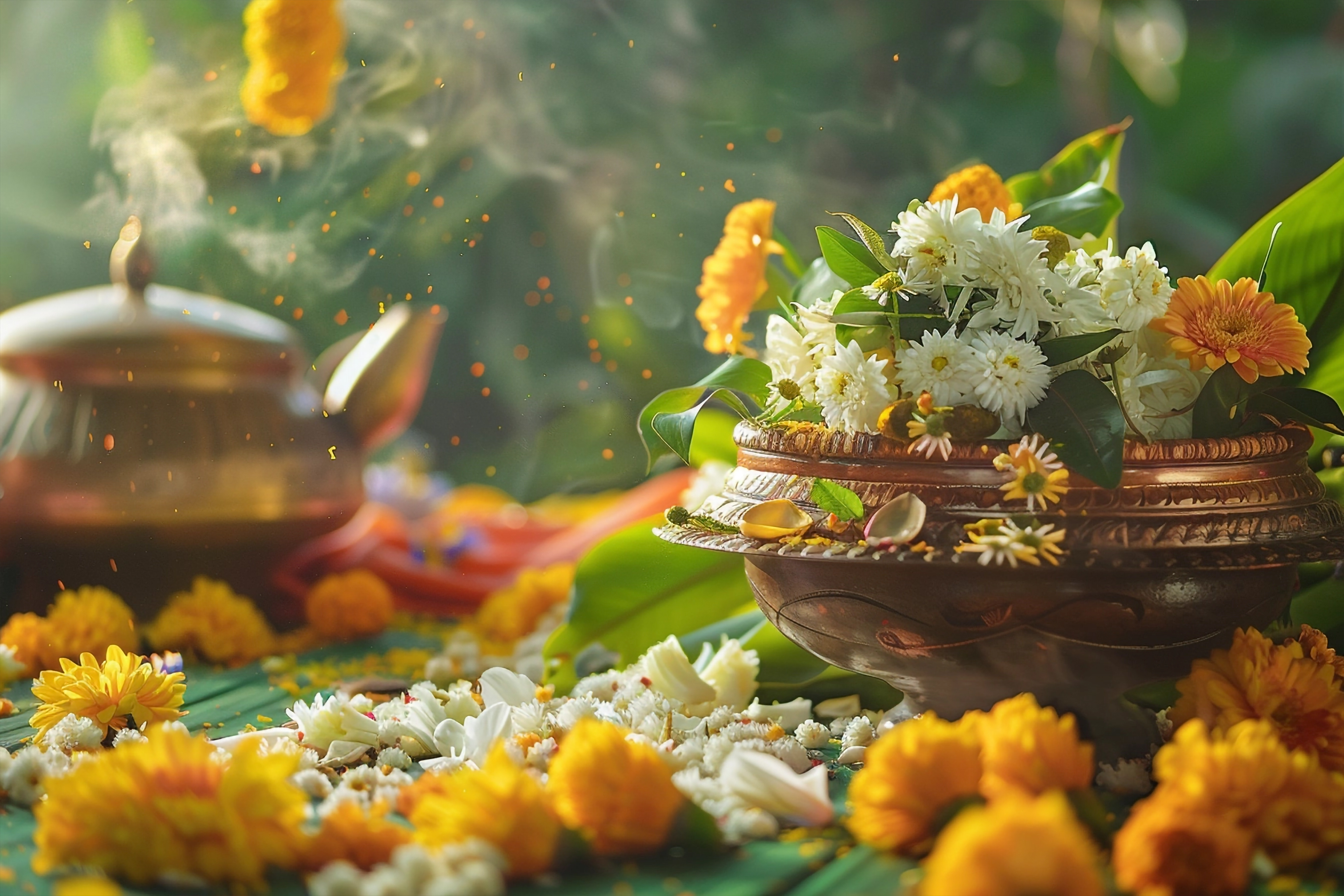
Across the vibrant landscapes of Andhra Pradesh, Telangana, and Karnataka, the arrival of Ugadi heralds a fresh beginning—the dawn of the Hindu New Year. Also celebrated as Gudi Padwa in and around Maharashtra, Goa & Daman at the start of Chaitra, this festival signifies more than just a date change; it embodies the renewal of life and the promise of prosperity.
As spring breathes new life into the land, Ugadi aligns with the start of the planting season, symbolising growth and abundance under the waxing moon. Deeply rooted in tradition, the festival reflects both spiritual beliefs and agrarian rhythms, making it a time of communal joy and hope for a fruitful year ahead.
Let’s explore the rich traditions and significance of Ugadi in depth.
The Historical and Cultural Roots of Ugadi

Derived from the Sanskrit words “Yuga” (age) and “Adi” (beginning), Ugadi marks the start of a new era. According to Hindu mythology, this day commemorates the beginning of Kaliyuga, which followed Lord Krishna’s departure. The festival follows the lunisolar calendar, occurring after the first new moon in the Chaitra month.
Hindu scriptures attribute Ugadi’s origins to Lord Brahma, who is believed to have created the universe on this day, setting time into motion. Another association is with Lord Vishnu, revered as Yugaadikrit—the initiator of ages—whom devotees seek blessings from for prosperity.
Ugadi is also linked to the Shalivahana calendar, introduced by King Gautamiputra Satakarni. It marks the New Year for communities between the Kaveri River and the Vindhyas. As a celebration of new beginnings, it inspires people to embrace growth, positivity, and transformation.
Ugadi Traditions: Celebrating New Beginnings

Ugadi is marked by a series of meaningful rituals that reflect its essence of new beginnings, prosperity, and spiritual significance. From symbolic foods to traditional customs, each aspect of the festival carries deep-rooted cultural importance.
1. Ugadi Pachadi: A Taste of Life’s Balance
One of the most cherished Ugadi traditions is preparing Ugadi Pachadi, a unique dish that blends six distinct flavours, each reflecting the different facets of life. This symbolic preparation serves as a reminder to accept both joys and challenges with grace.
- Neem flowers (bitter) – Signify hardships and struggles.
- Tamarind (sour) – Represents life’s setbacks and disappointments.
- Jaggery (sweet) – Symbolises happiness and success.
- Salt – Reflects the essential stability in life.
- Green chilli (pungent) – Represents anger and unexpected challenges.
- Raw mango (astringent) – Stands for surprises and new experiences.
Just like life, this dish balances diverse flavours, reminding us to embrace every experience with resilience and gratitude as we step into the new year.
2. Reading of Panchanga (Hindu Almanac)
An essential Ugadi tradition is the reading of the Panchanga, the Hindu almanac that details auspicious dates and planetary positions for the year ahead. A priest or elder in the family recites these predictions, offering insights into the future. Beyond foretelling events, this practice encourages reflection on the past year and setting intentions for a prosperous future.
3. The First Day of New Clothes
Wearing new clothes is a cherished tradition during Ugadi, signifying a fresh start and optimism for the year ahead. Families take great care in selecting vibrant, festive attire, believing that dressing in new clothes brings positive energy and good fortune. The choice of colours and fabrics reflects the celebratory spirit of the festival, and it is a time when people embrace renewal, both outwardly and within.
4. Ugadi and the Start of New Business Ventures
Ugadi is considered an auspicious occasion to embark on new business ventures, sign important agreements, and make financial investments. Many business communities observe the tradition of opening fresh account books, a practice known as “Halkhata,” and perform special prayers to seek divine blessings for prosperity. Entrepreneurs and traders believe that initiatives started on this day are more likely to bring success and stability in the coming year.
5. Ugadi in Literature and Arts
Beyond being a festival of new beginnings, Ugadi is also a time for artistic and literary expression. Poets and writers often release new works, drawing inspiration from the themes of renewal and change. Many cultural events, including classical music performances, dance recitals, and poetry readings, are organized to celebrate the richness of regional heritage. The festival fosters creativity and provides a platform for artists to showcase their talents.
6. The Purifying Oil Bath
A traditional oil bath is an essential ritual of Ugadi, symbolising cleansing, renewal, and preparation for the new year. Families begin the day by applying oil to their hair and body before taking a bath, a practice believed to remove impurities, improve well-being, and bring peace of mind. This age-old tradition is seen as a way to start the year with a refreshed body and soul, embracing the festival’s spirit of rejuvenation.
7. Festive Feasting and Special Dishes
Apart from Ugadi Pachadi, the festival is a feast for the senses. Families prepare an array of traditional delicacies such as Pulihora (tamarind rice), Obbattu (also known as Holige or Puran Poli), and Kosambari (a refreshing lentil salad). Each dish is crafted with fresh, seasonal ingredients, celebrating the arrival of spring and the abundance of nature.
In Karnataka, Obbattu is often served with a generous drizzle of ghee, while in Andhra Pradesh and Telangana, spicy and tangy dishes balance out the sweetness of the festival treats. These foods not only satisfy the palate but also bring communities together in shared joy and festivity.
8. Cleaning and Decorating the Home
Ugadi preparations begin with thoroughly cleaning homes, a practice believed to invite positivity and prosperity for the new year. Houses are swept, washed, and decluttered to create a fresh and welcoming environment. Doorways are adorned with mango leaves and toran, symbolising good fortune, while vibrant Rangoli designs at the entrance add a festive touch. This tradition not only enhances the aesthetic appeal of homes but also reflects the spirit of renewal that Ugadi brings.

Ugadi Across India: Similar Celebrations

Did you know?
Ugadi and Gudi Padwa, though celebrated in different regions, fall on the same day and mark the beginning of the Hindu New Year. While Ugadi is known for traditions like Pachadi and Panchanga Sravanam, Gudi Padwa is celebrated with grandeur by hoisting a Gudi, believed to bring prosperity and good fortune.
Beyond Ugadi and Gudi Padwa, several other regions in India observe their own unique New Year festivals, each with customs that symbolise renewal, prosperity, and joy.
 Puthandu (Tamil Nadu) – The Tamil New Year is observed with the viewing of “Kanni” (auspicious items) and a traditional feast, reflecting hope for a prosperous year.
Baisakhi (Punjab) – A major harvest festival, Baisakhi is marked with vibrant celebrations, including bhangra performances and prayers at Gurudwaras.
Bohag Bihu (Assam) – Bohag/Rongali Bihu signifies the Assamese New Year, where homes are cleaned, feasts are prepared, and traditional dances are performed.
Vishu (Kerala) – Vishu is celebrated with Vishukkani (auspicious first sight), firecrackers, and a grand feast known as Vishu Sadya.
Navreh (Kashmir) – The Kashmiri New Year is observed by preparing a thali with symbolic items representing prosperity and well-being for the coming year.
Sajibu Nongma Panba (Manipur) – Celebrated by the Meitei community, this festival signifies the start of a new lunar cycle with traditional rituals and feasts.
Cheti Chand (Sindhi Community) – Honoring the birth of Lord Jhulelal, this day is marked with prayers, processions, and community feasts.
While the rituals differ, the essence remains the same—welcoming a new year with gratitude, celebration, and the hope for prosperity.
Ugadi and its Agricultural Significance
Ugadi marks an important transition in the agricultural calendar, symbolising the beginning of a new harvest cycle. For farmers, this festival is a time of gratitude, as they pray for bountiful rains and a prosperous yield.
Many rituals, including the preparation of special dishes, revolve around seasonal produce, reinforcing the deep-rooted connection between Ugadi and nature’s rhythms. With fresh mangoes ripening on trees and the first harvest of pulses and grains filling granaries, the festival serves as a reminder of the blessings that the earth provides.
Conclusion: A New Dawn, A New Promise
Ugadi is more than just the beginning of a new year; it is a celebration of life’s journey, filled with moments of joy, challenges, and hope. Whether through the symbolic flavours of Ugadi Pachadi, the heartfelt blessings of elders, or the prayers for a prosperous future, the festival reminds us to welcome change with open arms and step into the new year with optimism.
As the first day of Chaitra unfolds, Ugadi invites everyone to embrace new beginnings, cherish traditions, and look forward to a year filled with happiness, success, and harmony.
Thank You for this initiative : sharing of tangible and intangible values of our different traditions across the multiplicity of Indian culture will hopefully usher the dawn we so urgently need.
Excellent detail on Ugadi
Very nicely elaborated the spirit of Ugadi
Thank you for the detailed information about Hindu New year.
Must read for everyone specially younger generation to know our culture and values