

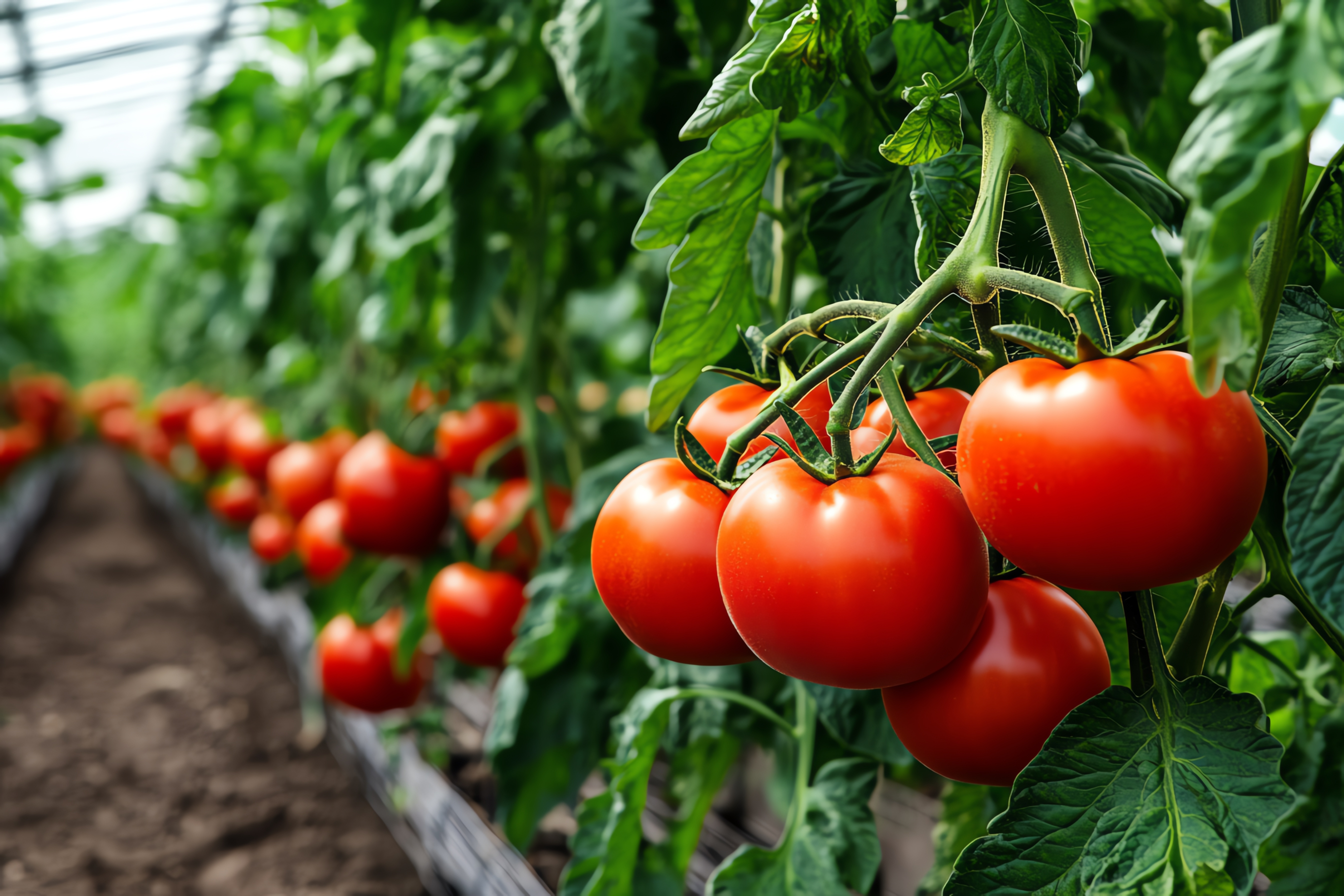
Tomatoes are a kitchen staple, but not all tomatoes are created equal. Step into a farmer’s market or scroll through an online grocery store, and you’ll likely encounter two types: desi (local) tomatoes and hybrid tomatoes. While they may look similar at a glance, their taste, texture, growing habits, and even health benefits set them apart.
Here’s a simple, clear breakdown of what makes them different—so the next time you shop or cook, you know exactly what you’re working with.
What Are Desi Tomatoes?

Desi tomatoes, also called country tomatoes or native varieties, are traditionally grown without much genetic modification. These are open-pollinated and passed down through generations of farmers.
Key Traits:
-
Shape & Size: Small, round, and often uneven in shape.
-
Colour: Bright red or orangey-red, sometimes with green patches.
-
Taste: Tangy, sharp, and more acidic—great for adding depth to Indian curries and chutneys.
-
Texture: Softer pulp and thinner skin.
-
Shelf Life: Spoils quicker due to high water content and lack of preservatives.
-
Growing Conditions: Adapted to local soil and climate, often need fewer chemicals or fertilisers.
-
Culinary Uses: Perfect for rasam, sambar, tomato thokku, and any dish needing a punch of sourness.
What Are Hybrid Tomatoes?

Hybrid tomatoes are cross-bred in controlled settings to combine the best traits from two or more tomato varieties. These are scientifically developed to be more market-friendly.
Key Traits:
-
Shape & Size: Uniform, bigger, and plump.
-
Colour: Bright, consistent red—more visually appealing.
-
Taste: Mild, slightly sweet, and less acidic.
-
Texture: Firmer flesh, thicker skin—holds shape during slicing or cooking.
-
Shelf Life: Longer, ideal for transport and storage.
-
Growing Conditions: Require specific inputs like fertilisers and pesticides, but yield more per acre.
-
Culinary Uses: Ideal for salads, sandwiches, pasta sauces, and dishes where tomato flavour shouldn’t overpower.
Nutritional Differences at a Glance
| Feature | Desi Tomatoes | Hybrid Tomatoes |
|---|---|---|
| Vitamin C | High | Moderate to High |
| Lycopene (Antioxidant) | Rich | Present, but can vary by variety |
| Fibre | Good | Good |
| Nutrient Density | Slightly higher due to natural, local growth | Balanced, but affected by cross-breeding practices |
| Cooking Retention | Softer, nutrients may be reduced by cooking | Firmer, better vitamin retention during cooking |
Why the Taste Difference?
Desi tomatoes owe their sharpness to higher citric acid levels, while hybrid ones are bred for flavour neutrality—to appeal to a wider palate and suit global cuisines.
Cost Factor
Hybrid tomatoes are usually cheaper due to high yields and longer shelf life. Desi tomatoes, though often priced slightly higher, are valued for their superior flavour and traditional appeal.
So, Which Should You Choose?
It depends on what you’re cooking:
-
Making a spicy Indian curry or pickle? Go desi.
-
Tossing a salad or layering a burger? Go hybrid.
Some cooks even blend both—hybrids for body and desi for punch.
The Bottom Line
Desi and hybrid tomatoes serve different purposes in the kitchen. Desi wins in flavour, but hybrid wins in looks and shelf life. Knowing when and where to use each gives your dishes more character—and helps you stay connected to your ingredients in the most thoughtful way.
Because sometimes, even a humble tomato deserves to be chosen with intention.
very informative