

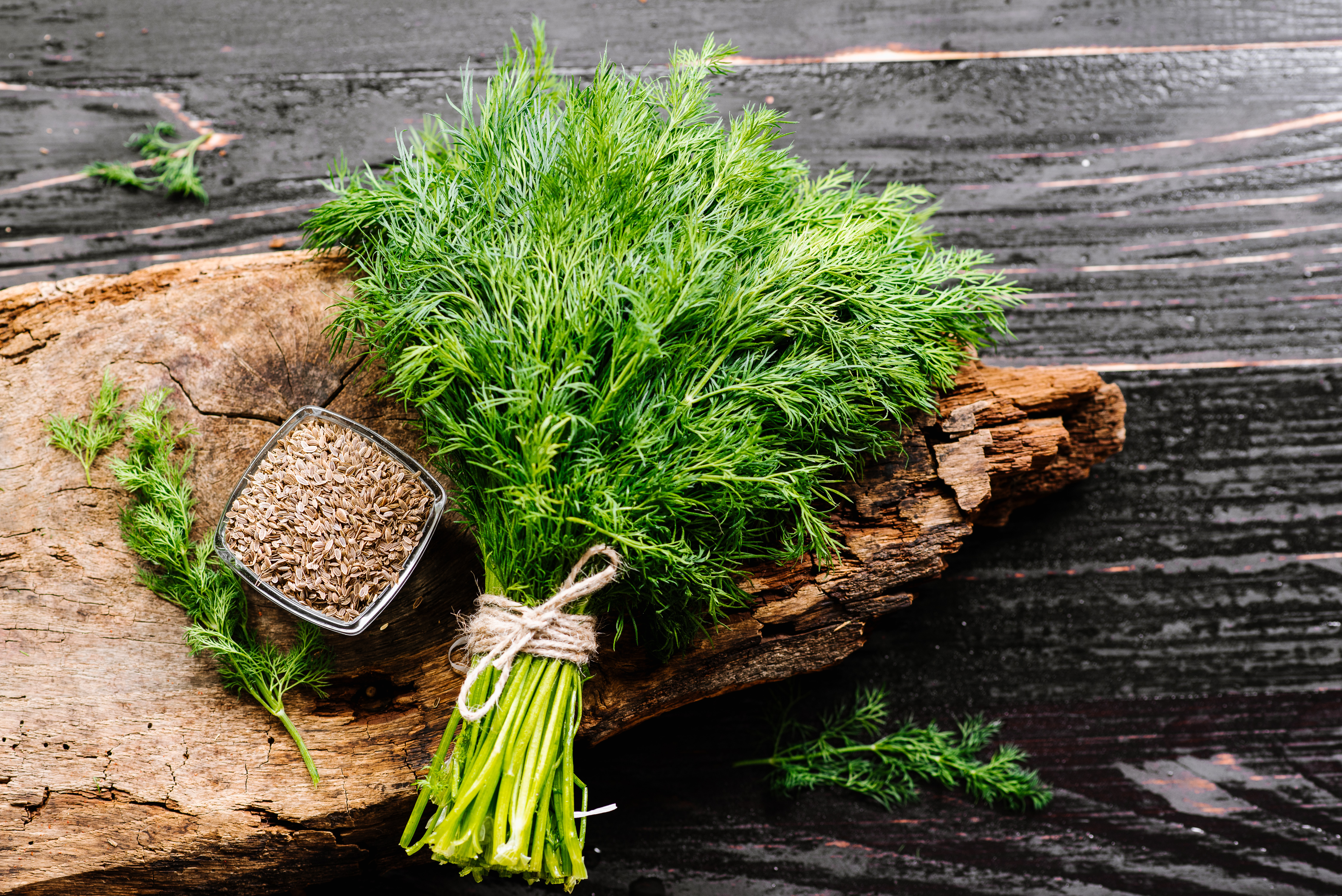
In the bustling heart of Indian kitchens, where masalas sizzle and flavours collide, dill leaves—hold a quiet yet powerful place. Often overlooked in the mainstream herb lineup, dill is a traditional favourite in many regional cuisines, treasured not only for its unmistakable aroma but also for its medicinal punch. If you’ve ever passed by a bunch of fine, fern-like greens in the market and wondered what to do with them, this herb deserves your second glance.
A Local Legacy, Not Just a Western Trend
While dill enjoys popularity in Mediterranean and Eastern European cuisines, India has embraced it for centuries. In parts of Maharashtra, Gujarat, Karnataka, and Andhra Pradesh, dill is far from exotic—it’s everyday fare. From comforting lentil stews to rustic flatbreads, its presence is subtle yet distinctive, adding a gentle bitterness and depth that few herbs can replicate.
Flavour That Doesn’t Shout, But Stays
Dill’s taste is unique—slightly grassy, with hints of anise and fennel. When cooked, especially in Indian-style stir-fries or dals, it mellows beautifully, blending in while enhancing the other ingredients. It’s one of those herbs that doesn’t dominate a dish, but lingers in your memory.
Try it in a suva moong dal sabzi—a simple dish where split yellow moong dal is tempered with garlic and cooked with chopped dill. The result is light, digestible, and deeply satisfying. Or, if you’re from the southern part of India, chances are you’ve had dill in a coconut-based curry or even in dosa batter for a herbaceous twist.
Wellness in Every Whiff
Dill is more than just a flavourful herb—it’s a trusted part of traditional wellness practices. In Ayurveda, it’s often used to ease digestive discomforts like bloating and flatulence. It’s especially common in meals for children, the elderly, and postpartum women, thanks to its light and soothing nature. Nursing mothers also value it for its potential role in supporting lactation.
With a rich nutritional profile—including calcium, iron, vitamin A, and flavonoids—dill helps strengthen bones, boost immunity, and support blood health. Its mild diuretic effect assists the body in flushing out excess fluids, particularly useful during seasonal transitions or recovery periods.
Dill in Traditional Kitchens: A Green with Purpose
-
Gentle on Infants: Dill seeds are often used in traditional home remedies to relieve colic or gas in babies, typically given in diluted form under supervision.
-
Low-Calorie, High-Fibre: It adds bulk and nourishment to meals without increasing the calorie count—perfect for light, everyday cooking.
-
Blends Well with Grains: Dill complements rice, lentils, and millets like bajra, jowar, and ragi, making it versatile across various regional diets.
-
Supports Everyday Gut Health: Thanks to its fibre and gentle digestive action, it promotes regularity and gut comfort.
-
Ideal for Vegetarian Diets: A reliable source of key micronutrients like iron and calcium, dill is especially helpful in plant-based nutrition.
Handling & Storage Tips
Dill is delicate—treat it like fresh coriander. Wrap it in a damp cloth or store it in an airtight container in the fridge. Use it within 3–4 days for optimal flavour. Always wash thoroughly, as the fine leaves can trap grit.
When cooking with dill, add it towards the end for a stronger aroma, or cook it down for a milder, grassy tone. It also pairs well with garlic, green chillies, mustard seeds, and moong dal—ingredients already familiar in the Indian pantry.
Final Thoughts: Make Room for Suva
In a world of imported superfoods and trendy herbs, it’s easy to forget the gems rooted in our own soil. Dill is one such gem—humble, hyperlocal, and deeply nourishing. Whether you’re aiming to add more greens to your plate, boost digestion, or explore regional Indian flavours, dill leaves are a flavorful and functional addition to your kitchen.
So the next time you spot a feathery bunch of suva at your local market, take it home. Chop it, cook it, or even blend it into your dal. It’s not just a herb—it’s heritage on a plate.
Ready to bring this aromatic green home? Shop fresh dill leaves here.
Soa(not soya) as we call it in UP and Bihar is not only part of Marathi, Kannada or Andhra kitchens but even North Indian Kitchens. In North India, it is a winter saag. Soa, Methi Aloo are a staple during winters. It replaces or complements coriander in a lot of our dishes like aloo paratha. It is considered very hot in nature. Pairs really well with Gajar and Peas as well. Should not be mixed with summer vegetables like Parwal, Karela or lady fingers to avoid confusing your digestive system.
finely cut pieces of dill can be sprinkled on beaten curd & mixed with stone crushed mustard seeds to add that x’tra zing to a delicious Raita
Very very nice 🤠 i love it