

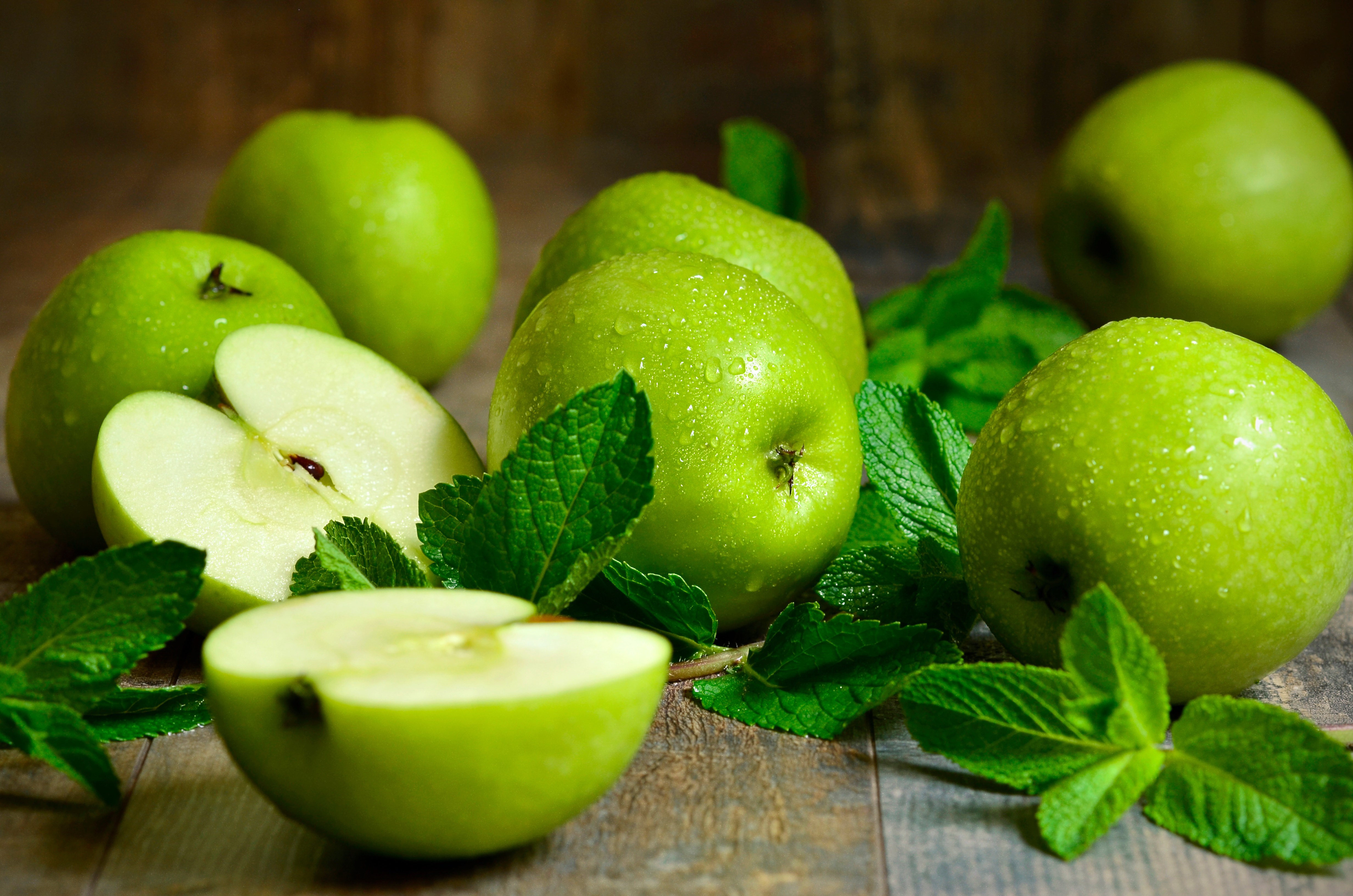
Whether you’re biting into a Granny Smith or a Red Delicious, apples are synonymous with health. But a growing number of people watching their sugar intake are leaning towards green apples—and not just for their zesty crunch. Are green apples actually lower in sugar? Is the sour bite a sign of a healthier choice? Let’s take a closer look at the nutritional truth hidden beneath the peel.
Green apples—especially the famous Granny Smith variety—often pop up in health-conscious circles as a “better” apple. Crisp, tart, and refreshingly tangy, they’re a stark contrast to their red, sweeter cousins. But are they actually lower in sugar? And does that make them the healthier choice?
Let’s take a closer look at what’s really beneath that green peel.
Green vs. Red Apples: Sugar Face-Off
At first bite, the answer seems obvious—green apples taste less sweet, so they must have less sugar, right? Technically, yes. But the difference is more nuanced.
Here’s a quick comparison of sugar content in 100g (about one small apple):
- Granny Smith (Green Apple): ~10g of sugar
- Red Delicious/ Fuji/ Gala: ~13-16g of sugar
So yes, green apples are lower in sugar. But we’re talking about a difference of roughly 3 to 6 grams per apple. That’s about 1 to 1.5 teaspoons of sugar. For someone watching their sugar intake—like diabetics or low-carb dieters—this small margin can matter.
What Makes Green Apples Less Sweet?
Green apples are picked earlier in their ripening stage, which means they’ve had less time to convert starches into sugars. Their tartness comes from higher levels of malic acid—an organic acid that contributes to their sharp taste and is known to support skin health and energy production.
This lower sugar, higher acid combo is why green apples:
- Taste more sour
- Feel more refreshing
- Have a longer shelf life
- Works better in savoury dishes
Blood Sugar and Green Apples: Are They Diabetic-Friendly?
Green apples are often considered a better fruit option for those with diabetes or insulin resistance. Why?
- Lower glycemic index (GI): Green apples have a GI of around 39, meaning they cause a slower rise in blood sugar.
- High fibre content: Fibre slows down glucose absorption, helping stabilise blood sugar levels.
- Less fructose: Fructose, a fruit sugar, is processed differently in the body than glucose. Green apples tend to have less of it.
That said, portion control still matters. Even though green apples are lower in sugar, they still contain sugar—and too many can spike your levels if not balanced with other macronutrients.
Benefits Beyond Sugar
Here’s why green apples deserve a spot in your daily diet, even beyond the sugar content:
- Weight management: Low in calories, high in fibre—green apples keep you full longer.
- Digestive support: Pectin promotes healthy digestion and feeds good gut bacteria.
- Dental health: Their acidic crunch can help reduce plaque (but rinse afterwards!).
- Skin glow: Thanks to vitamin C and antioxidants, they may support collagen production.
Best Ways to Enjoy Green Apples
Green apples shine in recipes where tartness balances out sweetness or richness. Some creative ideas:
- Add slices to salads with walnuts and feta for crunch and tang.
- Use in green smoothies for a low-sugar, zesty flavour punch.
- Bake into pies if you want something less sweet and more complex in taste.
- Pair with peanut butter for a protein-packed snack.
They’re also excellent in chutneys, pickles, and even savoury curries, especially in Indian kitchens.
Final Bite: So, Are Green Apples the Healthier Choice?
If you’re cutting back on sugar or managing blood sugar levels, green apples are a smart pick. They offer all the nutritional benefits of apples with fewer natural sugars and a tangy edge. But the margin isn’t huge, so if you prefer red apples and you’re otherwise healthy, enjoy them too—just watch portion sizes.
In the end, it’s not just about red vs. green. It’s about how you eat them, what you eat them with, and what your body needs.
So, whether you’re team tart or team sweet—apples are always a good call.
Click here to pick your favourite apples
You may also like:
0 comments on “Are Green Apples Lower in Sugar? A Nutritional Deep Dive”