

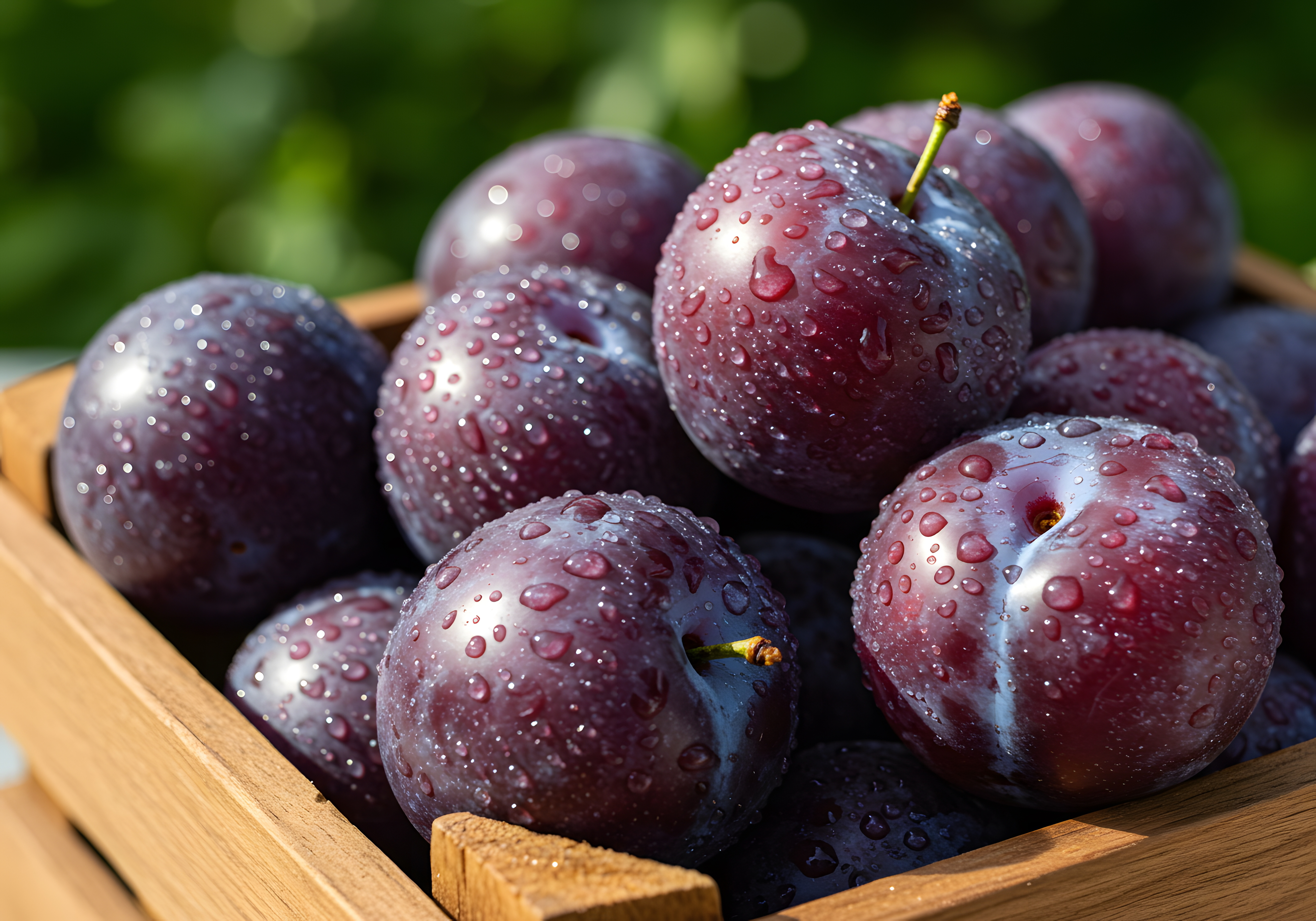
Have you ever bitten into a perfectly ripe plum—juicy, sweet, and just a little tart—only to wonder how it reached that state of perfection? You might assume it’s all about sunshine and photosynthesis. But here’s the twist: plums, like a few other fruits, do some of their most important ripening work after the sun goes down.
Yes, you read that right. Plums ripen better after dark.
Let’s pull back the curtain on this nocturnal transformation and uncover the quiet magic that happens during the night shift.
Ripening: More Than Just Getting Soft
Ripening isn’t just about softening fruit. It’s a complex process involving sugars, acids, aromas, and pigments all reaching their peak. In climacteric fruits—like plums, bananas, and apples—this process continues even after harvest, primarily driven by a gaseous hormone called ethylene.
Ethylene acts like a conductor in a fruit symphony, triggering the breakdown of starch into sugar, the softening of flesh, the fading of green chlorophyll, and the rise of fruity aromas.
Here’s where night enters the picture.
Why Night Matters for Plums
Plums ripen better at night due to a combination of biological and environmental factors:
1. Cooler Temperatures Preserve Ethylene Activity
Ethylene is more effective in cooler temperatures—precisely the kind found at night. High daytime heat can sometimes accelerate ripening too quickly, leading to uneven texture or even spoilage. The calm of the night allows ethylene to do its job slowly and more evenly, helping the fruit maintain its structure while sweetening gradually.
2. Reduced Stress and Respiration
During the day, fruits undergo higher respiration rates (just like humans when active). This rapid exchange of gases uses up a lot of internal energy. At night, respiration slows, and energy can be redirected toward cell wall softening and sugar conversion—key aspects of ripening.
In simpler terms: plums breathe less and ripen more after dark.
3. Darkness Enhances Sugar Accumulation
While photosynthesis happens in leaves and is dependent on sunlight, sugar transport into the fruit occurs mostly after sundown. This delayed movement of photosynthates (sugar-loaded compounds) from leaves to fruit peaks in the early night hours. The fruit absorbs these sugars and begins the slow transformation from tart to sweet.
Plums Aren’t Alone: The Night Owls of the Orchard
Plums aren’t the only fruits that prefer the dark. Many stone fruits—such as peaches, nectarines, and apricots—also ripen more uniformly when temperatures drop and sunlight fades.
That’s why post-harvest storage for these fruits often involves cool, dark environments with controlled humidity—to mimic nighttime conditions and encourage ideal ripening without over-softening.
From Orchard to Kitchen: What This Means for You
Now that you know plums love the dark, here’s how to make the most of it at home:
1. Let Them Sit Overnight (But Not in the Fridge)
If you’ve picked or bought plums that are still a bit firm, leave them on your kitchen counter overnight in a paper bag. This traps ethylene and speeds up ripening. Avoid the fridge unless they’re fully ripe—it slows everything down.
2. Store in Dim or Dark Areas
Direct sunlight can make fruits heat up and ripen unevenly. A shaded shelf or cupboard works better for uniform ripening.
3. Don’t Smother Them
Give your plums breathing space. Avoid sealed plastic containers, which can trap moisture and cause mould. A breathable paper bag or basket is ideal.
Plum Trivia to Sweeten the Deal
- Over 2,000 varieties: Plums come in a dazzling range—from deep purple to yellow, red, and green.
- Japan vs. Europe: Most of the plums we eat today come from either Japanese (Prunus salicina) or European (Prunus domestica) species.
- Plums to prunes: Only certain types of plums can become prunes. They must have a high sugar content and a pit that separates easily from the flesh.
- Symbol of wisdom: In Chinese culture, the plum blossom is a symbol of perseverance and hope, blooming even in the cold of late winter.
Final Thought: The Silent Sweetness of Night
So next time you admire a perfectly ripe plum, remember it didn’t just bask in sunlight to get there. It worked overtime—quietly, patiently, and in the dark. The night, often thought of as a time of rest, is when this fruit performs its final act, turning firm flesh into silky sweetness.
Plums are a poetic reminder that sometimes, the best transformations happen when no one is watching.
Ready for a juicy bite? Click here to shop fresh plums
You may also like:
0 comments on “The Night Shift: Why Plums Ripen Better After Dark”