

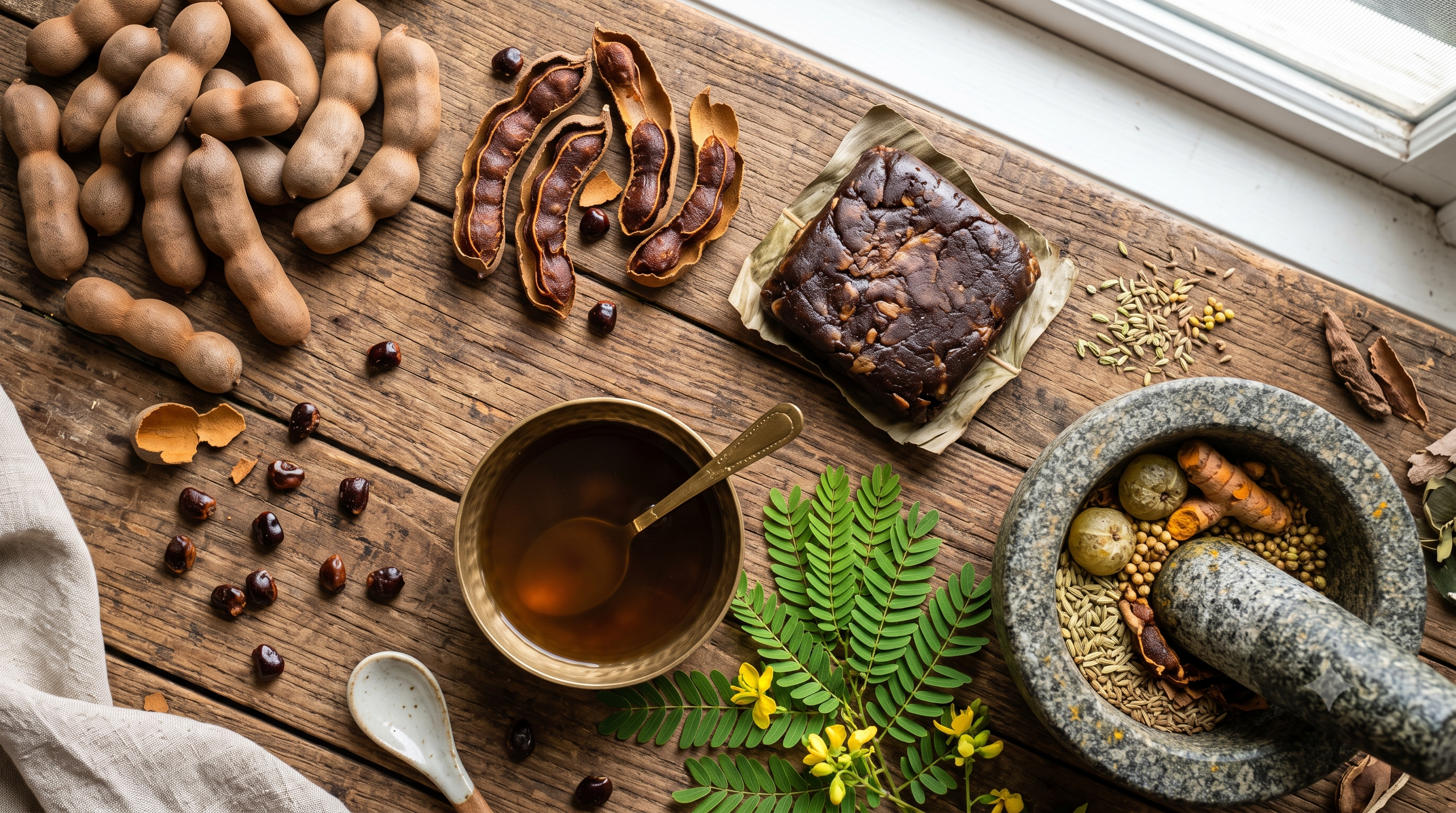
Picture a brown, knobbly pod that looks like it lost a fight with a tree branch. Crack it open, and you find a sticky, sweet-sour pulp that can make your mouth pucker and smile at the same time. That’s tamarind, or imli as most Indian kitchens lovingly call it. It’s one of those rare ingredients that feels equally at home in a sizzling pot of sambar and in the pages of ancient Ayurvedic texts. So what makes this humble pod such a superstar? Let’s take a tangy trip through its story.
A Fruit With a Passport Full of Stamps
Tamarind (Tamarindus indica) is believed to have originated in tropical Africa, yet it has become so deeply rooted in Indian food culture that most people assume it was born here. Traders carried it across oceans centuries ago, and today it flavours dishes from Chennai to Bangkok to Mexico City. Its journey proves one thing: good taste travels.
 Did you know? Did you know?
The name “tamarind” comes from the Arabic tamr hindī, meaning “date of India.” Even more surprising, tamarind is one of the secret ingredients in Worcestershire sauce, the famous British condiment. So every time someone splashes it on their food in London, a little bit of imli is joining the party! |
Tamarind in the Kitchen: The Queen of Sour

If Indian cooking had a flavour orchestra, tamarind would be the lead violin. Its sourness is bright yet mellow, with a natural sweetness that lemon or vinegar simply cannot match. That’s why tamarind uses in cooking are so wide and wonderful. Here’s where this tangy fruit truly shines:
- South Indian classics: Sambar, rasam, and puliyogare (tamarind rice) owe their soul to imli.
- Chaats and chutneys: Sweet imli chutney with jaggery turns pani puri and samosas into pure joy.
- Curries and gravies: Fish curries from Kerala and Goa use tamarind to balance spice and richness.
- Global favourites: Pad Thai, Mexican agua de tamarindo, and Caribbean sauces all rely on its tang.
- Candies and snacks: Tamarind toffees and imli golis are nostalgia wrapped in a wrapper.
Beyond taste, tamarind also works as a natural tenderiser and preservative, thanks to its tartaric acid content. Our grandmothers knew this long before food science explained it, which is why pickles and chutneys made with imli lasted through entire seasons.
Ready to bring more tang to your table? Try swapping lemon for a spoonful of tamarind paste in your next dal and taste the difference yourself.
Tamarind in Ayurveda: More Than Just a Flavour

In Ayurveda, tamarind is known as Amlika or Tintidika, and it has been respected for centuries for its effect on the body and mind. Ayurvedic tradition describes it as having a predominantly sour taste (amla rasa) with a warming potency (ushna virya). This combination is said to kindle agni, the digestive fire, which is why tamarind for digestion has been a traditional practice in countless households.
According to Ayurvedic principles, tamarind helps balance Vata dosha, the energy associated with dryness, movement, and irregular digestion. Ripe tamarind in particular is traditionally considered gentler and more beneficial than the raw, unripe fruit. Classical practitioners have used its pulp as a mild natural laxative, its leaves in soothing poultices, and its flavour to awaken a sluggish appetite.
However, Ayurveda is also a science of balance. Because tamarind is warming and sour, it may aggravate Pitta and Kapha when eaten in excess. People prone to acidity or heat-related discomfort are usually advised to enjoy it in moderation. This wisdom reminds us that even the best ingredients work best when used mindfully.
The Health Benefits of Tamarind, Backed by Nutrition
Modern nutrition adds an exciting layer to the ancient story. Tamarind isn’t just tangy; it’s packed with nutrients that support your body in surprising ways. Here’s what makes imli benefits worth celebrating:
- Rich in dietary fibre: Supports healthy digestion and keeps things moving smoothly.
- Loaded with essential minerals: Contains magnesium, potassium, and iron, which support muscle function, heart health, and energy levels.
- Packed with antioxidants: Plant polyphenols help protect the body from oxidative stress.
- Heart-friendly potential: Researchers continue to study tamarind’s role in supporting healthy cholesterol and blood pressure.
- Blood sugar balance: Early studies are exploring how tamarind may help support steady blood sugar levels.
- Natural anti-inflammatory properties: Its compounds are being studied for their soothing effect on inflammation.
- Better nutrient absorption: Its natural acids help the body absorb certain nutrients, making it a smart addition to iron-rich lentil dishes.
In other words, that sambar your mother made every Sunday was quietly doing more than just tasting delicious.
As with any food used for wellness, it’s wise to consult a qualified Ayurvedic practitioner or doctor before using tamarind therapeutically, especially if you have existing health conditions or take medication.
Where Kitchen Meets Wellness

The real magic of tamarind lies in how effortlessly it bridges flavour and function. In Indian homes, food has always been the first form of medicine, and tamarind is a perfect example of that philosophy. It makes meals exciting while quietly supporting digestion, appetite, and overall balance. Few ingredients can claim to satisfy both the chef and the vaidya with a single spoonful.
The Tangy Takeaway
From African forests to Indian kitchens, from street-side chaat carts to classical Ayurvedic texts, tamarind has earned its place as a true culinary and wellness treasure. Its sweet-sour personality, impressive nutrients, and time-tested Ayurvedic reputation make it far more than just a souring agent.
So go ahead, stock up on good-quality tamarind, experiment with a new recipe this week, and share this blog with a fellow food lover who still thinks imli is just for chutney! Your taste buds and your gut will thank you.
Ready for more tang? Bring home some tamarind
You may also like:
0 comments on “Why Tamarind Is Valued in Both the Kitchen and Ayurveda”