

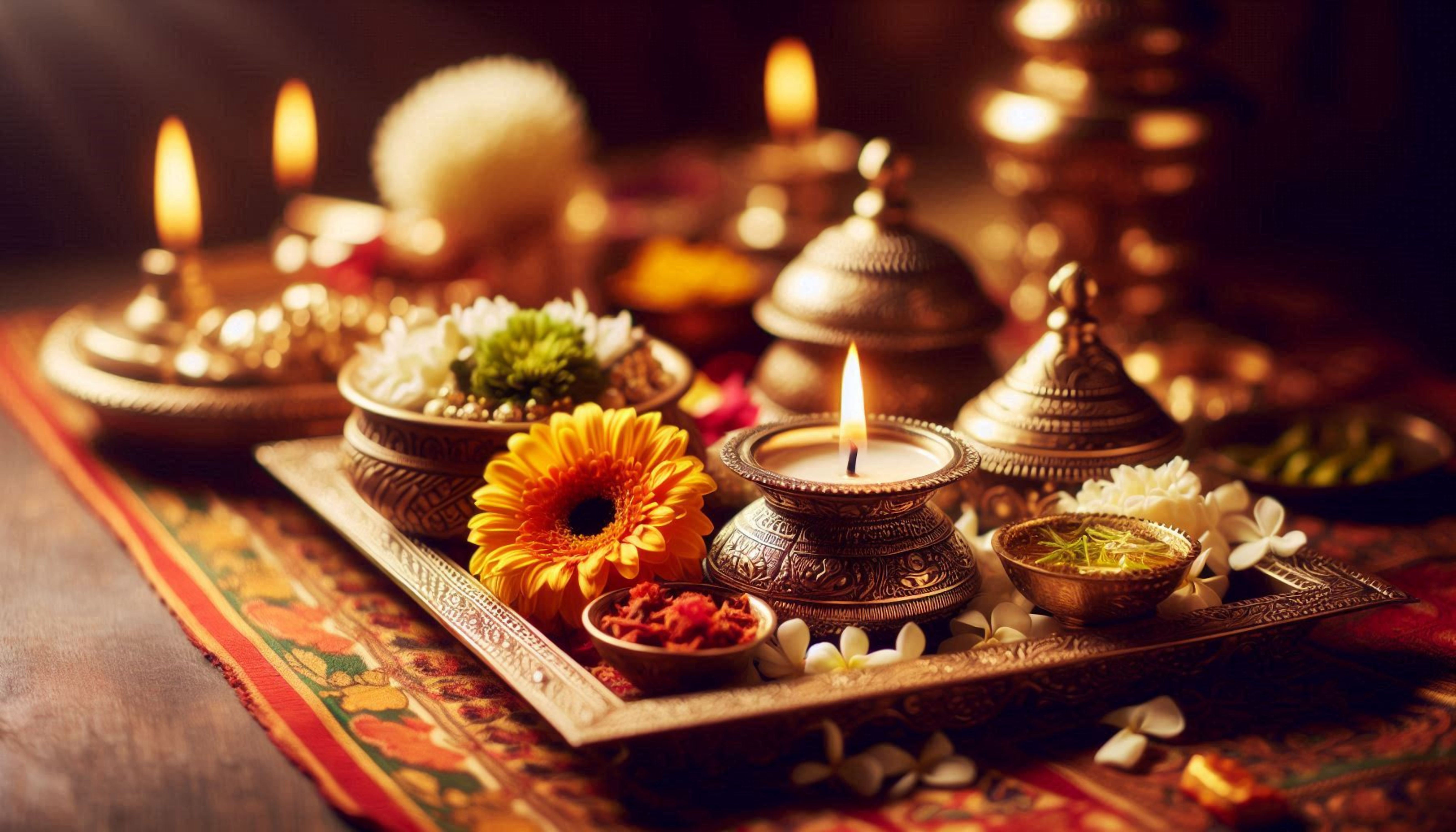
At its heart, Bhai Dooj symbolises sibling love and devotion. The festival represents a sister’s prayer for her brother’s long life, prosperity, and happiness, while the brother promises to protect her always. Unlike many festivals focusing on deities or cosmic events, Bhai Dooj centres on family, making it a time for personal connection and reflection.
Significance of the Bhai Dooj Festival


- The Tilak Ceremony: The central ritual of Bhai Dooj involves the sister applying a tilak or tika of vermilion and rice on her brother’s forehead, symbolizing protection, blessings, and prosperity.
- Arti and Prayers: After the tilak, sisters perform an aarti to bless their brothers with good health and success. The aarti often includes a diya (oil lamp), representing the light and positivity they wish upon their brother.
- Gifts and Tokens of Love: The exchange of gifts follows the prayer rituals. Brothers usually give their sisters a thoughtful gift as a token of their appreciation, while sisters often prepare special dishes or sweets to mark the occasion.
- Feasting Together: After the rituals, families enjoy a meal together, often featuring the sister’s homemade dishes, which strengthens family bonds and completes the celebration.
 Did you know? Did you know?
In Nepal, Bhai Tika is celebrated with a five-coloured tika (also called Panchakarya), which uses a rainbow of hues to bless the brother with long life and fortune. It’s one of the most important festivals for the Nepalese. |
Difference Between Rakhi and Bhai Dooj
 Raksha Bandhan Raksha Bandhan |
|
 Bhai Dooj
Though both Raksha Bandhan (Rakhi) and Bhai Dooj celebrate sibling bonds, they differ in timing, rituals, and origin stories:
- Occasions and Legends: Raksha Bandhan is celebrated during the Hindu month of Shravan and involves sisters tying a rakhi on their brother’s wrist, signifying protection and loyalty. Bhai Dooj, on the other hand, falls after Diwali and includes the tilak ritual inspired by Yamraj and Yamuna’s story.
- Rituals and Symbolism: Rakhi involves the sister tying a symbolic thread on the brother’s wrist, which he wears as a pledge to protect her. In contrast, Bhai Dooj centres around the tilak and aarti, with the sister praying for the brother’s long life and the brother giving gifts in return.
- Celebration Context: Rakhi is often a larger social celebration, with friends and extended family participating. Bhai Dooj tends to be more personal, celebrated mainly between siblings or close family.
Embracing the Spirit of Bhai Dooj
Bhai Dooj is a beautiful reminder of the depth of family bonds and the enduring love between siblings. It’s a day when siblings come together to express their appreciation, love, and the comforting assurance that no matter what, they’ll always be there for each other.
Festival of bonding