From the sun-kissed shores of Goa to the spice-laden kitchens of Tamil Nadu, the coastal regions of India have gifted us an array of delectable sweets, each infused with the richness of coconut, jaggery, and time-honoured traditions. These desserts are more than just treats—they are a celebration of heritage, shaped by regional flavours and the warmth of home kitchens.
Whether it’s the layered indulgence of a festive favourite, the delicate softness of a beloved offering, or the crisp, golden perfection of a time-honoured delicacy, each bite tells a story of festivity, devotion, and culinary artistry. Let’s embark on a flavourful journey through these coastal and culturally rich lands, where every sweet delight carries the essence of tradition and warmth.
1. Bebinca: Goa’s Iconic Layered Dessert

A masterpiece of Goan-Portuguese cuisine, Bebinca is a rich, multi-layered cake made with coconut milk, egg yolks, sugar, and ghee. Traditionally baked one layer at a time, it requires patience and precision, resulting in a caramelised, melt-in-the-mouth texture.
Legend traces its origins to a Goan nun, Bebiana, who crafted this indulgence to highlight local ingredients. Often enjoyed during Christmas and festive occasions, Bebinca embodies Goa’s colonial past and culinary heritage, making it a must-try treat.
Prep time: 20 mins
Baking time: 2 hours 20 mins
Servings: 12 servings approx
Ingredients:
Method:
Preparing the coconut milk:
- Break the coconut and grate it, add 1-½ cups of warm water and blend it in a mixer. Strain the milk from the mixture.
- Mix the coconut milk and sugar in a saucepan. Heat this mixture gently over medium heat, stirring occasionally, until the sugar dissolves completely. Keep it aside to cool.
Preparing the batter:
- Beat the eggs in a large mixing bowl until light and fluffy.
- Add the cooled coconut milk mixture to the eggs and mix well.
- Sift the flour into the egg-coconut milk mixture and stir until smooth.
- Add cardamom powder, a pinch of salt, and ghee to the batter, and mix everything thoroughly.
- Add chopped cashews and raisins to the batter for added texture and flavour.
- Preheat the oven to 180°C (350°F) and grease a baking dish or a cake pan with ghee.
Preparing the layers:
- Pour a small amount of batter (about ¼ cup) into the prepared baking pan and spread it out evenly. Bake it in the oven for about 10–15 minutes, or until the top is golden and set.
- Once the first layer is set, take the pan out of the oven and pour another small layer of batter over the first one. Return the pan to the oven and bake for another 10–15 minutes, until the second layer is set and golden. Repeat this process until all the batter is used up. You should end up with about 7-8 layers.
- After all the layers are baked, you can optionally sprinkle a tablespoon of sugar over the top layer of bebinca and place the pan under the broiler for a minute or two until the sugar caramelises and turns golden brown.
- Allow the bebinca to cool completely in the pan. As it cools, it will firm up and become easier to cut into slices.
- Once cooled, cut it into rectangular or square pieces.
- Bebinca is usually served at room temperature and can be stored in an airtight container for a few days.
Tips:-
- The key to perfect Bebinca is patience, especially when layering the batter. Ensure that each layer is properly set before adding the next.
- The texture should be rich and moist with a slight caramelisation on the top, giving it a golden-brown finish.
Enjoy your delicious homemade Bebinca! It’s a classic Goan dessert that’s sure to impress.
2. Ukadiche Modak: The Divine Sweet of Maharashtra

Soft, delicate, and bursting with the natural sweetness of jaggery and coconut, Ukadiche Modak holds a sacred place in Maharashtrian cuisine. This steamed dumpling, with its thin rice flour shell and fragrant filling, is especially beloved as Lord Ganesha’s favourite offering during Ganesh Chaturthi.
Rooted in tradition, the art of shaping each modak by hand reflects the devotion and craftsmanship passed down through generations. With every bite, the warmth of cardamom and the richness of coconut create a divine harmony, making it more than just a sweet—it’s a symbol of festivity, faith, and homegrown culinary artistry.
Prep time: 20 mins
Cooking time: 45
Servings: 12 servings approx
Ingredients:
For the outer shell (Rice flour dough):
- 1 cup rice flour (use fine rice flour)
- 1 cup water
1 tbsp ghee (clarified butter)
1/4 tsp salt
A few drops of oil (to grease your hands)
For the filling:
Method:
Preparing the filling:
- Heat ghee in a pan over medium heat. Add the grated coconut and sauté it for 2-3 minutes, stirring occasionally, until it turns aromatic but not brown.
- Add jaggery to the coconut mixture and stir well. Continue cooking on low heat until the jaggery melts and blends with the coconut. This will form a sticky mixture.
- Add cardamom powder and nutmeg powder for flavour, along with chopped nuts (cashews/almonds) and poppy seeds.
- Cook for 1-2 more minutes until the mixture is well combined and dry enough to hold its shape. Once done, remove it from heat and let it cool.
Preparing the rice flour dough (Outer shell):
- Boil water in a saucepan, adding salt and ghee to it.
- Once the water comes to a boil, add the rice flour slowly while stirring continuously to avoid lumps.
- Keep stirring until the dough starts coming together and becomes smooth. This will take about 2-3 minutes.
- Cover the dough and let it rest for about 10-15 minutes to cool slightly. Once it cools down enough to handle, grease your hands with a little oil or ghee and knead the dough to make it smooth and pliable.
Shaping the modak:
- Divide the dough into small lemon-sized balls.
- Flatten each dough ball into a small disc (about 3–4 inches in diameter) using your fingers or a rolling pin.
- Place a spoonful of the coconut-jaggery filling in the centre of each disc.
- Carefully bring the edges of the dough together to form a pouch, pinching the top to create a peak (like the traditional shape of modaks). You can also use a modak mould if you have one to shape the modaks neatly.
Steaming the modaks:
- Grease the steaming plate or basket with ghee or oil.
- Arrange the shaped modaks on the steaming plate, making sure they don’t touch each other.
- Steam the modaks in a steamer for about 10-15 minutes or until they become shiny and firm to touch. You can cover the steamer with a clean cloth to avoid water droplets falling onto the modaks.
- Once steamed, remove the modaks from the steamer and let them cool slightly.
Serving:
- Serve the Ukadiche Modaks warm and drizzling with ghee.
Tips:
- Make sure the dough is soft but not too sticky. If it feels too sticky, add a little more rice flour. If it’s too dry, add a bit more water.
- Be careful while handling the dough because it can get hot. Greasing your hands with ghee and wetting them with water will help in shaping the modaks without the dough sticking to your fingers.
Enjoy your delicious, authentic Ukadiche Modak. It is a symbol of devotion and a beloved sweet in Maharashtra.
3. Adhirasam: Tamil Nadu’s Timeless Festive Treat

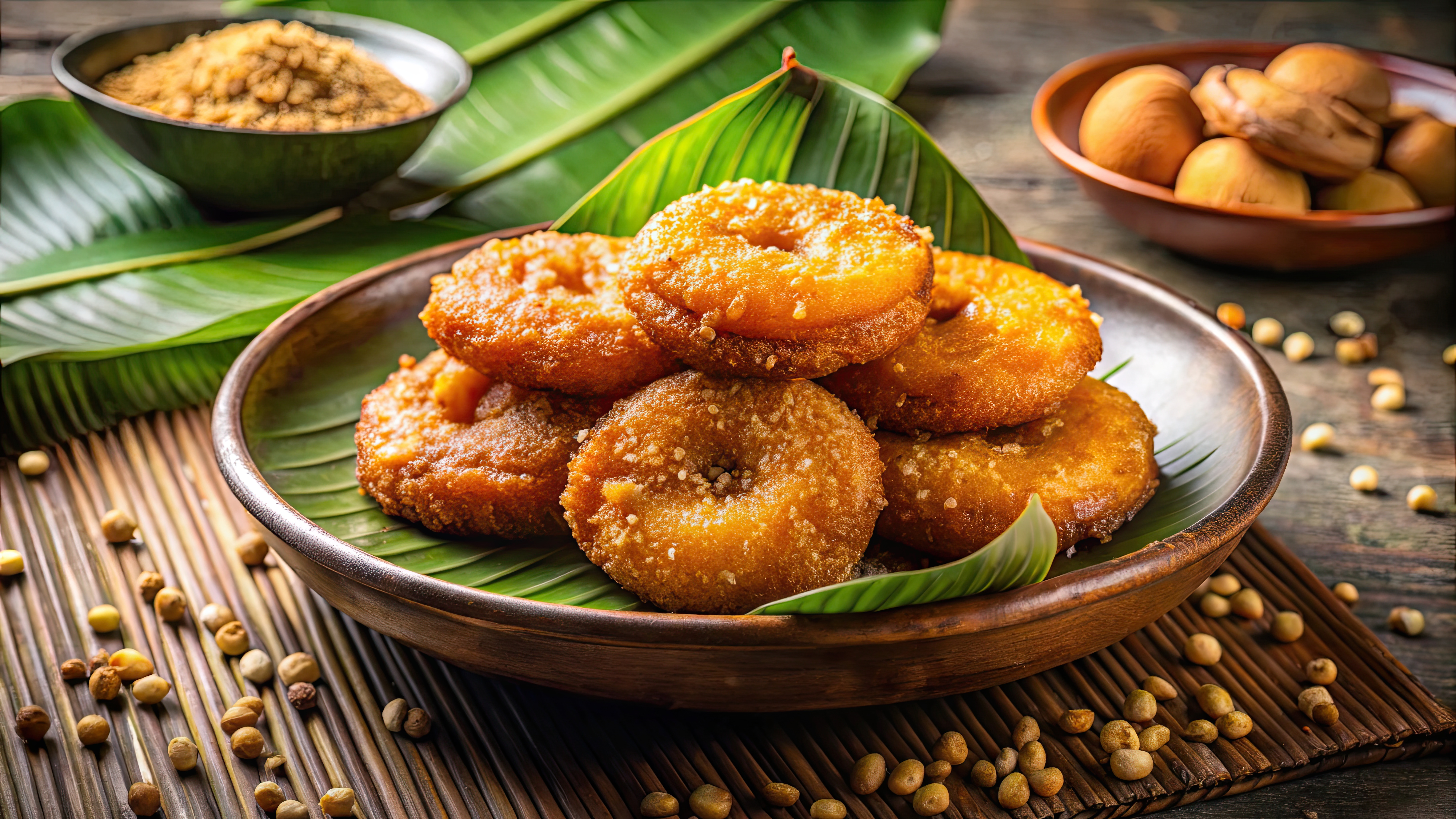
A golden, crisp-edged delight with a soft, chewy centre, Adhirasam is a treasured sweet from Tamil Nadu that dates back to the Chola dynasty. Made with rice flour, jaggery, and a hint of cardamom, this deep-fried delicacy is a staple during Diwali and special occasions.
The dough, aged for a day or two, allows the flavours to deepen, creating a rich caramelised taste with every bite. Beyond its irresistible texture and taste, Adhirasam carries a legacy of temple traditions and home-cooked warmth, making it not just a dessert but a piece of history on a plate.
Soaking time: 5 hours
Prep time: 1 hour 30 mins
Cooking time: 15
Servings: 12 servings approx
Ingredients:
For the Adhirasam dough:
For frying:
Method:
Preparing rice flour:
- Wash and soak the rice. Rinse the raw rice thoroughly and soak it in water for about 4–5 hours. After soaking, drain the water completely.
- Spread the soaked rice on a clean cloth or paper towel and let it dry for a couple of hours. It should be damp but not wet.
- Once the rice is dry, grind it in a wet grinder or food processor into a fine, smooth batter. You can add a little water as needed to help the grinding process.
- After grinding, transfer the rice batter to a bowl.
Preparing the jaggery syrup:
- In a pan, heat the powdered jaggery with 1/4 cup of water. Stir the jaggery until it melts completely, and then let it boil for a minute or two.
- After boiling, strain the jaggery syrup to remove any impurities. 3. Allow the jaggery syrup to cool slightly, but it should still be warm when mixed with the rice flour.
Making the dough:
- Once the jaggery syrup has cooled to a comfortable temperature, slowly add it to the rice flour. Stir constantly to form a smooth, thick dough.
- Add cardamom powder and dry ginger powder to the dough, and mix well. The dough should be soft and sticky, but not runny.
- Let the dough rest for about 2-3 hours at room temperature. This resting time helps the dough develop flavour and texture.
Shaping the Adhirasam:
- Grease your hands with a little ghee or oil to prevent the dough from sticking.
- Take a small portion of the dough and flatten it out on a piece of banana leaf or parchment paper into a disc, similar to a doughnut shape.
- Gently press your thumb in the centre to create a hole, just like a doughnut.
Frying the Adhirasam:
- Heat a pan or deep frying vessel with ghee or oil over medium heat. The oil should be hot but not smoking.
- Gently drop the shaped Adhirasam doughnuts into the hot oil and fry them until they turn golden brown and crisp on both sides. Flip them gently to ensure even frying.
- Once fried, remove the Adhirasam from the oil and place it on a paper towel to drain excess oil.
Serving:
- Let the Adhirasam cool slightly before serving. It will become crisp on the outside and soft on the inside.
- Adhirasam can be enjoyed as a snack or dessert. It’s delicious when served warm.
Tips:
- Ensure the dough is not too soft or watery, as this will affect the shape and texture of the Adhirasam.
- You can store the prepared Adhirasams in an airtight container for up to a week. They stay fresh and tasty when heated slightly before serving.
- You can also try making them with palm jaggery for a slightly different flavour.
4. Kolar Bora: Bengal’s Crispy Banana Delight

Kolar Bora, a beloved Bengali sweet treat, transforms ripe bananas into crispy, golden fritters with the warmth of jaggery and a hint of cardamom. Deep-fried to perfection, these delightful bites are a festive favourite, often enjoyed during Makar Sankranti and special occasions. Rooted in Bengal’s rich culinary heritage, Kolar Bora is more than just a dessert—it’s a nostalgic indulgence that brings the comforting flavours of home with every bite.
Prep time: 15 mins
Cooking time: 15
Servings: 10 servings approx
Ingredients:
Method:
- Peel the bananas and mash them in a bowl using a fork or your hands. Mash them until they form a smooth and slightly chunky mixture.
- In a separate bowl, combine the all-purpose flour, rice flour, cardamom powder, baking soda, salt, and turmeric powder.
- Mix in sugar if your bananas are not very sweet.
- Slowly add the dry mixture to the mashed bananas and stir. Add a small amount of water, if needed, to form a thick batter. The batter should be of dropping consistency.
- Heat enough ghee or oil in a pan or deep frying vessel over medium heat. To test if the oil is ready, drop a small amount of batter into the oil. If it rises to the surface immediately, the oil is ready for frying.
- Take small spoonfuls of the batter and carefully drop them into the hot oil. You can make small round or oval-shaped fritters, depending on your preference.
- Fry the fritters in batches, turning them gently until they are golden brown and crispy on the outside. This usually takes about 3–4 minutes per batch.
- Once fried, remove the fritters from the oil and place them on paper towels to drain any excess oil.
- Serve the Kolar Bora hot, as they are best enjoyed crispy and warm.
Tips:
- The batter should not be too thin, or the fritters will not hold their shape. It should be thick enough to coat the spoon.
- If you want the fritters to be even crispier, you can add an additional tablespoon of rice flour to the batter.
- You can skip sugar if your bananas are naturally sweet. Adjust the sugar according to taste.
Enjoy these delicious Kolar Bora, a crispy, sweet, and comforting treat.
5. Sukhdi: Gujarat’s Wholesome Wheat and Jaggery Treat

A staple in Gujarati households, Sukhdi (also known as Gud Papdi) is a simple and traditional Indian sweet made with jaggery, wheat flour, and ghee. It’s a very popular dessert in Gujarat and other parts of India, especially during festivals and special occasions. It has a deliciously rich, melt-in-the-mouth texture with the sweetness of jaggery and the warmth of ghee.
Prep time: 20 mins
Cooking time: 20 mins
Servings: 15 servings approx
Ingredients:
Method:
- In a small pan, add the jaggery and water and heat on a low flame.
- Stir occasionally until the jaggery melts completely and forms a syrup. Keep the consistency of the syrup thin, not too thick (about 2–3 minutes). Once melted, remove from heat and keep aside.
- In a separate pan, heat the ghee on medium heat.
- Once the ghee is melted and hot, add the wheat flour (atta) and stir continuously to roast it. Roast the flour for about 5–7 minutes, stirring constantly, until it turns golden brown and emits a pleasant
- At this point, you can add cardamom powder and chopped nuts) to the mixture and roast them for another minute.
- Once the wheat flour is roasted, pour the jaggery syrup into the pan with the roasted flour.
- Stir the mixture well to combine the syrup with the flour. The mixture will start to thicken and come together.
- Cook for another 2–3 minutes, stirring constantly until the mixture starts to leave the sides of the pan and becomes a thick dough-like consistency.
- Grease a small tray or plate with ghee. Transfer the mixture to the greased tray and flatten it with a spatula or the back of a spoon to spread it evenly. Let the Sukhdi cool completely. Once cooled, it will set and firm up. If you like, you can garnish it with extra chopped nuts or saffron threads for decoration.
- After the Sukhdi has cooled and set, cut it into squares or diamond-shaped pieces and serve.
Tips:-
- The key to perfect Sukhdi is to roast the wheat flour properly. It should be golden brown, but not burnt, so keep stirring and maintain the right temperature.
If you like this post, a share would be epic!


0 comments on “From Shore to Platter: Iconic Sweets of Coastal India”