

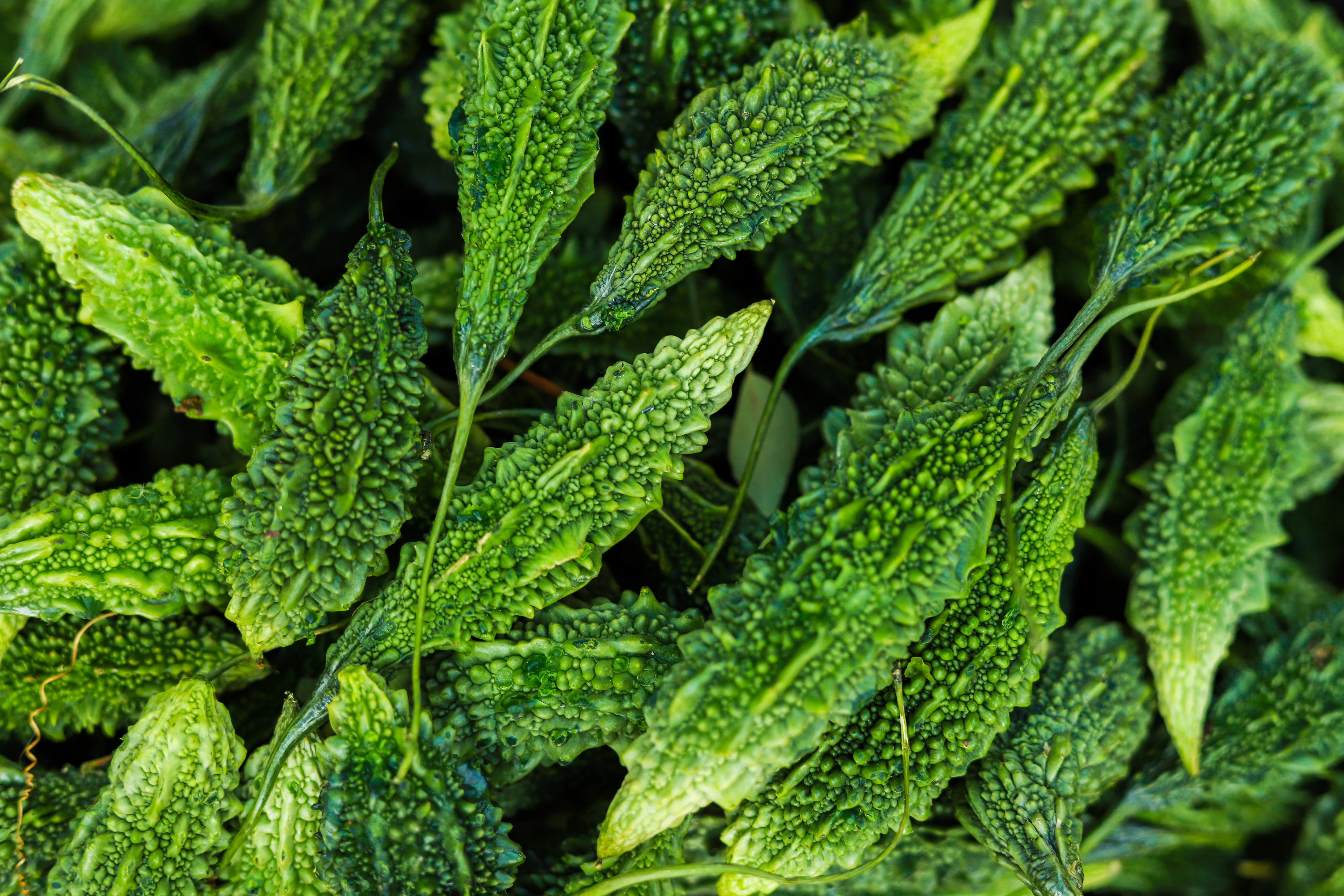
Karela—just the mention of it evokes strong reactions. You either learned to love it or grew up dodging it on your plate. But that bitter bite? It’s no accident. In fact, it’s karela’s most powerful feature—and a masterstroke of nature’s medicinal design.
Let’s dig into the bitterness of this green wonder and discover why grandma was right all along about keeping karela on the menu.
A Taste That Speaks of Healing
The bitterness in karela (bitter gourd) comes from compounds called momordicin and charantin—plant-based chemicals that are tough on the tongue but fantastic for the body. These bitter agents are part of the plant’s defence mechanism in the wild, protecting it from animals and insects. Ironically, it’s the very bitterness that has made karela a go-to remedy in Indian kitchens and Ayurvedic texts for centuries.
Ayurveda’s Bitter Favourite
In Ayurveda, “tikta rasa” (bitter taste) is one of the six essential rasas or tastes that balance the body’s doshas (energies). Bitter foods are believed to have a cooling effect on the body, purifying the blood, improving digestion, and flushing out toxins.
Karela is often recommended for people with pitta or kapha imbalance. It’s considered deepana (stimulates digestion) and pachana (helps assimilation), which is why it’s frequently consumed during the monsoon season—a time when our digestion tends to be sluggish.
Diabetes and Bitter Gourd: A Natural Partnership
The most famous benefit of karela is its role in managing blood sugar levels. Several studies support that compounds like polypeptide-p found in bitter gourd can mimic insulin and help regulate glucose.
It’s why many people still start their mornings with a shot of karela juice—a ritual that may be tough to swallow but could support healthy blood sugar regulation naturally.
Did You Know? Karela Trivia
-
🍃 Karela isn’t actually a vegetable—it’s technically a fruit, belonging to the same family as cucumber and melon.
-
🌏 While we see it across Indian kitchens, karela is also loved in China, Japan, the Philippines, and East Africa—each culture having its own way of balancing that bitterness with spices or fermentation.
-
👵 In many Indian households, dried karela slices are still stored as a “grandmother’s medicine” for fever, indigestion, or skin issues.
How Indians Made Peace with the Bitterness
Indian cuisine has found clever ways to make karela palatable. From stuffing it with spiced masalas in bharwan karela, to shallow-frying it with jaggery and tamarind in khatta-meetha karela, we’ve used flavour layering to balance bitterness.
In fact, many people develop a taste for it with age—perhaps when the wisdom of health finally catches up with the palate.
Bitter, but Better for You
Why did nature make karela bitter? Because sometimes, medicine doesn’t come sugar-coated. That intensity is what makes it so effective:
-
Boosts liver function
-
Promotes healthy skin
-
Supports digestion
-
Helps reduce bad cholesterol
-
Aids weight management
Not bad for something most of us tried to hide under our rice as kids.
Tips to Tame the Bitterness
If you’re still not a fan of the bitterness, here are a few ways to reduce it without losing the benefits:
-
Salt treatment: Slice and sprinkle salt over karela, let it sit for 15–20 minutes, and squeeze out the water.
-
Pair with souring agents: Tamarind, amchur, or lemon juice balance the taste beautifully.
-
Stuff it: A spicy filling inside the karela offsets bitterness and adds texture.
-
Deep fry or roast: Crisping up karela reduces its bitter edge while keeping its goodness intact.
-
Juice with add-ons: Blend karela juice with cucumber or apple to make it more palatable.
From Bitter Bite to Better Health
Today, as more people turn toward mindful eating and natural remedies, karela is slowly shedding its “yuck” tag. Modern science is only validating what traditional Indian knowledge already knew: bitterness can be a blessing in disguise.
So the next time you find karela in your basket, don’t skip it. Cook it, juice it, dry it—but most importantly, respect what it brings to the table. Because in a world of processed sweetness, karela’s bitter truth might just be your body’s best friend.
0 comments on “Why Is Karela Bitter? Nature’s Way of Medicine”