In every Indian kitchen, a curry simmers with purpose—steeped in spices, history, and a strong sense of place. From the mustard-laced gravies of Bengal to the creamy, aromatic delights of Punjab, each region has mastered its own take on this beloved dish. What unites them is not a single recipe, but the sheer diversity of flavours, techniques, and ingredients that reflect local culture and climate. This article explores iconic regional curries—recipes that have stood the test of time and continue to bring warmth to the plate and pride to the palate.
1. Malvani Kaju Usal 🌴🥥

A coastal gem from Maharashtra’s Malvan region, Kaju Usal is where crunch meets creaminess in the most unexpected way. Cashews take centre stage in this bold yet comforting curry, simmered in a fiery coconut-based masala infused with the signature Malvani spice blend. Traditionally served with vade or rice, this dish is a festive favourite that brings richness without meat, making it a standout in coastal vegetarian fare.
Prep time: 20 mins | Cook time: 20 mins | Servings: 4
| Ingredients |
|
| Method |
- Soak half a cup of cashew nuts in water and boil them for 15 minutes
- In a pan, heat 1 tablespoon of oil. Add chopped onions and chopped garlic, and saute them until golden brown and remove to a plate.
- Roast the coconut and then add ginger, red chillies and poppy seeds. Saute for 2 minutes.
- Switch off the flame and keep the above mixture for cooling. When cooled, grind the mixture into a smooth paste.
- In the same pan, add oil, and once the oil is hot, add bay leaf and peppercorns. Add the coconut onion mixture and saute for 2-3 minutes.
- Add the soaked cashew nuts and malvani masala, and let it boil for 5 minutes. Turn off the flame and garnish with coriander and serve.
|
2. Rajasthani Laal Maas 🌶️🍖

Bold, fiery, and unapologetically rustic—Laal Maas is a meat-lover’s dream born in the royal kitchens of Rajasthan. Traditionally made with mutton and the intense heat of Mathania red chillies, this curry was once prepared for kings returning from hunts. Unlike creamy northern gravies, Laal Maas is defined by its smoky flavour, minimal ingredients, and deep red colour that comes not from tomatoes, but from a blend of chillies and slow cooking. It’s not just a dish—it’s an experience, best savoured with bajra roti or plain rice.
Prep time: 45 mins | Marination time: 4 hrs | Cook time: 60 mins | Servings: 2
| For Marination |
|
| For Gravy |
|
| Method |
- In a large pan, heat ghee, add cloves, black peppercorns, green cardamom, black cardamom and let the spices get aromatic on low to medium heat.
- Add onions and sauté till they get a light brown colour. Add the marinated mutton and sauté for 4-5 minutes.
- Add chilli paste and saute well for another 8-10 minutes to remove the rawness of the chillies. Add turmeric powder. Add salt to taste and mix well. Cover and let it cook for 10-12 minutes on a low flame.
- In a bowl, add curd, coriander powder, red chilli powder, cumin powder, mustard oil and mix well.
- Transfer the curd mixture into the pot and stir well. Cover with the lid and cook for 30 minutes on a low flame till the mutton becomes tender.
- Garnish with coriander leaves and serve hot with bajra roti.
|
3. Gongura Chicken Curry 🪴🌶️

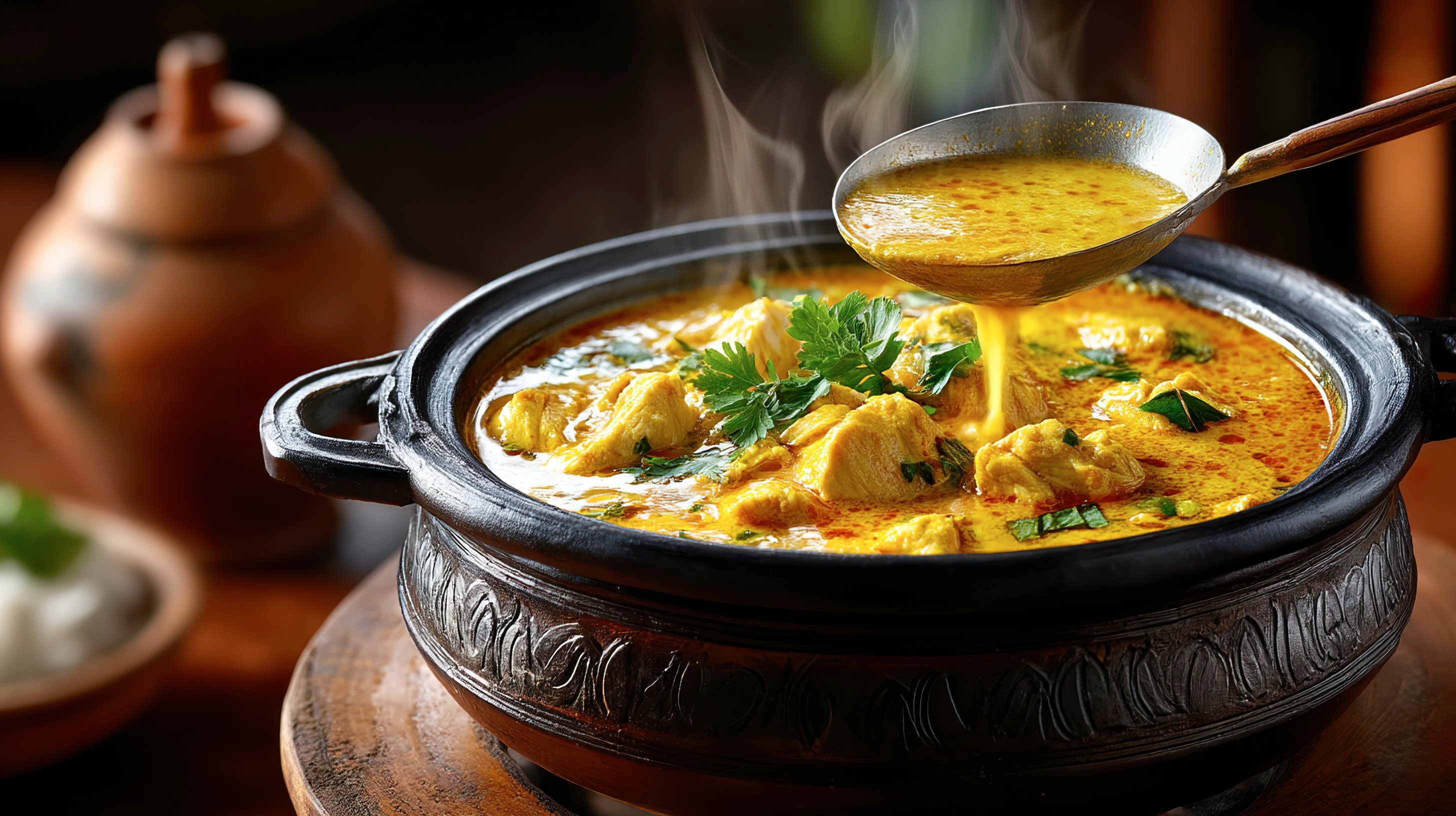
Unapologetically tangy and deeply spiced, Gongura Chicken Curry brings the bold spirit of Andhra cuisine to your plate. The sour punch of gongura leaves—sautéed and simmered into a thick, aromatic gravy—wraps around succulent pieces of chicken, creating a dish that’s both comforting and electric. Pair it with hot rice for a soulful, spice-kissed meal that lingers long after the last bite.
Prep time: 15 mins | Marination time: 30 mins | Cook time: 15 mins | Servings: 3
| Main Ingredients |
|
| Whole Spices |
|
| Marination |
|
| Method |
- Marinate chicken with ginger, garlic, turmeric, red chilli powder and salt and set aside.
- Dry roast the poppy seeds until crunchy and fragrant.
- Powder them in a blender and then add a little water to make a fine paste.
- Clean the gongura leaves and wash them several times. Drain and set aside.
- Saute the leaves in 1 teaspoon of oil along with green chillies. When the leaves wilt, turn off the heat.
- Cool and blend coarsely. Check the sourness of the blended gongura leaves and add them to the chicken, as it may vary. If too sour, add extra chillies to balance the sourness.
- Saute cumin, cloves, cinnamon and cardamoms in hot oil in a pan. Add curry leaves and onions and saute until golden brown. Add ginger garlic paste and fry until the raw smell goes off.
- Add chicken and garam masala. Fry on medium-high heat until the chicken turns white in colour
- Pour enough water to cover the chicken. Cover and cook till the chicken is tender and soft. Add poppy seed paste and gongura paste.
- Mix well and cook for about 4 minutes until thickened to the desired consistency.
- Check the salt and adjust accordingly.
- Serve gongura chicken curry with rice, ghee and sliced onions.
|
4. Aloo Jhol 🥔🍅

Simple, soul-warming, and packed with nostalgia, Aloo Jhol is a beloved potato curry from the heart of Uttar Pradesh and Bengal. This thin, spiced gravy made with everyday ingredients like tomatoes, ginger, and whole spices turns humble potatoes into something deeply comforting. Often served with plain rice or puris, it’s the kind of dish that reminds you how flavour doesn’t need frills—just warmth and tradition.
Prep time: 10 mins | Cook time: 25 mins | Servings: 2
| Ingredients |
|
| Method |
- Crush the ginger, chillies and some salt in a mortar and pestle and keep aside.
- In a cooker, add mustard oil, heat until it smokes. Add cumin seeds, fennel seeds and roast until fragrant. Add asafoetida and the paste of ginger and green chillies, and reduce the heat.
- Add turmeric powder, red chilli powder, coriander powder and fry for a minute.
- Add washed and chopped tomatoes and saute until fragrant. Add the peeled and cubed potatoes and mix well.
- Add water, salt and sugar and mix well. Close the cooker lid and wait for 2 whistles. Remove from the stove and let it cool.
- Open the lid of the cooker when cooled and mash the potatoes roughly with a masher, and boil without the lid for a minute.
- Add ghee and garnish with coriander leaves.
|
5. Dim Bhapa 🥚🍚

A steamed egg curry straight from the kitchens of Bengal, Dim Bhapa blends mustard, poppy seeds, and coconut into a rich, pungent paste that clings lovingly to boiled duck eggs. Slow-cooked over gentle steam, this dish preserves the integrity of its bold flavours without overwhelming the palate. Served best with hot rice, Dim Bhapa is a perfect showcase of how Bengali cuisine turns simplicity into sophistication.
Prep time: 10 mins | Cook time: 20 mins | Servings: 3
| Ingredients |
|
| Method |
- Hard-boil duck eggs and remove the skin when done.
- Soak the mustard seeds in warm water along with 1/2 tsp salt for 15 minutes.
- Soak poppy seeds in warm water separately.
- Take a deep-bottomed pan and boil 3 cups of water
- Make a paste of the mustard with 2 green chillies
- Strain the mixture and discard the husk.
- Make a paste of the poppy seeds.
- Grind the coconut gratings to a fine paste.
- In a container, take the mustard paste along with poppy seed paste, coconut paste, yoghurt, turmeric powder, red chilli powder and salt. Add 2 tablespoons of mustard oil and mix to make a smooth paste.
- Add slit green chillies and 1 cup water to make the paste runny.
- Prick the boiled eggs with a fork, cut them in half and add the boiled eggs so the gravy covers the eggs. Place a lid over the container and place the container over a stand in a large pan with at least 1/3 of water so that the water covers halfway up the container.
- Cover the pan with a lid and cook over slow heat for 20 minutes. Switch off the flame and wait for at least 20-30 minutes to open and handle the container.
- Top up with 1 tablespoon mustard oil and give it a thorough mix.
- Serve with hot steamed rice.
|
Each dish captures the spirit of its land—coastal, royal, rustic, or bold—and tells a story through spice, texture, and tradition. From tangy to comforting, rich to fiery, every curry speaks its own language, rooted in the soil it comes from. All it takes is a pot, a little patience, and a love for deep, layered flavour. Ready to explore India—not by map, but by masala?
You may also like:
Exploring Regional Foods and Their Local Specialties
If you like this post, a share would be epic!


I’m impressed with the depth of information in this post.
Could Big Basket publish Recipe Books based on Reader’s submission? Would love to keep copies.